


Encourage Bushy Form
Pinch or lightly tip-prune new soft growth in late spring to encourage branching and a denser shrub rather than a tall, sparse plant when growing Rose Cactus.

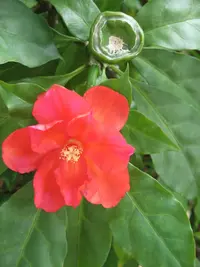
Rose cactus, Leuenbergeria bleo, is a shrubby, tree-like cactus with thorny stems and glossy, oval leaves. It produces bright orange to red, rose-like flowers that stand out against the foliage.
This species is native to tropical regions of Central and South America, where it grows in warm, humid, and often partially shaded habitats. It is less drought-tolerant than many desert cacti and prefers slightly moist, well-drained soil.
Once its needs are understood, it is moderately easy to care for Rose Cactus, as long as it is protected from cold and given stable indoor or greenhouse conditions.

Care Difficulty
Moderate Care

Light Preference
Full Sun

Water Requirements
Moderate Water

Temperature Preference
Tropical / Frost Sensitive

Hardiness Zone
10–12

Soil Texture
Sandy, Loamy, Organic-rich

Soil pH
Acidic (5.5–6.5), Slightly acidic (6.5–7.0)

Soil Drainage
Well-drained

Fertilization
Minimal (feed rarely)
Scan your plant to receive care tips personalized for your specific plant
Available on iOS and Android
Leuenbergeria bleo prefers bright outdoor exposure with some protection from harsh midday sun.
Leuenbergeria bleo needs thorough but infrequent watering that allows the soil to dry slightly between soakings.
This species grows best in consistently warm, frost-free conditions.
This semi-arid shrub prefers relatively dry air but benefits from moderate humidity stability.
Leuenbergeria bleo needs sharply draining, mineral-rich soil to avoid root rot.
This species adapts well to container growing when the pot setup prevents waterlogging and supports its shrubby form.
Leuenbergeria bleo benefits from light, balanced feeding during its active growing season in warm months.
Pruning Leuenbergeria bleo is useful for controlling size, encouraging branching, and removing weak growth.
Leuenbergeria bleo grown in containers needs infrequent but careful repotting to maintain root health.
Leuenbergeria bleo is commonly propagated from semi-hardwood stem cuttings or seeds in warm conditions.
Leuenbergeria bleo is frost-sensitive and needs protection in regions with cool or freezing winters.

Plant Health Check
Not sure what's wrong with your plant? Check your plant's health inside the app.
This species belongs to one of the most basal lineages of the cactus family, retaining leaves and a tree-like growth form that resemble early stages in cactus evolution before full desert adaptation.
Mature stems develop a smooth, often gray-green to brown bark that contrasts with the thick, bright green younger shoots, giving older plants a distinctive layered appearance in shrub or small-tree form.
The fleshy orange to reddish fruits are eaten by birds in its native range, which then disperse the small seeds through their droppings, helping maintain wild populations in disturbed tropical habitats.

This species naturally grows as a spiny, many-branched shrub or small tree up to several meters tall in humid lowland tropical forests, which is unusual for a cactus family member typically associated with arid environments.
Lack of blooms usually comes from insufficient light, nutrient-poor or very old soil, or irregular feeding. Mature plants flower best with strong warmth, steady conditions, and a light, balanced fertilizer during the active growing season.
Keep your plants happy and healthy with plant identification, disease detection, and easy care guidance.

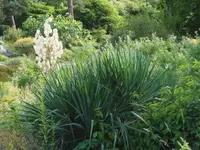
Spanish dagger
Yucca gloriosa
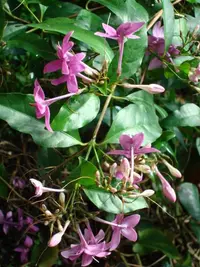
Shooting star
Pseuderanthemum laxiflorum
 POPULAR
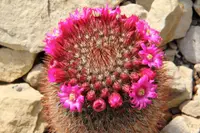
Spiny pincushion cactus
Mammillaria spinosissima

Philodendron
Philodendron 'Jose Buono'
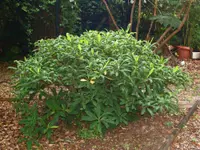
Oriental paperbush
Edgeworthia chrysantha
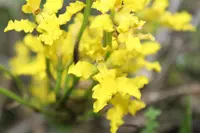
Cyrtochilum revolutum
Cyrtochilum revolutum
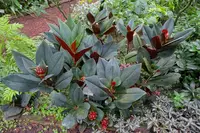
Costus erythrophyllus
Costus erythrophyllus
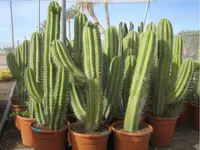
Chichituna
Polaskia chichipe