BotaN logo

Parallel Peperomia Care (Peperomia tetragona)

Parallel Peperomia

About Parallel Peperomia

Parallel peperomia, Peperomia tetragona, is a compact tropical understory plant grown mainly for its patterned foliage rather than flowers. It forms low, bushy clumps or softly trailing stems that suit desks, shelves, and small spaces.

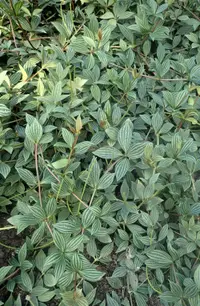
The plant has narrow, olive to gray-green leaves with distinct pale veins running lengthwise, giving a striped, parallel look. Stems are often reddish, which adds contrast.

P. tetragona comes from warm, shaded habitats in South America, so it prefers bright, indirect light, moderate moisture, and a well-drained potting mix. Its slow to moderate growth and relatively forgiving nature make it suitable for indoor growers who want to learn how to care for Parallel Peperomia without high maintenance demands.

Main Plant Requirements

Care Difficulty

Easy Care

Light Preference

Bright Indirect Light

Water Requirements

Moderate Water

Temperature Preference

Tropical / Frost Sensitive

Hardiness Zone

11–12

Soil Texture

Loamy, Sandy, Organic-rich

Soil pH

Acidic (5.5–6.5), Slightly acidic (6.5–7.0)

Soil Drainage

Well-drained

Fertilization

Light (every 4–6 weeks)

Get Personalized Care Plan

Scan your plant to receive care tips personalized for your specific plant

Available on iOS and Android

How to Care for the Parallel Peperomia

Peperomia tetragona prefers bright, indirect light that mimics dappled forest shade.

  • Provide 6–8 hours of bright, filtered light each day, such as near an east or bright north-facing window, as ideal Parallel Peperomia indoor care.
  • Tolerates light partial shade, but in low light the stems may stretch and leaf striping fades; move gradually closer to a brighter spot if growth becomes leggy.
  • Avoid harsh midday or strong afternoon sun, which can cause pale patches or brown scorch spots; in summer, shift slightly farther from south or west windows.

Peperomia tetragona prefers light, even moisture with time to dry slightly between waterings.

  • Water when the top 2–3 cm of soil feel dry, using your finger to check; in typical indoor conditions this often means every 7–14 days rather than on a fixed schedule.
  • Use a very well-draining mix and a pot with drainage holes so excess water exits quickly, helping prevent root rot and mushy, translucent leaves from overwatering.
  • In winter, extend drying time and reduce volume; slight leaf curl or limp, thin leaves signal underwatering, while yellowing and leaf drop from the base suggest excess moisture.

This species prefers stable, warm conditions similar to many tropical understory plants.

  • Aim for 65–80°F (18–27°C) for active growth; moderate, steady warmth supports compact stems and good leaf color.
  • Avoid temperatures below 55°F (13°C); brief drops near this range can stunt growth, and any frost will severely damage or kill foliage.
  • In summer, protect from hot drafts or locations above 86°F (30°C); provide airflow and shade from intense sun to limit heat stress and wilting.

This species handles typical indoor humidity but performs best with slightly moist air.

  • Aim for 40–60% humidity for Parallel Peperomia to keep foliage firm and growth steady.
  • Brown, crisp leaf edges or leaf drop in warm, dry rooms indicate humidity stress rather than underwatering.
  • Increase humidity by grouping plants, placing the pot on a pebble tray with water below the base, or using a small room humidifier.

Peperomia tetragona grows best in a loose, airy mix that drains quickly yet holds light moisture.

  • Use a peat- or coco-based potting mix amended with 30–50% perlite or pumice for strong drainage and aeration.
  • Incorporate a small amount of fine bark or coco chips to create a chunky structure that prevents compaction around the roots.
  • Aim for slightly acidic to neutral pH, around 6.0–7.0, which suits most general houseplant mixes without special adjustment.
  • Avoid heavy garden soil or high-clay mixes that stay wet, as these promote root rot and reduce oxygen around the roots.

This species is well suited to container growing due to its compact, shallow root system.

  • Choose a wide, shallow pot to accommodate its spreading growth pattern while avoiding unused, constantly wet lower soil layers.
  • Select terracotta or another porous material if the mix stays damp longer than 3–4 days, as it allows faster evaporation from the root zone.
  • Ensure drainage holes stay clear and elevate the pot slightly so water exits fully instead of pooling under the container base.

Peperomia tetragona is a light feeder that benefits from modest, consistent nutrition during active growth.

  • Use a balanced liquid fertilizer (such as 10-10-10 or 20-20-20) diluted to 1/4–1/2 strength for caring for Parallel Peperomia.
  • Feed every 4–6 weeks in spring and summer when growth is active.
  • Skip compost-heavy mixes; instead, use a well-draining potting medium with occasional slow-release pellets if desired.
  • Stop feeding in late fall and winter to avoid soft, weak growth in low light.

Peperomia tetragona responds well to light pruning that maintains a compact, bushy form.

  • Best time is late winter to early spring, just before new growth starts.
  • Use clean, sharp scissors or small pruning shears to remove dead, yellowing, or damaged stems and leaves.
  • Pinch or cut back leggy or crowded stems above a node to encourage branching and denser growth.
  • Take small stem tips during pruning to use as cuttings for new plants if desired.

This compact species prefers a slightly snug pot and only occasional repotting.

  • Check for roots circling the pot, pushing through drainage holes, or for unexplained slow growth as signs it needs more space.
  • Plan to repot every 2–3 years in spring, moving to a container only 2–3 cm wider with drainage holes.
  • Gently loosen circling roots and shake off some old mix, keeping the root ball mostly intact to limit shock.
  • Water lightly after repotting, keep in bright indirect light, and avoid heavy feeding for 3–4 weeks while roots re-establish.

Peperomia tetragona is commonly propagated from stem cuttings under warm, humid conditions.

  • Take 5–8 cm stem cuttings with at least 2–3 nodes in spring or early summer.
  • Remove lower leaves and place cuttings in moist, airy mix or perlite, keeping one node buried.
  • Maintain 70–80°F, high humidity, and bright, indirect light to encourage rooting.
  • Cover loosely with a clear dome or bag for moisture, then acclimate gradually once new growth appears.

Peperomia tetragona is a tropical, frost-sensitive plant that needs indoor protection in cold climates.

  • Move outdoor containers indoors before temperatures drop below 55°F, keeping them away from drafts.
  • Maintain indoor temperatures around 65–75°F with stable, bright, indirect light.
  • Water less often in winter, letting the top of the mix dry more deeply between waterings to prevent root rot.
  • Avoid placing the plant directly above heaters or on cold windowsills to reduce temperature stress.

Care Tips

Encourage Compact Growth

Rotate the pot 90° every 1–2 weeks and lightly pinch back overly long stems to keep the plant dense and prevent lopsided, sprawling growth.

Use Low, Wide Pots

Plant in a shallow, wide container so the naturally shallow root system can spread horizontally, which improves stability and reduces the risk of the plant toppling as stems lengthen.

Support Trailing Stems

If stems become long, guide them onto a small trellis or over the rim of a hanging pot to prevent breakage at the base and to display the striped foliage more evenly.

Monitor Leaf Texture

Use leaf firmness as a quick health check; slightly soft, wrinkling leaves often signal early root or moisture stress, so inspect roots and substrate rather than increasing water blindly.

Quarantine New Arrivals

Keep new plants isolated for 2–3 weeks and inspect the undersides of leaves and stem joints for mealybugs or spider mites before positioning them near an established collection when caring for Parallel Peperomia.

Common Pests and Diseases

Mealybugs

This pest appears as white, cottony clusters in leaf axils, on stems, and sometimes on roots, feeding on sap and weakening the plant over time.

Solution

Isolate the plant, then dab visible insects with cotton swabs dipped in 70% isopropyl alcohol and gently wipe affected areas; repeat weekly until gone. For heavier infestations, rinse foliage with lukewarm water and use a neem oil or insecticidal soap spray labeled for indoor plants, ensuring good coverage of leaf undersides while improving light and airflow to reduce reinfestation risk.

Spider mites

These insects cause fine stippling on the patterned leaves, leading to dull, dusty-looking foliage and fine webbing, especially in warm, dry indoor air.

Solution

Increase humidity around the plant, then rinse both sides of the leaves under a gentle lukewarm shower or tap to dislodge mites. Follow with repeated applications of insecticidal soap or neem oil every 5–7 days, paying attention to leaf undersides, until new growth appears clean and undamaged.

Fungus gnats

This pest is attracted to consistently moist, peat-based mixes, with adults flying around the pot and larvae feeding on organic matter and fine feeder roots in the topsoil.

Solution

Allow the top 2–3 cm of the potting mix to dry between waterings, use a well-draining mix, and remove any decaying plant material from the soil surface. Place yellow sticky traps to catch adults and, if needed, apply a biological control such as Bacillus thuringiensis israelensis (BTI) as a soil drench according to label directions to reduce larvae populations.

Edema

This physiological disorder develops when roots absorb more water than leaves can transpire, causing small corky or blister-like spots, often on the undersides of the leaves.

Solution

Reduce watering frequency so the top layer of soil dries slightly between waterings, and avoid keeping the plant in low light with very wet soil. Improve air circulation and provide stable indoor temperatures (about 65–80°F) to prevent further stress; affected spots will not heal but new growth should emerge normal once conditions are corrected.

Bacterial leaf spot

This disease produces small, water-soaked or translucent spots that may turn brown and irregular, sometimes surrounded by a yellow halo on the thin, patterned leaves.

Solution

Promptly remove and discard infected leaves, avoid overhead watering, and keep foliage as dry as possible while improving airflow around the plant. Disinfect pruning tools with 70% isopropyl alcohol between cuts and adjust watering so the plant is moist but never saturated; in severe or spreading cases, discarding the plant may be necessary to protect nearby specimens and to maintain good Peperomia tetragona plant care standards.

Interesting Facts

Native understory creeper

In the wild, this species grows as a low, creeping understory plant in tropical forests of South America, often rooting along stems as it spreads across decaying wood or leaf litter.

True parallel venation

Its distinctive striped leaves show nearly perfectly parallel veins, a relatively unusual pattern in the genus that inspired both the common name parallel peperomia and the species name tetragona, referring to its angular, four-sided stems.

Semi-succulent storage leaves

The slightly thick, fleshy leaves act as small water-storage organs, giving the plant higher drought tolerance than many other tropical understory species of similar size.

FAQs about Parallel Peperomia

Brown leaf edges usually come from underwatering, very low humidity, or exposure to hot, direct sun. Uniform brown patches can indicate root issues, often from past overwatering. Trim damaged leaves and correct watering and light conditions.

Grow Healthy Plants with Botan Care

Keep your plants happy and healthy with plant identification, disease detection, and easy care guidance.

Botan plant care app — identify plants on mobile

Explore More Plants