Cleistocactus baumannii Care

Cleistocactus baumannii

About Cleistocactus baumannii

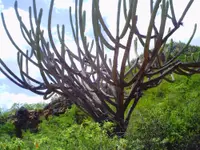
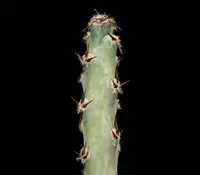
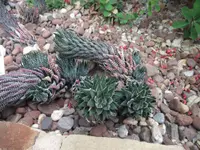
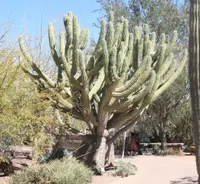
Cleistocactus baumannii is a columnar cactus known for its tall, narrow stems lined with many short, bristly spines. It typically grows in clumps, forming a striking vertical accent in containers or arid gardens.

This species is native to dry regions of South America, where it thrives in strong sun and rocky, fast-draining soils. Its adaptation to drought and poor soils makes it relatively straightforward to care for Cleistocactus baumannii, provided excess moisture is avoided.

It suits growers who prefer a low-maintenance cactus that stays fairly slender rather than wide and sprawling. In cultivation, it does best with bright light, minimal watering, and a gritty cactus mix that dries quickly between waterings.

Main Plant Requirements

Care Difficulty

Easy Care

Light Preference

Full Sun

Water Requirements

Low Water

Temperature Preference

Warm Climate

Hardiness Zone

9–11

Soil Texture

Sandy, Loamy, Rocky

Soil pH

Slightly acidic (6.5–7.0), Neutral (7.0)

Soil Drainage

Well-drained

Fertilization

Minimal (feed rarely)

Get Personalized Care Plan

Scan your plant to receive care tips personalized for your specific plant

Available on iOS and Android

How to Care for the Cleistocactus baumannii

This cactus needs strong light but benefits from some protection from intense afternoon sun.

  • Outdoors, aim for 6–8 hours of direct sun, ideally with morning sun and light afternoon shade in very hot, dry climates.
  • Cleistocactus baumannii tolerates bright partial shade, but stems may stretch and lose density if it receives less than 4–5 hours of direct light.
  • In summer, slowly acclimate plants moved from shade to full sun over 10–14 days to prevent epidermal scorching and pale, corky patches.

This species prefers infrequent, deep watering with thorough drying between soakings.

  • Water only when the top 3–5 cm of soil are completely dry; in hot active growth this may be every 7–14 days, in cooler weather much less often.
  • Use a very fast-draining mineral-rich mix; standing water or heavy clay soil leads to root rot, yellowing stems, and a sour smell from the pot or bed.
  • Reduce watering sharply in winter, giving just enough to prevent shriveling; pronounced softness, blackening at the base, or sudden leaning usually indicates overwatering damage.

Stable warm conditions support compact growth and flowering in this cactus.

  • Ideal growing temperatures are 70–85°F (21–29°C) by day and 55–70°F (13–21°C) at night, with good air movement in hotter weather.
  • It tolerates brief drops to about 25–28°F (-4 to -2°C) if perfectly dry, but repeated frost or wet cold quickly damages tissues and roots.
  • For strong flowering, provide a cool, dry rest in winter around 45–55°F (7–13°C), while protecting from freezing winds and prolonged damp conditions.

This cactus tolerates a wide humidity range and rarely needs special humidity management indoors.

  • Aim for 20–50% humidity, similar to typical heated or air-conditioned homes.
  • Dry air is usually harmless; stress shows more from overwatering than from low humidity.
  • If air is extremely dry and hot, increase humidity slightly by grouping plants away from direct heat vents.

Use a very fast-draining, mineral-based mix that mimics arid, rocky habitats.

  • Choose a sandy or gritty structure with large pores so water drains within minutes, not hours.
  • Combine roughly 40% cactus potting mix with 60% mineral material such as pumice, coarse perlite, and 2–4 mm grit or coarse sand.
  • Keep pH slightly acidic to neutral, around 6.0–7.0, which most commercial cactus mixes already provide.
  • Avoid peat-heavy, compacted, or water-retentive mixes that stay wet, as these quickly lead to root and stem rot in Cleistocactus baumannii.

This species is well suited to container growing due to its narrow, upright stems and modest root system.

  • Select a pot just 2–4 cm wider than the root ball to prevent excess wet substrate around the roots.
  • Choose a deep, heavy container or add top dressing gravel to counterbalance tall, columnar stems and reduce tipping risk.
  • Ensure drainage holes are fully open and keep the pot slightly elevated so water can exit quickly and not pool under the base.

This cactus needs modest feeding to support steady, compact growth in containers.

  • Use a balanced cactus fertilizer or low-nitrogen liquid (around 5-10-10), diluted to 25–50% strength.
  • Feed Cleistocactus baumannii every 4–6 weeks during the warm growing season, after watering the soil lightly first.
  • Stop feeding in late fall and through winter when growth slows and the plant rests.
  • Avoid rich compost or heavy slow-release fertilizers that keep soil wet or encourage soft, weak tissue.

Pruning is minimal and mainly focused on health and safety rather than shaping this columnar cactus.

  • Best time for any pruning is late spring to early summer, when growth is active and wounds seal faster.
  • Remove only dead, shriveled, or clearly damaged stems at the base using clean, sharp pruning shears.
  • Cut crossing or severely crowded stems if they trap moisture or risk breakage, but maintain the natural clumping form.
  • Wear thick gloves and use tongs or folded newspaper to handle Cleistocactus baumannii safely while cutting.

Repotting is infrequent and aimed at preventing root binding and exhausted soil in this slow to moderate grower.

  • Repot every 3–4 years, or when roots circle the pot, emerge from drainage holes, or growth becomes noticeably slower.
  • Choose late spring as the best time, using a slightly larger pot and a very free-draining cactus mix.
  • Handle the root ball gently, loosening only lightly; remove old, soggy soil without tearing healthy roots.
  • After repotting Cleistocactus baumannii, keep it dry for 5–7 days, then resume light watering to limit root stress and rot.

Propagation is typically done from stem cuttings, with seeds used more for larger-scale growing.

  • Take 8–15 cm stem cuttings in late spring or early summer from firm, disease-free columns.
  • Let cut surfaces dry and callus for 5–10 days in a bright, airy place before planting.
  • Insert cuttings into barely moist, sterile cactus mix and keep at 70–80°F in bright, indirect light.
  • For seeds, sow on the surface of fine, gritty mix, keep slightly moist, warm, and covered until germination.

Winter care focuses on keeping this frost-sensitive cactus cool, bright, and dry.

  • Move containers indoors before temperatures drop below 40°F, using the brightest window available.
  • Maintain a cool rest period around 45–55°F with good air circulation and very sparse watering.
  • Keep Cleistocactus baumannii completely dry if temperatures approach near-freezing conditions to reduce rot risk.
  • Outdoors in mild climates, plant in sharply drained soil and mulch lightly around, but not touching, the crown.

Care Tips

Stabilize Tall Stems

Anchor tall columns with discreet gravel mounds or small rock supports at the base so the plant does not rock in the pot and damage fine feeder roots as it elongates.

Rotate For Even Spines

Quarter-turn the pot every 2–3 weeks during active growth so all sides receive similar light, which encourages uniform spine density and prevents lopsided leaning.

Winter Rest Setup

From late fall, move the plant to the brightest, coolest indoor spot that stays dry and around 45–55°F to promote a proper dormancy period and more reliable flowering the following season.

Dust-Free Areoles

Use a soft, dry paintbrush to gently remove dust and cobwebs from the stems and areoles once or twice a year to maintain efficient photosynthesis and allow early detection of pests.

Repot With Gloves

When caring for Cleistocactus baumannii during repotting, use thick gloves, folded newspaper bands, or foam pipe insulation around the stems to handle the plant securely without breaking spines or bruising tissue.

Common Pests and Diseases

Spider mites

This pest thrives on thin, cylindrical stems in warm, dry air and feeds by sucking sap, leading to a dull, speckled surface and fine webbing between spines.

Solution

Increase humidity slightly around the plant without overwatering, then rinse stems thoroughly under a gentle stream of lukewarm water and allow to dry in bright airflow; if mites persist, apply a targeted miticide or insecticidal soap labeled for cacti, repeating treatments according to label directions while isolating the plant from others.

Mealybugs

These insects hide in the spine clusters and stem ribs, appearing as cottony white masses and causing slow growth and occasional stem yellowing or shriveling.

Solution

Isolate the cactus, remove visible insects with cotton swabs dipped in 70% isopropyl alcohol, then treat the whole plant with insecticidal soap or a systemic insecticide suitable for succulents, repeating every 7–10 days until no new mealybugs appear.

Scale insects

This pest appears as small, hard, brown or gray bumps on stems, often near the base or in sheltered rib sections, and can cause localized yellow patches and weakened growth.

Solution

Gently scrape or lift off individual scales with a soft tool or cotton swab dipped in alcohol, then apply horticultural oil or insecticidal soap, ensuring good coverage around spine clusters; repeat treatments several times and keep the plant in bright, dry, well-ventilated conditions to support recovery.

Fungal stem spots

This disease produces small, sunken, brown or dark spots on the green stems, often following minor mechanical damage or prolonged surface moisture.

Solution

Improve airflow and reduce overhead watering so stems dry quickly, then remove or cut out severely affected sections with a sterile blade; dust fresh cuts with a dry fungicidal powder or sulfur and maintain the plant in bright, low-humidity conditions, as recommended in standard Cleistocactus baumannii care instructions.

Soft bacterial rot

Symptoms include sudden soft, water-soaked, foul-smelling areas on the stem, usually starting from a wound or water accumulation point and spreading rapidly in warm conditions.

Solution

Isolate the plant at once, cut out all affected tissue well into healthy, firm stem with a sterile knife, and allow the wound to dry and callus in a warm, airy, shaded spot; if rot is extensive, salvage only healthy stem tips as cuttings, rooting them in sterile, fast-draining cactus mix and avoiding any moisture on the stem surface during healing.

Interesting Facts

Flowering from closed buds

The tubular flowers of this species open only slightly at the tip and remain mostly closed, an adaptation that protects pollen from rain and intense sun while still allowing pollinators such as hummingbirds to access nectar with their long beaks.

Adapted to summer rain

Native populations occur in regions of Argentina and Bolivia that receive most rainfall in the warm season, so the cactus is physiologically adapted to grow during wetter summers rather than during cool, dry winters.

Columnar clustering habit

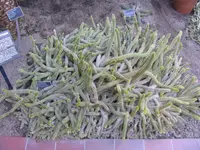
Over time this cactus forms dense clumps of upright, pencil‑thick stems, each typically 1–2 m tall in habitat, which helps stabilize the plant on rocky slopes and maximizes light capture without shading neighboring stems excessively.

Botan icon

Did you know?

In habitat this species often grows on steep, rocky Andean foothills where temperature and moisture can fluctuate rapidly over a single day, yet its thick, water‑storing tissues and dense spines allow it to maintain internal water balance and avoid sun damage in these highly exposed microclimates.

FAQs about Cleistocactus baumannii

Growth is generally slow to moderate. In good conditions, stems may extend about 5–10 cm per year, sometimes a bit more outdoors in warm, dry climates. Young plants establish slowly, then elongation gradually increases as the root system develops.

Grow Healthy Plants with Botan Care

Keep your plants happy and healthy with plant identification, disease detection, and easy care guidance.

Botan plant care app — identify plants on mobile

Explore More Plants