gearstem cactus Care (Peniocereus striatus)

Also known as: Dahlia-Root Cereus
gearstem cactus

About gearstem cactus

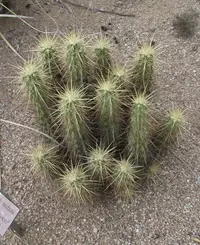
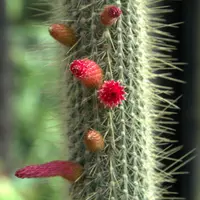
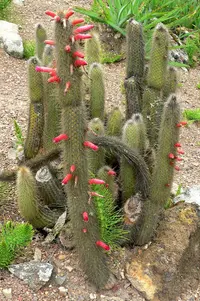
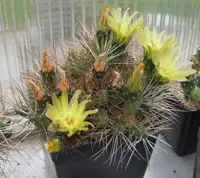
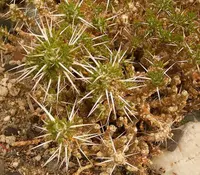
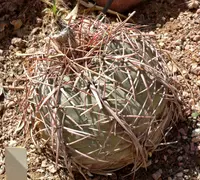
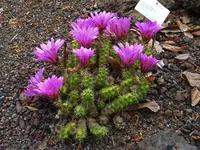
The gearstem cactus, Peniocereus striatus, is a desert cactus with thin, woody stems that blend into surrounding shrubs and scrub. It stays mostly inconspicuous until it flowers. At maturity, it forms a loose, shrubby tangle with narrow, ridged stems and a large underground root that stores water. Night-blooming flowers and later red, scaly fruits are its main ornamental features. This species is native to arid regions of the Sonoran and Chihuahuan deserts in Mexico and the southwestern United States. It can be challenging for beginners, as it dislikes overwatering, needs strong light, and rests for part of the year. Those looking to learn how to care for gearstem cactus should be prepared for a slow, seasonal growth pattern in gritty, fast-draining soil.

Main Plant Requirements

Care Difficulty

Hard Care

Light Preference

Full Sun

Water Requirements

Low Water

Temperature Preference

Tropical / Frost Sensitive

Hardiness Zone

9–11

Soil Texture

Sandy, Rocky, Loamy

Soil pH

Slightly acidic (6.5–7.0), Neutral (7.0)

Soil Drainage

Well-drained

Fertilization

Minimal (feed rarely)

Get Personalized Care Plan

Scan your plant to receive care tips personalized for your specific plant

Available on iOS and Android

How to Care for the gearstem cactus

This desert cactus prefers bright, indirect light with some direct sun, adjusted to local heat intensity.

  • Provide 4–6 hours of morning sun or late-afternoon sun; protect from harsh midday sun in hot, arid regions to prevent stem scorch.
  • Tolerates light, shifting partial shade, especially under open shrubs or trees, but very dense shade causes thin, weak growth and poor flowering in gearstem cactus.
  • Outdoors, gradually increase sun exposure in spring; indoors, place near an east or bright south-facing window with thin curtain filtering if light is intense.

Watering for this species should mimic desert rainfall: deep, infrequent, and only in fast-draining soil.

  • During active growth in warm months, water only when the top 3–5 cm of soil are completely dry, then soak thoroughly and let excess drain away.
  • In winter or cool periods, reduce watering sharply; if soil stays cool and damp for more than 3–4 days, wait until it is fully dry before watering again.
  • Overwatering shows as soft, yellowing, or collapsing stems, while severe wrinkling or shrinking tuber roots indicate the need for a deep drink and better moisture monitoring.

This cactus thrives in warm, arid conditions and is sensitive to cold and frost.

  • Optimal growth occurs around 70–90°F (21–32°C), with warm days and slightly cooler nights, similar to desert climates.
  • Protect Peniocereus striatus from temperatures below 40°F (4°C); brief light chills may be tolerated, but frost and freezing quickly damage stems and roots.
  • In strong heat above 100°F (38°C), ensure some afternoon shade and good air movement so tissue does not overheat, especially in containers or against reflective walls.

Humidity is a minor factor for this desert cactus and typical indoor levels are acceptable.

This cactus needs a very fast-draining, mineral-rich mix that mimics arid desert soils.

  • Use a gritty mix of 50–70% inorganic material such as pumice, coarse sand, or small gravel with the rest cactus potting mix.
  • Aim for slightly acidic to neutral pH around 6.0–7.0, avoiding strongly acidic or alkaline substrates that restrict nutrient uptake.
  • Ensure the mix crumbles easily in the hand; any clumping or water-holding peat should be moderated with extra mineral grit for aeration.
  • For Peniocereus striatus grown long term, avoid fine composts that break down quickly and instead favor stable, chunky materials that keep air at the roots.

This species is suitable for container growing when the pot is chosen to support its deep, tuberous root system.

  • Select a tall, relatively narrow pot that allows vertical root development without leaving a large volume of unused, constantly wet mix at the bottom.
  • Choose unglazed clay if extra evaporation is needed, or a thicker-walled container in hot climates to buffer root temperature swings.
  • Place the pot in a stable position or use a heavier base so the slender stems cannot tip the container in strong wind or when the plant leans toward light.

This desert cactus needs only light feeding to support healthy tuber and stem growth.

  • Use a low-strength balanced liquid fertilizer (around 10-10-10) diluted to 25–50% during active growth in late spring and summer.
  • Apply every 4–6 weeks during the growing season to container plants; in-ground plants often need no feeding.
  • Avoid high-nitrogen products, which can cause weak, overly lush stems in gearstem cactus.
  • Stop fertilizing in fall and winter when growth slows and the plant is semi-dormant.

Peniocereus striatus needs minimal pruning, mainly to maintain health and safe structure.

  • Prune in late winter or early spring before strong new growth begins.
  • Remove dead, shriveled, frost-damaged, or broken stems with clean, sharp pruners.
  • Thin out badly crossing or crowded stems to improve light penetration and airflow.
  • Limit cuts to small sections so flowering and the plant’s natural, vining habit are not reduced.

This cactus prefers infrequent disturbance, so repot or transplant only when clearly necessary.

  • Check for roots circling the pot, pushing through drainage holes, or very slow growth as signs it needs attention.
  • Plan repotting or transplanting in late spring, every 3–5 years for containers or only when garden plants are clearly crowded.
  • Use a slightly larger pot with very fast-draining cactus mix and handle the thick storage root gently.
  • Water lightly after moving to reduce root stress, then resume normal watering once new growth resumes.

Peniocereus striatus is usually propagated from stem cuttings, though seeds are also possible for patient growers.

  • Take semi-firm stem cuttings in late spring or early summer, then air-dry until a callus forms over the cut end.
  • Root cuttings in a sterile, gritty cactus mix with bright, indirect light and temperatures around 70–80°F.
  • Keep the medium just barely moist, allowing it to dry between light waterings to avoid rot.
  • Sow seeds on the surface of well-draining mix, maintain gentle warmth, and expect slow, uneven germination.

This cactus is frost sensitive and needs thoughtful winter management in most cooler regions.

  • Avoid temperatures below about 35–40°F, especially for young or potted plants.
  • Move container plants indoors or into an unheated but frost-free space with bright light.
  • Keep soil almost dry in winter, watering sparingly to prevent tuber shriveling.
  • In mild climates, provide a gravel mulch to insulate the root zone and improve drainage.

Care Tips

Support vining stems

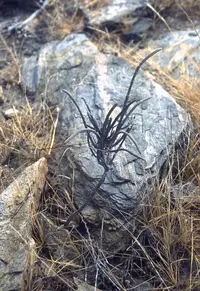
Provide a low trellis, wire ring, or rocky support for the scrambling stems so they can rest and spread without kinking or snapping at the base.

Encourage summer growth

At the start of warm weather, lightly top-dress the pot with fresh gritty mix and rotate it a quarter-turn every 2–3 weeks to promote even stem development and balanced new growth.

Monitor night activity

During summer, briefly check the plant after dusk once a week to spot flower buds and night-blooming flowers early, which helps time any planned hand-pollination or photography without disturbing the plant during the day.

Hand-pollinate flowers

If blooms appear and natural pollinators are absent indoors, use a small, dry paintbrush to transfer pollen between flowers in the same evening to improve fruit set while caring for gearstem cactus.

Adjust winter rest

In late autumn, move the plant to the brightest, coolest dry spot available and avoid repotting or disturbing the roots until days lengthen again, which supports a strong restart of growth the following spring.

Common Pests and Diseases

Cochineal scale

This pest forms white, cottony clusters on stems and can weaken the thin, ribbed cactus tissue by sucking plant sap. Symptoms include sticky residue and gradual yellowing or shriveling of affected segments.

Solution

Remove visible clusters with a cotton swab dipped in 70% isopropyl alcohol, then rinse the stems gently with water once they dry. Improve air circulation, keep the plant in bright, dry conditions, and repeat spot treatments weekly until no new colonies appear.

Spider mites

These insects thrive on thin, drought-stressed stems and cause fine stippling, dulling of stem color, and sometimes fine webbing between ribs or joints. This pest is more common in hot, very dry indoor air or in sheltered, windless outdoor sites.

Solution

Shower the plant with a firm but gentle stream of water to remove mites and webs, then increase humidity slightly around the plant while keeping the soil dry. If populations persist, apply a horticultural soap or neem oil spray to all stem surfaces every 5–7 days for several cycles, avoiding application in direct sun.

Soft scale

This pest appears as smooth, tan to brown bumps along stems that do not rub off easily and exudes honeydew that can encourage sooty mold. Symptoms include localized yellowing and a general decline in vigor if infestations are heavy.

Solution

Manually remove scales with a gloved hand, soft brush, or cotton swab dipped in 70% isopropyl alcohol, taking care not to bruise the stems. After mechanical removal, apply an insecticidal soap or light horticultural oil, repeating after 7–10 days to target newly emerged crawlers.

Bacterial stem rot

This disease affects the thin, water-storing stems, causing soft, water-soaked, foul-smelling lesions that rapidly collapse the affected section. Symptoms include discoloration from green to brown or black and sometimes oozing tissue at the infection site, often after overwatering, mechanical damage, or prolonged rain.

Solution

Cut out all affected tissue well into healthy, firm stem with a sterile knife and discard infected material, then allow the cut to dry and callus in a warm, airy place. Reduce watering, keep the plant in a bright, dry exposure, and avoid wounding stems to limit new infection sites, as there is no reliable chemical cure once rot is advanced.

Fungal stem spot

This disease produces small, sunken, corky or dark lesions on the thin stems, sometimes coalescing into larger patches that distort growth. Symptoms include slow expansion of spots, often following cool, damp periods or poor air movement around the plant.

Solution

Prune out and discard stems with extensive spotting using sterile tools, then move the plant to a brighter, drier, well-ventilated location. Water at the base, keep stems dry, and apply a sulfur-based or copper-based fungicide labeled for cacti if new spots continue to appear, following label directions carefully for Peniocereus striatus care.

Interesting Facts

Night-blooming fragrance

This species opens its pale tubular flowers after dark and produces a strong, sweet scent that attracts nocturnal pollinators such as moths.

Cryptic desert stems

The thin, angled stems are gray-green and often blend into surrounding shrubs, which helps conceal the plant from herbivores in its native Sonoran and Chihuahuan deserts.

Large underground tuber

It stores water and nutrients in a substantial underground tuber, allowing the inconspicuous stems to survive long dry periods and resprout after drought or damage.

Botan icon

Did you know?

The species is considered rare in parts of its native range and is sometimes used as an indicator of relatively undisturbed desert habitat, since it tends to persist where natural plant communities are still intact.

FAQs about gearstem cactus

This species usually needs to be several years old, well established in its tuberous root, and exposed to strong seasonal light and warmth before flowering. Night-blooming habits mean flowers may be missed if checked only during daytime.

Grow Healthy Plants with Botan Care

Keep your plants happy and healthy with plant identification, disease detection, and easy care guidance.

Botan plant care app — identify plants on mobile

Explore More Plants