

Rocky mound planting
Plant on a slight gravel mound or raised rock bed so water drains away from the crown, which reduces the risk of rot in wet seasons.

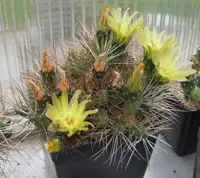
Maihueniopsis glomerata is a low-growing South American cactus that forms dense, cushion-like mounds of small, jointed segments. The pads are dotted with tufts of spines that protect the plant and give it a textured, compact look.
In nature it occurs in dry, high-altitude areas of Chile and Argentina, adapted to strong sun, poor rocky soils, and large temperature swings. These traits make it drought tolerant but sensitive to long periods of moisture around the roots.
For most growers, the main challenges are avoiding overwatering and providing enough light and airflow. Understanding these needs is the key to how to care for Maihueniopsis glomerata at home.

Care Difficulty
Moderate Care

Light Preference
Full Sun

Water Requirements
Low Water

Temperature Preference
Cold Hardy

Hardiness Zone
6–9

Soil Texture
Sandy, Loamy, Rocky

Soil pH
Slightly acidic (6.5–7.0), Slightly alkaline (7.0–7.5)

Soil Drainage
Well-drained

Fertilization
Minimal (feed rarely)
Scan your plant to receive care tips personalized for your specific plant
Available on iOS and Android
This compact Andean cactus thrives in strong light that mimics high-elevation sun exposure.
This species is highly drought-tolerant and must dry well between waterings to prevent root problems.
This cushion-forming cactus handles wide temperature swings but still benefits from defined limits.
This cactus prefers very dry air and usually does best at 20–40% humidity.
Maihueniopsis glomerata needs very lean, fast-draining, mineral-rich soil to prevent root rot.
This species is suitable for container growing, especially in regions with cold or wet winters.
This high-altitude cactus needs only light, infrequent feeding in cultivation.
Pruning needs are minimal and mainly focused on health and safety.
This compact cactus prefers stability and is repotted or transplanted only when necessary.
Propagation is usually done from offsets or seeds under warm, bright, and dry conditions.
This species is quite cold hardy but still benefits from thoughtful winter care in wet or extreme climates.

Plant Health Check
Not sure what's wrong with your plant? Check your plant's health inside the app.
This species naturally forms low, dense cushions or mats on exposed slopes of the central Andes, an architecture that reduces heat loss and wind damage in its cold, high-elevation habitat.
Its small globular stem segments detach easily and root where they land, a clonal reproduction strategy that helps it spread across rocky, unstable substrates.
Unlike many lowland cacti, this species tolerates regular frosts and occasional light snow in the wild, reflecting its adaptation to high-altitude conditions with strong temperature swings.
This species performs best outdoors in a sunny, very well-drained, rocky spot. Indoors it often receives too little light and stays weak. Maihueniopsis glomerata indoor care is possible under strong grow lights and with very fast-draining substrate.
Keep your plants happy and healthy with plant identification, disease detection, and easy care guidance.

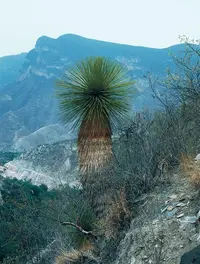
Queretaro yucca
Yucca queretaroensis
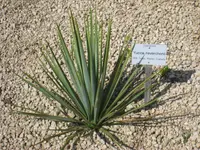
San Angelo yucca
Yucca reverchonii
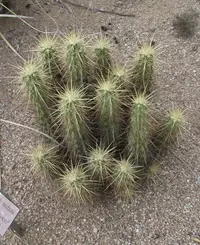
Nichol's hedgehog cactus
Echinocereus nicholii
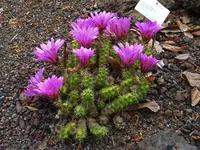
Berlandier's hedgehog cactus
Echinocereus berlandieri
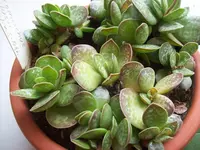
Nenta Adromischus
Adromischus caryophyllaceus
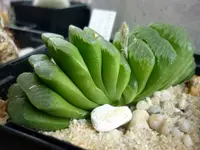
Horse's Teeth
Haworthia truncata
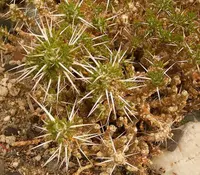
Chupasanngre
Maihuenia patagonica
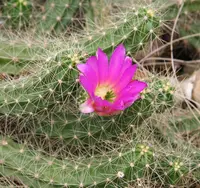
Echinocereus cinerascens
Echinocereus cinerascens