San Angelo yucca Care (Yucca reverchonii)

Also known as: Plateau Yucca
San Angelo yucca

About San Angelo yucca

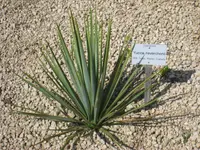
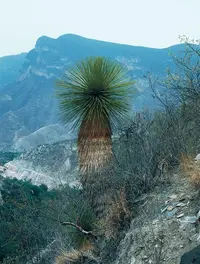
San Angelo yucca (Yucca reverchonii) is a compact, trunkless yucca known for its dense rosettes of stiff, narrow blue-green leaves. It stays relatively low to the ground and forms tidy clumps over time.

This species is native to rocky limestone hills and dry grasslands in Texas and northern Mexico, where it experiences intense sun, heat, and periodic drought. Its tough leaves and deep roots give it high drought tolerance and make it suitable for dry gardens and containers.

These traits generally make it a low-maintenance plant, as long as drainage is excellent and watering is not excessive. Understanding how to care for San Angelo yucca mainly involves providing strong light, lean soil, and avoiding constant moisture around the roots.

Main Plant Requirements

Care Difficulty

Easy Care

Light Preference

Full Sun

Water Requirements

Low Water

Temperature Preference

Cold Hardy

Hardiness Zone

6–9

Soil Texture

Sandy, Loamy, Rocky

Soil pH

Slightly acidic (6.5–7.0), Slightly alkaline (7.0–7.5)

Soil Drainage

Well-drained

Fertilization

Minimal (feed rarely)

Get Personalized Care Plan

Scan your plant to receive care tips personalized for your specific plant

Available on iOS and Android

How to Care for the San Angelo yucca

Yucca reverchonii thrives in bright, open sites with strong sun exposure.

  • Provide 6–10 hours of direct sun daily; full sun is ideal in most climates, especially for San Angelo yucca in arid regions.
  • Allow light afternoon shade in very hot areas to reduce leaf scorch, especially on young or recently transplanted plants.
  • In cooler seasons, ensure plants are not shaded by buildings or taller shrubs, as prolonged low light produces elongated, weaker leaves.

Yucca reverchonii is a drought-adapted species that prefers infrequent, deep watering.

  • Water only when the top 5–8 cm of soil is completely dry; in most dry climates this may mean every few weeks, not days.
  • Use very fast-draining, sandy or gravelly soil so water does not pool around the crown or roots, which encourages rot and leaf yellowing.
  • In hot summer periods, slightly more frequent deep watering can prevent leaf tip browning, while winter watering should be minimal in the ground.

This species is adapted to hot summers and cool, dry winters with occasional cold snaps.

  • Optimal growth occurs around 70–90°F (21–32°C), with the plant handling lower growth activity when temperatures drop outside this range.
  • Mature plants tolerate short dips to about 0–10°F (-18 to -12°C) if soil is very well drained, but prolonged wet cold increases rot risk.
  • High heat above 100°F (38°C) is usually tolerated if the roots are established and the soil does not stay waterlogged.

This species tolerates a wide humidity range and rarely needs special humidity management indoors.

  • Maintain 30–50% humidity, typical of heated or air-conditioned homes, without extra humidifiers.
  • Dry indoor air is usually safe; leaf tips may brown slightly but the plant rarely suffers serious damage.
  • If air is extremely dry and leaf tips crisp, group plants together or place San Angelo yucca on a pebble tray away from direct drafts.

Yucca reverchonii prefers very fast-draining, mineral-rich soil that mimics rocky native habitats.

  • Use a gritty mix such as 50–70% coarse sand, pumice, or small gravel combined with 30–50% cactus potting mix.
  • Ensure water drains through in seconds rather than minutes; roots should never sit in waterlogged or compacted substrate.
  • Aim for slightly acidic to slightly alkaline pH, around 6.0–7.8, which most cactus/succulent mixes already provide.
  • Avoid heavy clay, peat-heavy, or fine organic mixes; if existing soil holds water, amend heavily with coarse mineral grit to improve aeration.

This species adapts well to container growing when the pot is prepared for its deep, drought-tolerant root system.

  • Choose a heavy, stable pot that resists tipping, since the stiff leaves and trunk make the plant top-heavy in wind.
  • Select a deep container rather than a shallow one to give the taproot and main roots vertical room without circling tightly.
  • Use a potting mix that exits drainage holes almost immediately after watering so the container soil never remains saturated.

This drought-adapted species, often called San Angelo yucca, needs only light, infrequent feeding in containers or very poor soil.

  • Use a balanced, slow-release fertilizer or diluted liquid feed (around 1/4–1/2 strength).
  • Apply once in late spring and again mid-summer during active growth, if growth appears weak.
  • Avoid feeding in fall and winter to prevent soft, frost-susceptible growth.
  • Do not fertilize newly transplanted plants until they show clear new growth.

Yucca reverchonii needs only minimal pruning to stay tidy and healthy.

  • Best time is late winter to early spring, before strong new growth begins.
  • Remove dead, damaged, or diseased leaves and spent flower stalks with clean, sharp pruners.
  • Thin crowded rosettes slightly to maintain airflow and a neat, open clump shape.
  • Avoid cutting into the main stem; focus on leaf bases and old inflorescences instead.

This species is usually grown in the ground, so focus on transplanting rather than frequent repotting.

  • Transplant in late spring when soil is warming and frost risk has passed, to reduce shock.
  • Choose a very well-drained, gritty site and plant at the same depth, keeping the crown slightly elevated.
  • For container plants, consider shifting to a larger pot only every 3–4 years, when roots circle the pot or growth slows.
  • Water lightly after moving to settle soil around roots, then allow soil to dry between waterings to limit rot.

Yucca reverchonii is most commonly propagated from offsets, with seeds used mainly for larger-scale or breeding work.

  • Detach well-formed offsets in late spring, keeping some roots attached where possible.
  • Let cut or broken surfaces dry and callus 1–2 days in a shaded, airy place before planting.
  • Plant offsets in a sharply drained mix, keep slightly moist, and provide bright light with some protection from harsh midday sun.
  • For seeds, sow in a fast-draining seed mix at 70–80°F and maintain lightly moist, not wet, conditions until germination.

This species is fairly cold hardy and usually needs little winter care in most mild to moderate climates.

  • Mature plants typically tolerate light to moderate frost if soil drainage is excellent.
  • In colder zones, apply a 5–8 cm mulch around, but not touching, the crown to insulate roots.
  • For container plants, move pots to a bright, cool, sheltered spot such as an unheated garage or porch.
  • Brush off heavy snow or ice from leaves to reduce breakage and crown damage.

Care Tips

Gravel Crown Mulch

Keep a 5–10 cm wide ring of coarse gravel or small rocks around the base to protect the crown from rot and splashing soil while still allowing excellent air flow.

Prevent Winter Sogging

In regions with wet winters, slightly mound the planting area or use a raised bed so excess water drains quickly away from the root zone during prolonged rain.

Root-Zone Heat Management

In hot climates, use light-colored gravel or rock around the plant rather than dark stone to reduce soil overheating and limit root stress in midsummer.

Targeted Mealybug Checks

Inspect the tight leaf bases and the center of the rosette every few weeks for mealybugs, and treat early with a cotton swab dipped in 70% isopropyl alcohol before populations build up.

Safe Transplant Timing

Schedule any transplanting or division work for late spring to early summer, when root growth is active and the plant recovers faster from disturbance, which supports more reliable success when growing San Angelo yucca.

Common Pests and Diseases

Yucca moth larvae

This pest lives inside the flowering stalks and can damage developing seeds and tissues. Symptoms include bored holes in flower stalks and frass (sawdust-like droppings).

Solution

Remove and destroy heavily infested flower stalks before larvae mature, and clean up spent inflorescences from around the plant. In ornamental settings where flowering is not essential, cutting off flower stalks soon after bloom reduces larval survival and helps with long-term Yucca reverchonii plant care.

Scale insects

These insects attach to leaves and stems and suck sap, causing yellowing patches, reduced vigor, and sticky honeydew that can attract sooty mold. This pest often appears as small, dome-shaped or flat bumps tightly stuck to the plant surface.

Solution

Physically remove scale by gently scraping with a soft tool or wiping with cotton pads dipped in isopropyl alcohol, focusing on leaf bases and along the midrib. For larger infestations, apply a horticultural oil or insecticidal soap spray, repeating every 7–10 days and improving air movement around the plant.

Yucca weevil

This pest feeds on the crown and lower stem, causing slow decline, collapsed rosettes, and sometimes internal tunneling that is only visible after cutting affected parts. Symptoms include wilting despite adequate water and browning at the plant base.

Solution

At the first sign of crown softening or collapse, cut out and discard affected stems and any grubs found in the tissue, and remove plant debris from the soil surface. Avoid overwatering or heavy mulching at the crown, and use a labeled systemic insecticide drench in high-value landscape plantings where yucca weevils are known to occur.

Leaf spot

This disease causes small brown or tan spots that may merge into larger blotches on older leaves, especially under prolonged humidity or overhead watering. Symptoms include cosmetic damage and premature leaf aging rather than sudden collapse.

Solution

Remove and discard heavily spotted leaves to lower the source of infection, and water at the soil level instead of wetting the foliage. Increase spacing and airflow, and if needed apply a copper-based or other labeled ornamental fungicide during long wet periods, following the product directions carefully.

Crown rot

This disease affects the central growing point at the base of the rosette, leading to soft, mushy tissue, foul odor, and eventual collapse of leaves from the center outward. Symptoms include yellowing lower leaves and a loose or wobbling crown in the soil or gravel bed.

Solution

Cut away and dispose of all softened or discolored tissue, leaving only firm, healthy material, and allow cut surfaces to dry before replanting in very well-drained soil. Prevent recurrence by using a gritty, fast-draining mix, avoiding water sitting in the crown, and elevating the plant slightly above surrounding soil grade, especially in wetter climates when growing San Angelo yucca.

Interesting Facts

Edwards Plateau specialist

This species is naturally restricted to limestone outcrops and thin rocky soils of the Edwards Plateau region of Texas and adjacent northern Mexico, making it a narrow habitat specialist rather than a widespread desert yucca.

Flexible, grasslike leaves

Its leaves are unusually narrow, tough, and often gracefully curved, giving mature clumps a grasslike or fountain-shaped appearance that differs from the rigid, swordlike leaves of many related yuccas.

Trunkless clumping habit

Instead of forming a tall trunk, it usually remains stemless or very short-stemmed and spreads slowly into dense, multi-headed clumps at ground level, providing excellent erosion control on rocky slopes in its native range.

Botan icon

Did you know?

This species is considered of conservation concern in parts of its native range because of its limited distribution on specialized limestone habitats, so responsible collection from the wild is discouraged and nursery-propagated plants are preferred for cultivation.

FAQs about San Angelo yucca

Lack of blooms usually comes from insufficient sun, a plant that is still immature, or stress from recent transplanting. Ensure strong light, avoid high-nitrogen fertilizer, and keep it in the same location for several seasons.

Grow Healthy Plants with Botan Care

Keep your plants happy and healthy with plant identification, disease detection, and easy care guidance.

Botan plant care app — identify plants on mobile

Explore More Plants