Chupasanngre Care (Maihuenia patagonica)

Chupasanngre

About Chupasanngre

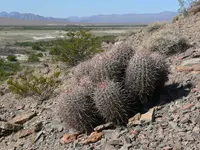
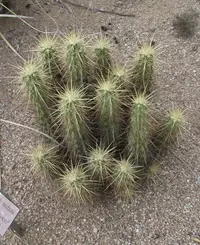
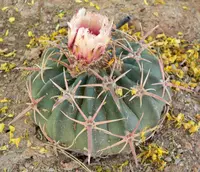
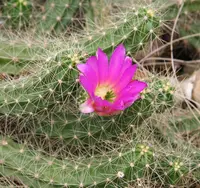
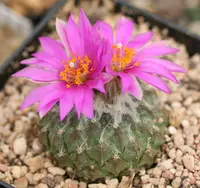
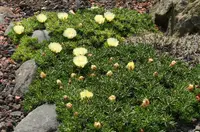
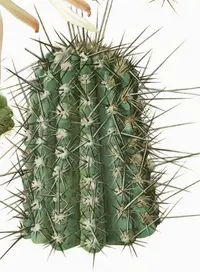
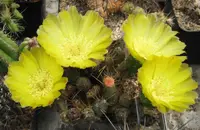
Chupasanngre (Maihuenia patagonica) is a low, cushion-forming cactus from the cold, windy regions of Patagonia in southern Argentina and Chile. It creates dense mats of small, spiny stems with tiny, almost leaf-like pads and bright yellow flowers.

This species is adapted to harsh, exposed sites with strong sun, rocky soils, and significant temperature swings. Its slow growth, need for excellent drainage, and dislike of prolonged humidity make it moderately challenging for beginners.

Those who learn how to care for Chupasanngre find it rewarding for rock gardens, alpine collections, and specialized containers in dry, bright conditions.

Main Plant Requirements

Care Difficulty

Moderate Care

Light Preference

Full Sun

Water Requirements

Low Water

Temperature Preference

Cold Hardy

Hardiness Zone

5–9

Soil Texture

Sandy, Loamy, Rocky

Soil pH

Slightly acidic (6.5–7.0), Neutral (7.0)

Soil Drainage

Well-drained

Fertilization

Minimal (feed rarely)

Get Personalized Care Plan

Scan your plant to receive care tips personalized for your specific plant

Available on iOS and Android

How to Care for the Chupasanngre

Maihuenia patagonica thrives in strong sun but benefits from seasonal light adjustment.

  • Provide 6–10 hours of direct sun daily, with full sun in spring and fall and some light afternoon shade in the hottest summer periods.
  • Site the plant in an open, unobstructed spot; morning sun with slight midday filtering helps protect the small Chupasanngre pads from scorching in very hot climates.
  • In cool or cloudy regions, maximize exposure by avoiding shade from buildings or trees, or growth becomes weak and sparsely branched.

This species prefers sparse, deep watering with very fast-draining soil.

  • Outdoors in the ground, water only when the top 5–8 cm of soil are completely dry, then soak the root zone and let it drain fully.
  • Reduce watering sharply in fall and winter, aiming for just enough moisture to prevent shriveling but avoiding prolonged wet soil around the roots.
  • Watch for yellowing, soft pads and a sour smell as signs of overwatering, while wrinkled, very firm pads indicate the need for a thorough drink for Maihuenia patagonica.

This hardy cactus tolerates wide temperature swings when kept dry and well drained.

  • Aim for active growth in 55–77°F (13–25°C), with slightly cooler nights to mimic its native highland climate.
  • Mature plants tolerate brief drops to about 10–15°F (-12 to -9°C) if soil is dry, but repeated freeze-thaw in wet conditions increases rot risk.
  • In hot summers above 90°F (32°C), provide good airflow and light afternoon shade to limit heat stress, especially in exposed, reflective sites.

This species prefers dry air and rarely suffers from low indoor humidity.

  • Aim for 20–40% humidity, similar to arid indoor conditions or outdoor desert air.
  • Dry, warm air is tolerated; issues arise only if kept in constantly damp, stagnant rooms.
  • High humidity stress shows as soft, waterlogged pads and rot; improve air flow and reduce nearby water trays if this appears.

This cactus requires very fast-draining, mineral-rich soil to prevent root rot.

  • Use a gritty, sandy mix such as 50–70% coarse sand, pumice, or fine gravel with the rest lean cactus substrate.
  • Maintain slightly acidic to neutral pH around 6.0–7.0, avoiding strongly acidic peat-heavy mixes.
  • Improve aeration by adding extra pumice or perlite so water runs through within seconds rather than pooling.
  • Avoid compacted, clay-based, or high-compost soils, which keep roots wet and quickly damage Maihuenia patagonica.

This species can be grown in containers if drainage and root-zone dryness are managed carefully.

  • Choose a wide, shallow pot to match its mat-forming habit and reduce the risk of water collecting at depth.
  • Select unglazed terracotta so moisture evaporates faster through the pot walls, keeping the root zone dry between waterings.
  • Place the container on pot feet or a grit layer so drainage holes never sit in collected runoff, limiting rot risk when caring for Chupasanngre.

Maihuenia patagonica is adapted to nutrient-poor, rocky soils and needs only light feeding in cultivation, so caring for Chupasanngre focuses more on drainage than fertilizer.

  • Use a very dilute balanced fertilizer (around 1/4 strength) or sparse compost in spring as new growth starts.
  • Feed once at the beginning of the growing season; heavy or frequent fertilization can cause weak, elongated growth.
  • Avoid high-nitrogen products; choose low-dose, slow-release options formulated for cacti or succulents if needed.
  • Do not fertilize in fall and winter when growth is minimal, to prevent soft, cold-sensitive tissue.

Maihuenia patagonica needs minimal pruning, mainly to maintain a compact cushion and remove unhealthy segments.

  • Carry out light pruning in late winter or early spring before active growth begins.
  • Use clean, sharp scissors or pruning snips to remove dead, diseased, or damaged pads and stems.
  • Thin congested sections slightly to improve air flow and keep the clump low and dense.
  • Avoid heavy cutting, which can disfigure the plant and expose too much tissue to sun and rot.

This species prefers stable conditions and is slow-growing, so repotting or transplanting should be infrequent and gentle.

  • Check for signs such as roots circling the pot, roots emerging from drainage holes, or noticeably slowed growth.
  • Plan any transplanting for late spring, once frost risk has passed and soil is warming.
  • Expect to repot container plants only every 3–5 years into a slightly larger pot with very free-draining cactus mix.
  • Handle the root ball carefully, keep roots as intact as possible, and water lightly afterward to limit stress and rot.

Propagation of Maihuenia patagonica is possible but slower than many common cacti, relying on both cuttings and seeds.

  • Take short stem cuttings in late spring or early summer, allowing cut surfaces to callus for several days before planting.
  • Root cuttings in a sterile, sharply drained mix under bright light and minimal watering until new growth appears.
  • Sow fresh seed in spring on a gritty, well-drained substrate, barely covering and keeping slightly moist, not wet.
  • Provide cool nights, good air movement, and strong light to prevent damping-off and encourage sturdy young plants.

This hardy cactus tolerates substantial cold when kept dry, but some winter care increases survival in wet or marginal climates.

  • In the ground, ensure sharply drained soil; raised beds or rock gardens help prevent winter rot in freezing, wet conditions.
  • Apply a thin gravel or grit mulch around the base to keep the crown drier and insulate roots slightly.
  • For containers, gradually reduce watering in fall, then keep almost dry through winter in a cold, bright, sheltered spot.
  • Move pots indoors or to an unheated greenhouse where temperatures stay above roughly 15–20°F if prolonged deep freezes are expected.

Care Tips

Rock-mulch layer

Apply a 2–3 cm layer of coarse gravel or small rocks around the base to keep stems dry at the soil line, reduce weed pressure, and mimic the stony habitat this species prefers.

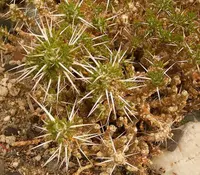
Low-spread training

Gently pin outer pads or stems against flat rocks or the soil surface so they root along their length and form a wider, denser mat that is more cold- and drought-resilient.

Winter rain protection

In regions with wet winters, place a simple clear cover or cold frame over the plant from late fall to early spring to reduce excess moisture and prevent rot while still allowing high light.

Graded drainage bed

Plant on a small raised mound that slopes slightly to one side so water naturally runs off, using extra grit on the upper side and slightly richer mix downslope to support both drainage and slow moisture access.

Targeted pest checks

Inspect the tight interior of the cushion and stem joints every few weeks for scale or mealybugs, using a soft brush and isopropyl alcohol to spot-treat early infestations, which is especially important when growing Chupasanngre in containers.

Common Pests and Diseases

Scale insects

This pest feeds on sap along the segmented stems and joints, often appearing as small dome-shaped bumps. Symptoms include yellowing segments, weak growth, and sticky honeydew on nearby surfaces.

Solution

Physically remove scales with a cotton swab dipped in 70% isopropyl alcohol, repeating weekly until clear, and rinse the plant with a gentle water spray. In outdoor clumps, encourage natural predators like lady beetles and, if needed, use a light horticultural oil spray applied in the cool part of the day, ensuring the soil stays dry and well-drained afterward.

Mealybugs

These insects hide in stem joints and at the base of spines, leaving white, cotton-like masses and causing slow decline of the cushion-like mats. Symptoms include stunted new growth and occasional sooty mold developing on their honeydew deposits.

Solution

Isolate the plant, then dab visible mealybugs with 70% isopropyl alcohol and brush them out of the tight joints with a soft brush. For larger plants in rock gardens, use a targeted insecticidal soap or neem oil spray, applied thoroughly but allowing the pads to dry quickly in bright, airy conditions to prevent secondary fungal problems while following general Maihuenia patagonica care guidelines.

Corky scab lesions

This disease appears as dry, rough, tan to brown patches on older stem segments, often triggered by repeated wetting and minor mechanical damage. Symptoms include cosmetic scarring but usually little impact on overall vigor if the plant stays dry and bright.

Solution

Improve conditions by keeping the plant in full sun with excellent air movement and watering only at the base, allowing stems to dry rapidly after any moisture exposure. Remove severely scarred or cracked segments with a sterile blade to reduce secondary infection sites and avoid overhead watering or prolonged contact with wet mulch or soil.

Botrytis blight

This disease causes soft, water-soaked spots on stems that can develop a gray, fuzzy mold in cool, damp weather. Symptoms include collapsing segments and rapid spread in crowded clumps grown in poorly ventilated or overly shaded conditions.

Solution

Promptly cut away and discard all affected tissue, sterilizing tools between cuts, and reduce ambient humidity by increasing sun exposure and spacing plants for better airflow. Keep the upper stems dry, water in the morning at soil level only, and for valuable specimens in persistent damp conditions, consider a targeted fungicide labeled for ornamental cacti, applied exactly as directed.

Interesting Facts

Relict Patagonian cactus

This species is one of only two in the genus Maihuenia and represents an ancient, evolutionarily distinct cactus lineage native to southern Patagonia’s cold, windy steppe.

True leaf-bearing cactus

Unlike most cacti that have only spines, this species retains small but persistent true leaves along its segmented shoots, reflecting a more ancestral cactus morphology.

Cold-tolerant cushion mats

It forms dense, low cushion mats that help it survive frost, snow cover, and intense winds in high-latitude habitats of Argentina and Chile.

Botan icon

Did you know?

In the wild, this species often grows in extremely shallow, rocky soils where its extensive, fibrous root system exploits narrow crevices, allowing it to persist where many other cacti cannot establish.

FAQs about Chupasanngre

This species performs best outdoors in full sun and open exposure. It tolerates cold, wind, and drought but resents humid, low‑light interiors. Indoors it usually becomes weak and sparse, so outdoor rock garden or xeric beds are preferred.

Grow Healthy Plants with Botan Care

Keep your plants happy and healthy with plant identification, disease detection, and easy care guidance.

Botan plant care app — identify plants on mobile

Explore More Plants