


Rock-mulch bedding
Place a 2–5 cm layer of coarse gravel or small rocks around the pads to insulate the shallow roots, reduce weed pressure, and keep the stem bases dry to prevent rot when growing maihuén in wetter climates.

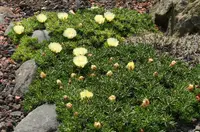
Maihuenia poeppigii, commonly called maihuén, is a low-growing, cushion-forming cactus from the cold, windy Andes of Chile and Argentina. It forms tight mats of small jointed stems covered with short spines and tiny, scale-like leaves.
In spring to summer it produces bright yellow to white cup-shaped flowers that sit close to the cushion surface, followed by small edible fruits. This species is adapted to high light, good air movement, and sharply draining, rocky soils, which can make it challenging in humid or poorly drained sites. With careful attention to drainage and exposure, it is possible to care for maihuén successfully in specialized rock gardens or containers.

Care Difficulty
Moderate Care

Light Preference
Full Sun

Water Requirements
Low Water

Temperature Preference
Cold Hardy

Hardiness Zone
5–9

Soil Texture
Sandy, Rocky, Loamy

Soil pH
Slightly acidic (6.5–7.0), Neutral (7.0)

Soil Drainage
Well-drained

Fertilization
Minimal (feed rarely)
Scan your plant to receive care tips personalized for your specific plant
Available on iOS and Android
This high Andean cactus thrives in strong light and benefits from full sun exposure.
This species needs sparse, careful watering that mimics dry, rocky habitats.
This cold-hardy cactus tolerates wide temperature swings when kept dry and well drained.
This species prefers dry air and does not need elevated humidity.
Maihuenia poeppigii thrives in very fast-draining, mineral, rocky soil that prevents waterlogging.
This species is suitable for container growing, especially in regions with cold or wet winters.
This hardy cactus from poor soils needs only light feeding in cultivation.
Pruning Maihuenia poeppigii is minimal and mainly for health and tidy shape.
This mat-forming cactus is slow-growing and dislikes frequent disturbance.
New plants are most often produced from stem segments rather than seed.
This cactus is notably cold hardy but still benefits from dry, well-drained winter conditions.

Plant Health Check
Not sure what's wrong with your plant? Check your plant's health inside the app.
This species is one of the very few cacti whose photosynthetic organs are small, fleshy leaves rather than flattened pads or cylindrical stems, yet those leaves are still succulent and drought-adapted.
It forms low, dense mats in the cold, windy grasslands of southern Chile and Argentina, tolerating frequent frosts, intense sun, and poor, stony soils where many other cacti cannot survive.
Unlike most desert cacti, it is among the hardiest members of the family and can endure subfreezing temperatures and snow cover for extended periods if the soil drains very well.

This species is one of only two known members of the relict genus Maihuenia, which represents an early-diverging lineage within the cactus family that helps botanists study how modern cacti evolved from leafy, shrub-like ancestors.
This species forms low, slowly widening mats rather than running aggressively. It can gradually cover a rock or gravel area over several years but usually stays well contained and is easy to control with light edging or division.
Keep your plants happy and healthy with plant identification, disease detection, and easy care guidance.

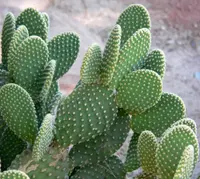
Bunny Ear Cactus
Opuntia microdasys
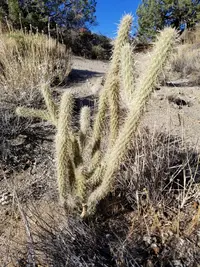
Gander's buckhorn cholla
Cylindropuntia ganderi
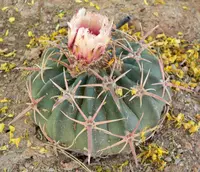
horse crippler
Echinocactus texensis

Prickly pear
Opuntia ficus-indica
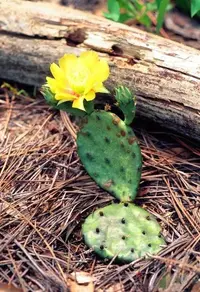
Eastern Prickly Pear
Opuntia humifusa
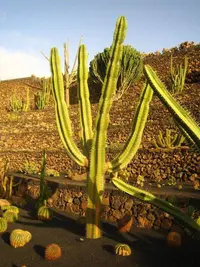
Neoraimondia herzogiana
Neoraimondia herzogiana
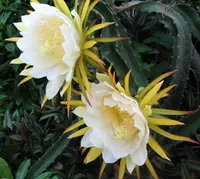
Red-fleshed dragonfruit
Selenicereus costaricensis
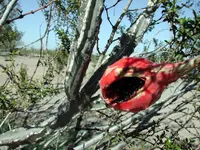
nightblooming cereus
Peniocereus greggii