Neoraimondia herzogiana Care

Neoraimondia herzogiana

About Neoraimondia herzogiana

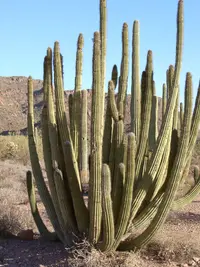
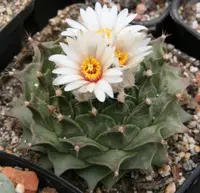
Neoraimondia herzogiana is a large, columnar cactus native to high, arid regions of Bolivia. It forms tall, branching stems covered with prominent ribs and sharp spines. Older plants can become tree-like and may produce white to pale flowers, followed by spiny, edible fruits.

This species is adapted to intense sun, low rainfall, and rocky, fast-draining soils. It grows slowly but is long-lived and structurally stable when given strong light. For anyone learning how to care for Neoraimondia herzogiana, its main requirements are bright exposure, very infrequent watering, and a gritty mineral substrate that prevents waterlogging.

Main Plant Requirements

Care Difficulty

Moderate Care

Light Preference

Full Sun

Water Requirements

Low Water

Temperature Preference

Tropical / Frost Sensitive

Hardiness Zone

10–12

Soil Texture

Sandy, Loamy, Rocky

Soil pH

Slightly acidic (6.5–7.0), Neutral (7.0)

Soil Drainage

Well-drained

Fertilization

Minimal (feed rarely)

Get Personalized Care Plan

Scan your plant to receive care tips personalized for your specific plant

Available on iOS and Android

How to Care for the Neoraimondia herzogiana

This cactus thrives in strong light that mimics high-altitude desert sun.

  • Provide 6–10 hours of direct sun daily, ideally with morning and midday exposure and a little protection from harsh late-afternoon summer sun.
  • Acclimate Neoraimondia herzogiana gradually when moving from shade to full sun to prevent bleaching, corky patches, or sudden yellowing of the epidermis.
  • In very hot climates, use light shade cloth or filtered light in midsummer, but avoid prolonged deep shade, which causes weak, elongated growth and poor spine development.

This species prefers deep but infrequent watering with thorough drying between soakings.

  • Water only when the top 5–8 cm of soil are completely dry; in hot, active growth this may be every 10–21 days, much less often in cool weather.
  • Use very fast-draining, gritty soil; standing water or heavy clay promotes root rot, blackening at the base, and a sour smell from the pot or planting hole.
  • Reduce watering sharply in winter, giving just enough to prevent shriveling; soft, swollen stems indicate excess moisture, while pronounced wrinkling signals it is time to water.

This cactus is adapted to warm, arid climates but dislikes prolonged cold and frost.

  • Aim for 70–90°F (21–32°C) during active growth; short spikes to 100°F (38°C) are tolerated if roots are shaded and soil is not waterlogged.
  • Protect from temperatures below 40°F (4°C); brief, very light frost may be survived when completely dry, but tissue damage and scarring are likely.
  • In regions with winters below 40°F (4°C), shift plants to a dry, cool spot around 45–55°F (7–13°C) to allow safe dormancy and reduce rot risk.

This tall desert cactus tolerates very dry indoor air and does not need elevated humidity.

  • Aim for 20–40% relative humidity, similar to a dry, heated room, to match its native arid habitat.
  • Brown, soft stem spots or unexpected corky patches may indicate prolonged exposure to overly humid, stagnant air.
  • If humidity often exceeds 50%, increase air movement with a small fan and keep some distance from bathrooms or kitchens.

This cactus requires a very fast-draining, mineral-heavy substrate to prevent root and stem rot.

  • Use a mix of 50–70% inorganic material such as coarse sand, pumice, or small grit with 30–50% cactus potting mix for structure and nutrients.
  • Aim for slightly acidic to neutral pH around 6.0–7.0, which supports nutrient uptake without encouraging rot organisms.
  • Improve aeration by including chunky particles (pumice, perlite, or grit 3–6 mm) rather than fine sand that can compact around roots.
  • Avoid dense, peat-heavy, or water-retentive mixes and never allow the pot to stand in water, as Neoraimondia herzogiana is highly sensitive to prolonged saturation.

This species is suitable for container growing if the pot is chosen for both drainage and stability.

  • Select a deep, heavy clay or ceramic pot that resists tipping as the tall column becomes top-heavy over time.
  • Choose a container only 2–4 cm wider than the root zone to reduce excess wet mix that stays damp too long.
  • Cover large drainage holes with mesh or a flat shard to prevent loss of gritty mix while keeping water flow unobstructed.

This cactus needs only light feeding, as Neoraimondia herzogiana is adapted to low-nutrient, arid soils.

  • Use a low-strength, balanced cactus fertilizer (for example 5-5-5) diluted to 25–50% of label rate.
  • Feed once every 4–6 weeks during the warm, active growing season only.
  • Avoid compost-rich mixes that hold excess moisture and can cause root rot.
  • Stop fertilizing in late fall and winter when growth slows or stops.

Pruning needs are minimal, focusing on safety and plant health for Neoraimondia herzogiana.

  • Carry out any pruning in late spring or early summer when conditions are warm and dry.
  • Remove only dead, shriveled, diseased, or mechanically damaged stems using clean, sharp pruning tools.
  • Limit cuts to small sections to avoid disfiguring the columnar shape and stressing the plant.
  • Wear thick gloves and use tongs or folded newspaper to handle spiny stems safely.

This slow-growing cactus prefers infrequent disturbance, so transplant Neoraimondia herzogiana only when clearly rootbound.

  • Check for roots circling the pot, pushing through drainage holes, or noticeably slowed top growth as signs it needs repotting.
  • Plan repotting for late spring, using a dry, fast-draining cactus mix and a pot only 2–5 cm wider.
  • Keep roots as intact as possible, remove only rotten tissue, and allow roots to dry briefly before replanting.
  • After repotting, wait 7–10 days before the first light watering to reduce rot risk and transplant shock.

Propagation of Neoraimondia herzogiana is usually done by seeds or stem cuttings under warm, dry conditions.

  • Sow fresh seeds in late spring in a sterile, gritty mix, keeping temperatures around 70–80°F with bright, indirect light.
  • Maintain slight, even moisture for germination, then reduce watering once seedlings develop spines.
  • For cuttings, take healthy stem segments in warm weather, then air-dry until a firm callus forms.
  • Plant callused cuttings in barely moist cactus mix and water sparingly until strong roots form.

Cold-sensitive Neoraimondia herzogiana needs dry, cool, but frost-free conditions in winter.

  • Avoid exposure below about 35–40°F; extended freezing damages tissues and roots.
  • In cold climates, overwinter container plants indoors under bright light with low air humidity.
  • Keep soil almost completely dry, watering only enough to prevent severe shriveling.
  • Outdoors in mild regions, ensure perfect drainage and shelter from winter rain and cold winds.

Care Tips

Provide sturdy staking

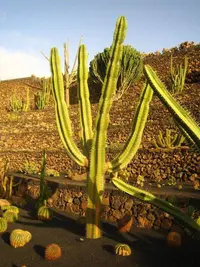
Install a tall, rigid stake or tripod of untreated wood or metal early on and loosely tie stems with soft ties so the heavy, columnar cactus does not lean or snap as it gains height.

Protect from hail

In hail-prone areas, set up a removable rigid cover (such as clear polycarbonate or a cold-frame lid) over the plant during storm season to prevent scarring and tissue damage on the tall stems.

Optimize winter rest

From late fall, keep the plant in a bright, very cool, and almost dry location and avoid any fertilizer so it enters a proper dormancy, which promotes stronger growth and better spine development the following season.

Use mineral mulch

Top-dress the soil surface with 1–2 in of coarse gravel or pumice to keep the stem base dry, reduce rot risk, and stabilize the root zone for this tall desert cactus.

Plan for eventual size

When caring for Neoraimondia herzogiana in containers, choose a wide, heavy pot and position it where a tall, branching column will have headroom and will not be bumped, since impact can crack or scar mature stems.

Common Pests and Diseases

Cochineal scale

This pest forms white, cottony clusters on ribs and areoles, feeding on plant sap and weakening stems over time. Symptoms include pale, patchy skin and sticky honeydew on the cactus surface.

Solution

Remove clusters with a cotton swab dipped in 70% isopropyl alcohol, then rinse the plant with a strong but controlled stream of water. For persistent infestations on large columns, use a systemic insecticide labeled for cacti and improve air movement and light to support recovery as part of overall Neoraimondia herzogiana care instructions.

Red spider mites

These insects are tiny and often appear as fine red or brown specks, causing a dusty look and pale stippling on the cactus skin. Symptoms include fine webbing in rib grooves and dull, grayish patches on sun‑exposed sides.

Solution

Shower the plant with lukewarm water to wash off mites, focusing on rib grooves and areoles, then allow it to dry quickly in bright, airy conditions. If damage continues, apply a horticultural soap or neem oil spray labeled for mites, repeating treatments as directed while avoiding spraying during intense midday sun.

Soft scale

This pest appears as flat, brown to tan bumps that adhere tightly to stems and feed on sap. Symptoms include slow growth, localized yellowing, and sticky honeydew that can lead to sooty mold on the surface.

Solution

Gently scrape or rub scales off with a soft brush or cloth, then wipe affected areas with diluted alcohol or insecticidal soap. For large or repeated infestations, use a systemic insecticide and reduce excess nitrogen fertilization, which can encourage tender, susceptible growth.

Bacterial soft rot

This disease causes water‑soaked, translucent patches that quickly turn soft, sunken, and foul‑smelling. Symptoms include rapid collapse of ribs or sections, especially where water has pooled or wounds are present.

Solution

Cut away all affected tissue well into healthy, firm stem using a sterile knife, and allow the wound to dry and callus in a warm, dry, well‑ventilated place. Discard severely affected plants and avoid overhead watering, prolonged moisture on stems, and unsterilized tools to prevent new infections.

Anthracnose

This disease produces sunken, tan to dark brown spots that may merge into irregular lesions along the ribs. Symptoms include dry, cracked patches and sometimes pinkish or orange spore masses in humid conditions.

Solution

Remove and discard affected stem sections or surface tissue with a sterile blade, then keep the plant in a drier, more ventilated spot with good sun exposure. If the problem recurs, apply a copper‑based or other cactus‑safe fungicide according to label directions and avoid splashing water onto stems during irrigation.

Interesting Facts

Tree‑like cactus columns

This species can develop tall, branched, tree‑like columns with pronounced ribs and large, widely spaced areoles, forming a candelabra-shaped structure in its native Bolivian habitats.

Specialist bee partners

Its tubular flowers are mainly pollinated by large native bees that can access the deep floral tube, making successful reproduction in cultivation outside its range much more likely when suitable pollinators are present.

Dry valley specialist

It is naturally restricted to arid inter‑Andean valleys of Bolivia, where it grows on rocky, mineral-rich slopes with intense sun, low rainfall, and high day–night temperature swings.

Botan icon

Did you know?

Mature plants can live for many decades in habitat and form small, open stands that act as structural keystone species, providing perches and shade for birds, insects, and small animals in otherwise sparsely vegetated Andean dry valleys.

FAQs about Neoraimondia herzogiana

Growth is slow to moderate. In suitable warm, bright, dry conditions, it may add 5–15 cm per year. Young plants grow a bit faster, then slow as stems thicken and branch. Poor light and cold greatly reduce growth.

Grow Healthy Plants with Botan Care

Keep your plants happy and healthy with plant identification, disease detection, and easy care guidance.

Botan plant care app — identify plants on mobile

Explore More Plants