


Mineral mulch topdress
Add a 1–2 cm layer of coarse gravel or pumice on the soil surface to keep the stem base dry, reduce evaporation, and prevent algae or moss from forming around the cactus neck.

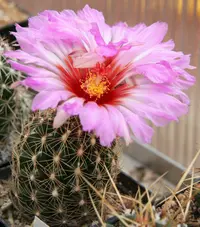
Thelocactus bicolor, commonly called glory of Texas, is a small desert cactus known for its colorful spines and striking purple-pink flowers. It usually grows as a single, rounded stem with prominent ribs and dense, showy spines.
This species is native to arid regions of northern Mexico and southern Texas, where it experiences strong sun, rocky soils, and brief but intense rain. Its slow growth and drought tolerance make it relatively easy in cultivation if overwatering is avoided.
Glory of Texas prefers bright light, very free-draining mineral soil, and light watering followed by thorough drying. Understanding these natural conditions is the key to how to care for glory of Texas.

Care Difficulty
Moderate Care

Light Preference
Full Sun

Water Requirements
Low Water

Temperature Preference
Warm Climate

Hardiness Zone
8–10

Soil Texture
Sandy, Loamy, Rocky

Soil pH
Slightly acidic (6.5–7.0), Neutral (7.0)

Soil Drainage
Well-drained

Fertilization
Minimal (feed rarely)
Scan your plant to receive care tips personalized for your specific plant
Available on iOS and Android
This cactus thrives in strong sun that mimics its bright desert habitat.
This desert cactus prefers thorough but infrequent watering that allows the soil to dry out deeply.
This species favors warm, dry conditions with a distinct cool, dry rest period.
This desert cactus thrives in dry indoor air and rarely needs extra humidity attention.
This species needs a very fast-draining, mineral-based cactus substrate to prevent root and stem rot.
This cactus is very suitable for container growing.
This species grows well with modest feeding that supports steady, compact growth.
Thelocactus bicolor needs minimal pruning, focused on health and safety rather than shaping.
This cactus prefers to stay slightly root-bound and is repotted infrequently to avoid disturbance.
Seed propagation is the standard method for Thelocactus bicolor and maintains natural forms.
This desert cactus has moderate cold tolerance but still needs careful winter handling in many climates.

Plant Health Check
Not sure what's wrong with your plant? Check your plant's health inside the app.
This species develops striking radial spines that are often white or pale at the base with vivid reddish to magenta central spines, creating a strong color contrast against the green stem. The spines help shade the plant body and reduce water loss in its hot, arid habitat.
Unlike many desert cacti, this species can tolerate short periods of sub-freezing temperatures when kept dry, which reflects its adaptation to the Chihuahuan Desert where hot days can be followed by quite cold nights. This cold tolerance makes Thelocactus bicolor plant care somewhat more flexible in regions with mild winters.
The plant produces relatively large, showy flowers in shades of pink to magenta with a contrasting lighter or whitish center, often as wide as or wider than the stem itself. Flowering typically follows summer rains in habitat, when moisture and warmth align to support reproduction.

In its native range, this species often grows partially embedded in gravelly or rocky soils, with much of the stem below the surface; this growth habit, combined with its spine cover, allows it to blend into the surrounding terrain and reduces exposure to intense sun and herbivores.
Lack of flowers usually comes from insufficient light, overly frequent watering, or using high-nitrogen fertilizer. Cool, dry winter rest and strong sun in the growing season help set buds and improve blooming reliability.
Keep your plants happy and healthy with plant identification, disease detection, and easy care guidance.

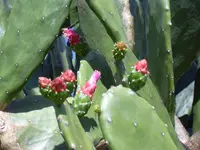
cochineal nopal cactus
Opuntia cochenillifera
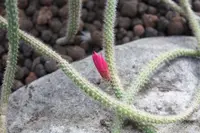
rattail cactus
Aporocactus flagelliformis
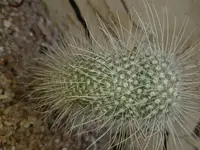
greenflower nipple cactus
Cochemiea barbata
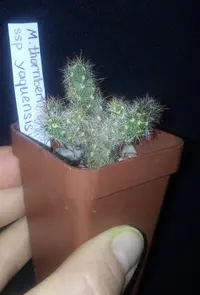
Thornber's fishhook cactus
Cochemiea thornberi
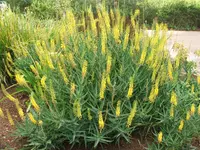
Fence Aloe
Aloiampelos tenuior

Acanthocereus fosterianus
Acanthocereus fosterianus
 POPULAR
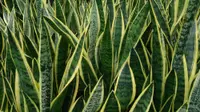
Snake plant
Dracaena trifasciata

Lava cactus
Brachycereus nesioticus