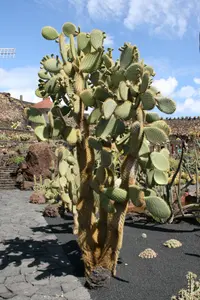
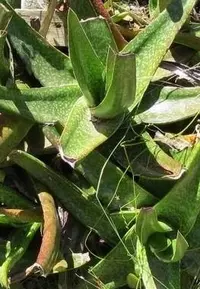
Fence Aloe Care (Aloiampelos tenuior)

Fence Aloe

About Fence Aloe

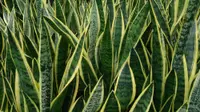
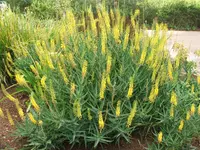
Fence aloe, Aloiampelos tenuior, is a shrubby, climbing aloe relative known for its slender stems and narrow, grass-like leaves. It often forms loose clumps or scrambling thickets. This species is native to South Africa, where it grows in sunny, dry habitats such as rocky slopes and thickets. Its tubular flowers, usually yellow to orange-red, attract pollinators and add color in the cooler months. The plant is generally easy to grow, as it tolerates drought, recovers well from pruning, and adapts to containers. It prefers bright light, well-drained soil, and light, infrequent watering, which helps when learning how to care for Fence Aloe.

Main Plant Requirements

Care Difficulty

Easy Care

Light Preference

Full Sun

Water Requirements

Low Water

Temperature Preference

Warm Climate

Hardiness Zone

9–11

Soil Texture

Sandy, Loamy, Rocky

Soil pH

Slightly acidic (6.5–7.0), Neutral (7.0)

Soil Drainage

Well-drained

Fertilization

Minimal (feed rarely)

Get Personalized Care Plan

Scan your plant to receive care tips personalized for your specific plant

Available on iOS and Android

How to Care for the Fence Aloe

Aloiampelos tenuior thrives in bright, mostly sunny positions with some protection from harsh extremes.

  • Provide 4–6 hours of direct morning sun plus bright light for the rest of the day; eastern or northeastern exposure works well for caring for Fence Aloe.
  • Tolerates light afternoon sun in mild climates, but in hot regions give filtered light or light shade from about 1–4 p.m. to prevent leaf scorch.
  • In too much shade, stems stretch and flowering declines; in winter, maximize sun by avoiding deep shade from buildings or overhanging trees.

Aloiampelos tenuior prefers deep but infrequent watering that allows the soil to dry slightly between soakings.

  • Water only when the top 3–5 cm of soil feels dry, then water thoroughly so it drains freely from the root zone.
  • Reduce frequency in cool seasons, waiting longer between waterings; in hot, dry weather, check soil more often but still avoid constantly wet conditions.
  • Yellowing, soft, or splitting stems indicate overwatering and poor drainage, while shriveling, thin leaves signal the plant has stayed dry for too long.

This species favors mild, frost-free conditions but tolerates a fair range of outdoor temperatures.

  • Ideal growth occurs around 65–80°F (18–27°C), with steady temperatures promoting compact stems and regular flowering.
  • Tolerates brief dips to about 30–32°F (-1–0°C), but repeated frost damages foliage; protect plants or cover during cold snaps.
  • Handles heat up to 95°F (35°C) if soil is well drained and air moves freely; in extreme heat, provide slight afternoon shade to limit stress.

This species handles typical indoor humidity well and rarely needs adjustment.

  • Aim for 30–50% humidity, which matches most heated or air-conditioned homes.
  • Dry air is usually tolerated, but leaf tips shriveling or wrinkling can indicate combined drought and low humidity stress.
  • If air is extremely dry, group Fence Aloe with other plants and keep it away from heating vents to reduce additional moisture loss.

Aloiampelos tenuior needs a sharply draining, airy mix that dries quickly between waterings.

  • Use a sandy, gritty mix such as 50–60% cactus potting mix blended with coarse sand, perlite, or pumice for structure and aeration.
  • Keep drainage rapid so water moves through the root zone in seconds, preventing soggy conditions that lead to root rot.
  • Aim for slightly acidic to neutral pH around 6.0–7.0, which suits most commercial cactus or succulent substrates.
  • Avoid heavy clay, peat-heavy, or compacted mixes that stay wet, and break up any dense clumps before potting.

This species is well suited to container growing on patios or bright balconies.

  • Choose a wide, stable pot to counter the shrubby, sometimes leaning growth habit and reduce tipping in wind.
  • Select unglazed terracotta if extra evaporation is needed, as it releases moisture faster than plastic or glazed ceramic.
  • Ensure the container has large, unobstructed drainage holes so water cannot pool at the base around the roots.

This drought-tolerant succulent needs only light feeding, but moderate nutrients support healthy, compact growth in Fence Aloe.

  • Use a balanced liquid succulent fertilizer (around 10-10-10 or 20-20-20) diluted to 25–50% strength.
  • Feed every 4–6 weeks during spring and summer when growth is active.
  • Avoid high-nitrogen lawn or foliage fertilizers that encourage weak, leggy stems.
  • Stop feeding in fall and winter, when growth slows and nutrient demand drops.

Thoughtful pruning keeps Aloiampelos tenuior dense, tidy, and flowering well.

  • Plan main pruning for late winter to early spring before strong new growth starts.
  • Remove dead, damaged, or crossing stems with clean, sharp pruners or scissors.
  • Shorten overly long shoots to maintain shape and prevent plants from becoming straggly.
  • Cut back spent flower stalks to direct energy into new shoots and later blooms.

Container-grown plants and young outdoor clumps benefit from occasional repotting or transplanting to maintain vigor.

  • Check for roots circling the pot, growing through drainage holes, or slow growth as signs it needs a larger container.
  • Plan repotting or transplanting for spring, allowing warm conditions for root recovery.
  • Move into a pot only 1–2 in wider, using a fast-draining cactus or succulent mix.
  • Water lightly after moving, keep in bright but indirect light for 7–10 days, and avoid heavy feeding until new growth appears.

This species is commonly propagated from stem cuttings or by dividing well-established clumps.

  • Take semi-woody stem cuttings in late spring or summer, 8–12 cm long with several nodes.
  • Allow cuttings to dry and callus for 1–3 days before placing in a gritty, fast-draining mix.
  • Keep the medium barely moist, with bright indirect light and warm temperatures around 70–80°F for rooting.
  • Divide mature clumps in spring, keeping several stems and roots per division to speed establishment.

In mild climates Aloiampelos tenuior needs little winter attention, but extra care is useful in colder regions.

  • Tolerates brief light frosts but can suffer damage below about 25°F, especially in wet soil.
  • Apply a 5–8 cm layer of dry mulch around outdoor roots in fall, keeping it off stems.
  • Move containers indoors or to a sheltered porch before hard freezes, giving bright light and slightly drier soil.

Care Tips

Fence training

Install a simple wire or mesh along a fence or balcony rail and loosely tie new stems to it so the plant can climb and form a dense, upright screen instead of sprawling on the ground.

Controlled clump renewal

Every 2–3 years, remove 1–2 of the oldest, woodiest stems at the base to stimulate fresh shoots and keep the clump open, which improves light penetration and reduces fungal issues.

Root-zone protection

In regions with occasional light frost, add a 3–5 cm layer of coarse gravel or small stones over the root zone to improve drainage and reduce rapid temperature swings in the topsoil.

Propagating insurance

Use healthy, pencil-thick stem cuttings taken after flowering to root in a separate pot, creating backup plants so any winter losses or storm damage can be quickly replaced when growing Fence Aloe outdoors.

Targeted mealybug checks

Inspect the leaf bases and stem joints monthly, and if mealybugs are seen, dab them with cotton swabs dipped in 70% isopropyl alcohol before populations build up and spread through the clump.

Common Pests and Diseases

Aloe mite

This pest causes swollen, lumpy galls and distorted growth along stems, leaf bases, and inflorescences. Symptoms include corky, tumor-like tissue that looks rough and irregular rather than smooth and fleshy.

Solution

Remove and discard all visibly galled or deformed tissue using sterilized tools, cutting several cm into apparently healthy growth to reduce hidden mites. Disinfect tools between cuts, destroy removed material (do not compost), and isolate or discard heavily infested plants, as chemical control for aloe mites in home settings is usually unreliable.

Aphids

These insects cluster on young shoots and flower stalks, sucking sap and causing curling or yellowing of tender growth. Sticky honeydew may appear on leaves and can lead to sooty mold on the plant surface.

Solution

Rinse colonies off with a firm stream of water, then spot-treat remaining insects with insecticidal soap or a ready-to-use neem oil product, covering stems and leaf bases thoroughly. Improve air circulation and avoid excess nitrogen fertiliser, which encourages soft, aphid-prone growth, and check new growth weekly during the active growing season as part of Aloiampelos tenuior care.

Mealybugs

This pest appears as white, cottony clusters in leaf axils, under dried leaf sheaths, and along stems. Infested plants may show slowed growth, yellowing patches, and sticky honeydew residues.

Solution

Dab visible mealybugs with cotton swabs dipped in isopropyl alcohol (70%) and remove dried leaf sheaths where they hide, then follow up with insecticidal soap or horticultural oil, repeating every 7–10 days until no new insects appear. Isolate affected plants from other succulents and avoid overfertilizing, which can encourage soft, susceptible tissue.

Aloe rust

This disease produces small yellow spots that turn brown to black and sunken on leaves, often with a distinct margin. In heavier infections, spots may merge, leading to premature leaf yellowing and drop.

Solution

Remove and discard affected leaves to reduce spore load, and keep foliage dry by watering at the soil level rather than overhead. Provide strong light, space plants for airflow, and if the problem persists in outdoor plantings, use a labeled copper-based fungicide according to directions while also clearing plant debris around the base.

Leaf spot

Symptoms include scattered brown or dark purple spots or streaks on leaves, often starting on older foliage exposed to prolonged moisture or shade. Severely affected tissue may dry and collapse, reducing the plant’s overall vigor.

Solution

Cut away badly spotted leaves with clean tools and allow the soil surface and foliage to dry well between waterings. Improve light levels, increase air movement, and avoid crowding; in repeatedly wet climates outdoors, a preventive fungicidal spray labeled for ornamentals may be used at the first sign of spotting.

Interesting Facts

Shrubby climbing habit

This species grows as a wiry, much-branched shrub that can scramble or lean on supports, unlike the typical single-rosetted form of many aloes. The flexible, cane-like stems can reach several meters in length in habitat, allowing the plant to form loose thickets.

Distinctly colored forms

In its South African range, this species shows several naturally occurring color forms, including yellow-, orange-, and red-flowered plants that are recognized as local variants. These forms often occur in specific regions and are valued in cultivation for extended and varied winter flowering displays.

Pollinated by sunbirds

In the wild, the tubular flowers are mainly pollinated by sunbirds, which are small, nectar-feeding birds native to Africa. The flower shape and upright racemes suit bird pollination, while also offering nectar to insects such as bees.

Botan icon

Did you know?

This species is frequently planted as a living barrier or informal hedge in parts of South Africa, where its dense, twiggy growth and tolerance of pruning create a durable, drought-tolerant fence that also provides winter nectar resources for local wildlife.

FAQs about Fence Aloe

Yellowing leaves usually result from overwatering, poor drainage, or sudden cold. Check that the pot drains freely, let soil dry more between waterings, and avoid temperatures below about 40°F, which can stress roots and foliage.

Grow Healthy Plants with Botan Care

Keep your plants happy and healthy with plant identification, disease detection, and easy care guidance.

Botan plant care app — identify plants on mobile

Explore More Plants