rattail cactus Care (Aporocactus flagelliformis)

rattail cactus

About rattail cactus

Rattail cactus, Aporocactus flagelliformis, is an epiphytic cactus native to dry forests and rocky cliffs of Mexico and Central America. It naturally grows in crevices or on trees, not in deep soil.

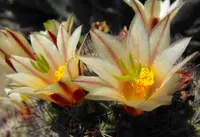
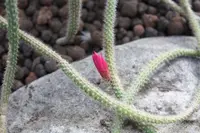
The plant forms long, thin, trailing stems with many short spines, creating a hanging, rope-like effect ideal for baskets and high shelves. In good conditions it produces showy tubular flowers along the stems.

Its growth habit, drought tolerance, and modest nutrient needs make it relatively easy to maintain for most indoor growers. Understanding how to care for rattail cactus mainly involves providing strong light, very free-draining soil, and avoiding constant moisture.

Compared with many leafy houseplants, it is more sensitive to overwatering than to short dry spells, especially in cooler seasons.

Main Plant Requirements

Care Difficulty

Moderate Care

Light Preference

Partial Sun

Water Requirements

Low Water

Temperature Preference

Tropical / Frost Sensitive

Hardiness Zone

10–11

Soil Texture

Sandy, Loamy, Rocky

Soil pH

Acidic (5.5–6.5), Slightly acidic (6.5–7.0)

Soil Drainage

Well-drained

Fertilization

Light (every 4–6 weeks)

Get Personalized Care Plan

Scan your plant to receive care tips personalized for your specific plant

Available on iOS and Android

How to Care for the rattail cactus

This species prefers bright, indirect light with some direct sun for strong growth and flowering.

  • Provide 4–6 hours of gentle morning sun or late-afternoon sun, with filtered or dappled light at midday to prevent stem scorch.
  • Tolerates light partial shade, but long-term low light causes pale, elongated stems and fewer flowers on rattail cactus.
  • Outdoors, use bright shade or a sheer cover in summer; in winter, move to the brightest frost-free spot to compensate for shorter days.

Watering should balance short drying periods with protection from root rot.

  • Allow the top 3–5 cm of soil to dry before watering, then soak thoroughly so excess drains away from the root zone.
  • In spring and summer, water when stems feel slightly less firm; in fall and winter, reduce frequency once growth slows and soil dries more slowly.
  • Watch for soft, yellowing, or blackened stems as signs of overwatering, and wrinkled, shriveled stems as indicators that Aporocactus flagelliformis is too dry.

This cactus prefers warm conditions with a cool, but not freezing, winter rest.

  • Aim for 65–80°F (18–27°C) during active growth, with good air movement to prevent heat buildup around dense stems.
  • Provide a cooler, drier rest at 50–60°F (10–16°C) in fall and winter to support flowering the following season.
  • Protect from frost; extended drops below 40°F (4°C) damage tissue, while heat above 90°F (32°C) requires shade and extra ventilation to avoid stress.

This cactus handles typical indoor humidity but prefers slightly dry air overall.

  • Aim for 30–50% humidity, as rattail cactus is adapted to arid to semi-arid conditions.
  • Dry, wrinkling stems or soft, pale new growth can indicate humidity combined with overwatering stress rather than low humidity alone.
  • Improve air movement with a small fan and avoid grouping tightly with moisture-loving plants to reduce prolonged surface dampness.

This species needs a very fast-draining, airy mix to protect its shallow roots from rot.

  • Use a gritty, sandy cactus mix made from roughly 40% commercial cactus substrate, 30% pumice or perlite, and 30% coarse sand or fine gravel.
  • Ensure the structure is loose and crumbly so water drains through in seconds, leaving air pockets around the roots.
  • Keep pH slightly acidic to neutral, around 6.0–7.0, which suits Aporocactus flagelliformis in most tap-water areas.
  • Avoid dense peat-heavy, clay, or garden soils that stay wet, as these quickly cause root rot and stem collapse.

This trailing cactus is very suitable for container and hanging basket culture.

  • Choose a wide, shallow pot that matches the shallow root system and supports the outward, cascading stem growth without wasted depth.
  • Select unglazed terracotta when possible, as it allows faster evaporation and reduces the risk of waterlogged mix in cool or dim conditions.
  • Secure hanging pots with strong hooks and balanced chains because mature stems become long and heavy, increasing the chance of tipping or falling.

This cactus benefits from light, controlled feeding during its active spring–summer growth.

  • Use a balanced cactus fertilizer or diluted balanced NPK (around 10-10-10) at 1/2–1/4 strength for rattail cactus.
  • Feed every 4–6 weeks from early spring to late summer, always on moist soil to avoid root burn.
  • Avoid organic compost in pots; choose liquid or slow-release products formulated for cacti and succulents.
  • Stop fertilizing in fall and winter to allow proper dormancy and better flowering next season.

Pruning Aporocactus flagelliformis is mainly done to maintain form, remove damage, and manage length.

  • Best time is late winter to early spring, just before active growth begins.
  • Use clean, sharp scissors or pruning shears to remove dead, shriveled, or damaged stems at the base.
  • Thin out crowded or tangled stems to improve light penetration and air flow, which supports flowering.
  • Trim overly long trails to shape the plant; new branches often emerge near cut points, increasing fullness.

This trailing cactus prefers slightly tight pots and only needs repotting when clearly rootbound.

  • Check for roots circling the pot, growing through drainage holes, or unexplained slow growth as signs to repot.
  • Plan to repot every 2–3 years in late winter or early spring, before strong new growth begins.
  • Gently loosen the root ball, remove a little old soil, and shift into a slightly larger container with fresh cactus mix.
  • Handle stems carefully, let any broken areas callus, and avoid heavy watering for a few days to limit root stress.

Aporocactus flagelliformis is most often propagated from stem cuttings under warm, bright conditions.

  • Take healthy, pencil-thick stem segments in late spring or early summer using a clean, sharp knife.
  • Let cut ends dry and callus for 3–7 days in a shaded, airy place to reduce rot risk.
  • Insert callused ends into a well-drained cactus mix and keep slightly moist, not wet, with bright indirect light.
  • Maintain warmth around 70–80°F; roots typically form within a few weeks, after which watering can be increased slightly.

This cactus is frost sensitive and needs cool, dry winter conditions without freezing temperatures.

  • Keep plants above 40–45°F; bring containers indoors or into a greenhouse before the first frost.
  • Provide bright light with cooler nights around 50–60°F to support bud formation for spring blooms.
  • Reduce watering sharply in winter, allowing the mix to dry almost completely between light waterings.
  • Ensure good air circulation and a dry potting medium to prevent cold-related rot in stems and roots.

Care Tips

Support Hanging Stems

Use a sturdy hanging basket or wall-mounted bracket so the long stems can trail freely without kinking or rubbing on sharp edges, which reduces breakage and scarring over time.

Rotate For Even Trails

Turn the pot 90° every 2–3 weeks during active growth so light reaches all sides and the stems develop a balanced, full curtain instead of leaning heavily to one side.

Clean And Inspect Stems

Gently dust or rinse the stems a few times a year and inspect the ribs closely, so pests such as mealybugs or spider mites are spotted early while colonies are still easy to remove.

Controlled Stem Propagation

When a stem becomes too long or damaged, cut a 7–10 cm section, let it callus for several days, then root it in a separate pot to rejuvenate the display while keeping a backup plant.

Adjust Winter Rest

In winter, give the plant a slightly cooler, drier rest and avoid repotting or heavy disturbance, which helps synchronize flowering and improves bud set when the growing season returns for those caring for rattail cactus.

Common Pests and Diseases

Mealybugs

This pest hides in stem joints and along the ribbed stems, sucking sap and causing yellowing, distortion, and weak, stunted growth. Symptoms include cottony white clusters, especially on dense hanging stems and around old areoles where flowers form.

Solution

Isolate the plant, then dab visible insects with cotton swabs dipped in 70% isopropyl alcohol and rinse stems gently with lukewarm water. Improve light and air movement, reduce excess fertilization, and repeat alcohol or insecticidal soap treatments weekly until no new mealybugs appear.

Spider mites

These insects favor the dry, warm conditions often used for hanging cacti and cause fine speckling, dull color, and thin webbing between long stems. Symptoms include slowed growth and a dusty appearance along the segment edges.

Solution

Rinse stems thoroughly under a gentle shower or with a sink sprayer, then increase ambient humidity slightly and improve airflow without keeping stems wet for long periods. Use insecticidal soap or horticultural oil labeled for spider mites, applied to all stem surfaces every 7–10 days until symptoms stop worsening.

Scale insects

This pest appears as small, hard, brown or tan bumps on stems, especially on older, woody sections close to the pot. Symptoms include sticky honeydew, sooty mold on nearby surfaces, and gradual decline in vigor.

Solution

Scrape or gently pry off individual scales with a fingernail or soft brush, then wipe stems with diluted isopropyl alcohol to remove residues. For heavier infestations, use repeated applications of horticultural oil, ensuring thorough coverage of all sides of the hanging stems while keeping the potting mix from becoming waterlogged.

Fungal stem rot

This disease develops when long trailing stems stay wet and poorly ventilated, leading to soft, dark, sunken areas that spread along the stem. Symptoms include mushy tissue, foul odor, and collapse of affected segments, often starting near the soil line or at damaged points.

Solution

Cut away all affected stem sections with a sterile tool, back to firm, healthy tissue, and discard the diseased parts. Adjust watering to let the mix dry well between waterings, improve drainage and airflow, and avoid overhead watering so stems dry quickly; sulfur-based fungicides can be used on cut surfaces if rot has been recurrent.

Botrytis blight

This disease appears in cool, humid, low-light indoor spots and attacks flowers and nearby stem tissue, causing brown, water-soaked lesions covered with gray fuzzy mold. Symptoms include bud drop, deformed blooms, and decay of sections that stayed shaded and poorly ventilated.

Solution

Remove and discard all affected flowers and stem parts and increase light, spacing, and air circulation around hanging baskets. Avoid misting, keep blooms dry, water at the soil level in the morning, and if needed apply a fungicide labeled for Botrytis to protect remaining healthy tissues, which supports more reliable flowering when growing rattail cactus.

Interesting Facts

Ancient name origin

The species epithet flagelliformis refers to its long, whip-like stems, which can reach over 1 m in length under natural conditions, forming dense, trailing curtains of growth.

Specialized hummingbird flowers

In its native Mexican habitat, this species produces tubular, bright pink to magenta flowers that are shaped and oriented to facilitate pollination primarily by hummingbirds, which can access nectar deep in the floral tube.

Cool-season flowering habit

Unlike many desert cacti, this epiphytic species often sets buds and blooms in late winter to spring, responding to a combination of cooler temperatures and day-length changes rather than intense summer heat.

Botan icon

Did you know?

Historical records from European horticulture show that this cactus was already being widely cultivated in glasshouses by the late 18th and early 19th centuries, making it one of the earliest epiphytic cacti to become popular in ornamental collections.

FAQs about rattail cactus

Lack of flowers usually comes from insufficient light, too much nitrogen fertilizer, or no cool, dry winter rest. Mature stems bloom best when given bright conditions, lean feeding, and a slight temperature drop before spring.

Grow Healthy Plants with Botan Care

Keep your plants happy and healthy with plant identification, disease detection, and easy care guidance.

Botan plant care app — identify plants on mobile

Explore More Plants