Mammillaria carnea Care

Mammillaria carnea

About Mammillaria carnea

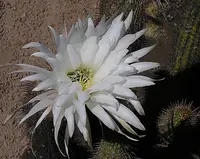
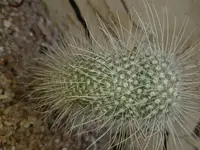
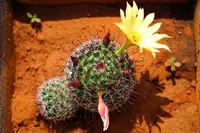
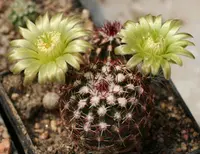
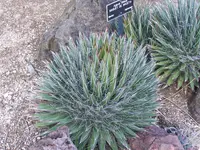
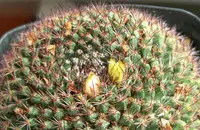
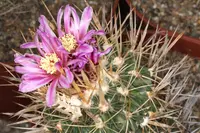
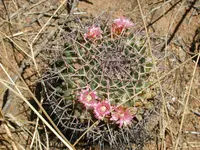
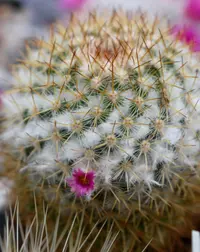
Mammillaria carnea is a small, clumping cactus species valued for its neat form and attractive flowers. It forms low, rounded stems covered with short, fine spines that are less aggressive than many other cacti. In season, it produces pink to carmine flowers arranged in a ring near the top of each stem, creating a distinctive halo effect. This species is native to arid regions of Mexico, where it grows on rocky slopes with excellent drainage. Its compact size and relatively forgiving nature make it suitable for containers and windowsills. Understanding how to care for Mammillaria carnea starts with bright light, minimal watering, and gritty, fast-draining soil.

Main Plant Requirements

Care Difficulty

Easy Care

Light Preference

Full Sun

Water Requirements

Low Water

Temperature Preference

Tropical / Frost Sensitive

Hardiness Zone

10–11

Soil Texture

Sandy, Loamy, Rocky

Soil pH

Slightly acidic (6.5–7.0), Neutral (7.0)

Soil Drainage

Well-drained

Fertilization

Minimal (feed rarely)

Get Personalized Care Plan

Scan your plant to receive care tips personalized for your specific plant

Available on iOS and Android

How to Care for the Mammillaria carnea

This small cactus needs bright light to maintain compact, healthy growth and flowering.

  • Provide 4–6 hours of direct morning sun with bright, filtered light the rest of the day; east or southeast exposure suits Mammillaria carnea well.
  • In hotter regions, protect from intense midday and late-afternoon sun to prevent scorching or yellowed, corky patches on the stem.
  • In winter, move plants to the brightest possible spot and, if outdoors, avoid deep shade from buildings or trees that limits daily sun below 3–4 hours.

This species prefers thorough but infrequent watering with fast drainage.

  • Water only when the top 3–5 cm of soil are completely dry; in active growth this may mean every 10–21 days depending on heat and airflow.
  • Use gritty, sharply draining soil and ensure excess water runs out quickly to reduce risk of root rot, soft stems, or a sour smell from the potting mix.
  • In winter rest, water very lightly every 4–6 weeks or only enough to prevent shriveling, and avoid wet soil during cool, cloudy spells.

Stable warmth with a cool, dry winter rest supports strong growth and flowering.

  • Ideal growing temperatures are 70–85°F (21–29°C) by day and 60–70°F (16–21°C) at night, with good airflow in bright conditions.
  • The plant tolerates brief heat up to 95°F (35°C) if shaded from harsh sun and kept slightly drier to limit stress.
  • Protect from frost; aim to overwinter around 45–55°F (7–13°C) when soil is dry, and avoid exposure below 40°F (4°C) to prevent tissue damage.

This cactus prefers dry air and usually does well in typical indoor humidity.

  • Aim for 30–50% humidity, avoiding persistently damp rooms such as enclosed bathrooms.
  • It tolerates very dry air; problems arise more from excess moisture than low humidity.
  • Watch for soft, pale, or fungus-spotted stems as signs of too much humidity and improve air movement around the plant.

Mammillaria carnea thrives in a very fast-draining, mineral-based soil mix.

  • Use a gritty mix such as 50% cactus potting mix with 50% mineral materials like pumice, perlite, and coarse sand.
  • Ensure the structure stays open and airy so water drains through in seconds rather than pooling around the roots.
  • Aim for slightly acidic to neutral pH around 6.0–7.0, avoiding high-peat mixes that compact and stay wet.
  • Avoid fine, clay-heavy, or high-organic substrates that hold water, as these sharply increase the risk of root rot.

This species is well suited to container growing, including small pots.

  • Choose a shallow but wide pot so the clustered stems have space to spread without trapping moisture in the center.
  • Select unglazed terracotta when possible to allow moisture to evaporate through the pot walls and keep roots drier.
  • Raise the container slightly on pot feet or stones so drainage holes stay clear and runoff escapes quickly after watering.

This small cactus benefits from light, targeted feeding during active growth but remains sensitive to excess salts.

  • Apply a diluted balanced cactus fertilizer (for example, 5-5-5 or 10-10-10 at 25–50% strength) every 4–6 weeks in spring–summer.
  • Use liquid feed rather than compost or heavy slow-release pellets to avoid water retention around the roots.
  • Flush the pot with plain water every few months to reduce salt buildup in the soil.
  • Stop feeding Mammillaria carnea in fall–winter to allow a cool, dry rest period.

Pruning needs are minimal, focused mainly on hygiene and safety rather than shaping.

  • Carry out light pruning in late spring or after the main flowering flush has finished.
  • Use clean, sharp scissors or cactus tongs to remove dead, diseased, or collapsed stems only.
  • Trim spent, rotten, or scarred tissue at the base to reduce rot risk and improve airflow.
  • Avoid cosmetic reshaping, as cutting healthy stems can distort the natural clumping habit of Mammillaria carnea.

This cactus prefers tight pots and benefits from infrequent, careful repotting in sharply draining soil.

  • Repot every 3–4 years or when roots circle the pot, drainage slows, or growth stalls despite correct light and watering.
  • Choose late spring as the best time, when active growth helps roots re-establish quickly after disturbance.
  • Use a shallow container with a gritty cactus mix, handling the root ball gently to keep it as intact as possible.
  • After repotting Mammillaria carnea, keep the soil dry for 7–10 days, then resume light watering to limit root stress and rot.

New plants are most often produced from offsets, with seed used when offsets are limited.

  • Detach firm side offsets in late spring–summer using a sterile knife, leaving a small stem base attached.
  • Allow cut surfaces to callus in a dry, bright spot for 5–7 days before planting to reduce rot risk.
  • Set offsets on barely moist, gritty cactus mix, keeping warmth (70–80°F) and bright, indirect light for rooting.
  • For seed, sow on sterile, well-draining mix, keep lightly moist and warm, and expect slower growth than vegetative Mammillaria carnea starts.

Cool, dry winter conditions are important for healthy rest and reliable flowering.

  • Keep temperatures around 45–55°F, avoiding hard frost, as Mammillaria carnea is not reliably frost hardy in containers.
  • Move potted plants indoors or into an unheated but frost-free greenhouse before freezes are forecast.
  • Provide maximum light and almost no water, only a light sip every 4–6 weeks to prevent severe shriveling.
  • Ensure the soil stays dry and avoid cold drafts, which together reduce the risk of winter root and stem rot.

Care Tips

Encourage Compact Clumps

Rotate the pot a quarter turn every 2–3 weeks so all sides receive similar light, which helps maintain even, compact clustering instead of leaning growth.

Use Top Dressing Gravel

Apply a 0.5–1 cm layer of coarse grit or small gravel on the soil surface to keep the stem base dry, reduce algae and fungus gnat issues, and visually mark how far to keep water away from the crown.

Seasonal Rest Management

In late fall, move the plant to a cooler, very bright spot and keep it almost dry for 8–10 weeks to encourage stronger flowering and tighter growth the following season.

Safe Handling Prep

Before repotting or inspecting roots, wrap the plant in folded newspaper or use silicone-tipped tongs so the stem is supported without crushing the tubercles and spines.

Targeted Pest Checks

Inspect the woolly areoles and the stem base every month with a hand lens for mealybugs or scale, and treat early with a cotton swab dipped in isopropyl alcohol to avoid damage when caring for Mammillaria carnea.

Common Pests and Diseases

Mealybugs

This pest often hides in the woolly areoles and at the stem base, where it sucks sap and weakens the cactus over time. Symptoms include white cottony clusters, slowed growth, and occasional sooty mold from their honeydew.

Solution

Isolate the plant, then dab visible insects with cotton swabs dipped in 70% isopropyl alcohol, taking care to reach into the wool and between offsets. For heavier infestations, rinse the plant thoroughly, let it dry, and use a labeled systemic insecticide for succulents, combined with improved air circulation and avoiding excess nitrogen fertilizer.

Red spider mites

These insects thrive on dry, stagnant air and cause a fine speckling or dull, bronze discoloration on the green tissue between tubercles. Symptoms include very fine webbing in areoles and a general faded look to the plant body.

Solution

Increase humidity around the plant slightly without wetting the stem for long periods, then wash the cactus gently with a strong but controlled stream of water to dislodge mites. Follow with an application of a miticide or insecticidal soap labeled for cacti, repeating at 7–10 day intervals while also improving airflow and light to support recovery and Mammillaria carnea care.

Scale insects

This pest appears as small, hard, brown or gray bumps pressed against the stem, often at the base of tubercles or in crevices. Symptoms include localized yellowing, stunted growth, and a sticky residue on nearby surfaces.

Solution

Manually remove individual scales with a soft brush or toothpick, then wipe affected areas with 70% isopropyl alcohol to dissolve remaining protective shells. For recurring problems, apply a systemic insecticide suitable for cacti and monitor new growth closely, keeping the plant in bright, well-ventilated conditions.

Fusarium stem rot

This disease is caused by soil-borne fungi that enter through wounds or stressed tissue, leading to brown, sunken, or reddish internal discoloration that may progress upward from the base. Symptoms include soft or hollow areas in the stem and rapid collapse of affected sections.

Solution

At the first sign of localized rot, cut away all affected tissue with a sterile knife until only firm, healthy tissue remains, then dust cuts with sulfur or a copper-based fungicide and allow them to dry fully before replanting in fresh, well-draining cactus mix. Discard severely affected plants and avoid reusing old soil or contaminated pots.

Bacterial soft rot

This disease develops rapidly in overly wet or damaged tissue, producing a foul odor and watery, mushy areas on the stem. Symptoms include skin that slips or breaks easily and a rapid spread of translucent, collapsing patches.

Solution

Isolate the plant immediately and excise all soft tissue with sterilized tools, cutting back into firm, uninfected areas, then let the remainder dry in a warm, airy place without water for several days. If rot is extensive, it is safer to discard the plant and any contaminated soil, then adjust watering practices and avoid stem injuries in future plants.

Interesting Facts

Soft clustering stems

This species forms loose clusters of relatively soft, cylindrical stems with blunt tips, unlike many Mammillaria that stay very small and tightly globose.

Hooked central spines

Its central spines are distinctly hooked, an adaptation that helps protect the plant from herbivores and can also trap wind-blown debris that slowly enriches the shallow soil around the clump.

Rose-pink flower ring

In bloom, it produces a ring of rose-pink to carmine flowers near the stem apex, a characteristic feature used by botanists to help distinguish it from closely related Mexican species when studying Mammillaria carnea care instructions.

FAQs about Mammillaria carnea

Flowering usually requires bright light, a cool and fairly dry winter rest, and a mature plant. If kept too warm, overwatered in winter, or shaded, it often produces few or no flowers the following season.

Grow Healthy Plants with Botan Care

Keep your plants happy and healthy with plant identification, disease detection, and easy care guidance.

Botan plant care app — identify plants on mobile

Explore More Plants