Pot weight check
Lift the container periodically and learn its dry weight so you can use the pot’s heaviness as a quick indicator of when the large root system has truly used available moisture deep in the mix before watering again.

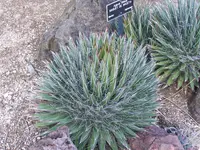
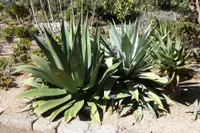
Thread agave (Agave filifera) is a compact, rosette-forming succulent from arid regions of central Mexico. It stores water in thick, rigid leaves to survive long dry periods. The plant is known for its narrow, dark green leaves edged with curling white filaments and sharp terminal spines, giving it a precise, architectural look in containers or rock gardens. Growth is relatively slow, and it usually stays a manageable size for many years. Agave filifera prefers strong light, very well-draining gritty soil, and infrequent watering, which makes it suitable for low-maintenance desert-style plantings. With the right conditions, it is straightforward to care for Thread agave both indoors and outdoors in warm climates.

Care Difficulty
Easy Care

Light Preference
Full Sun

Water Requirements
Low Water

Temperature Preference
Warm Climate

Hardiness Zone
8–11

Soil Texture
Sandy, Loamy, Rocky

Soil pH
Slightly acidic (6.5–7.0), Slightly alkaline (7.0–7.5)

Soil Drainage
Well-drained

Fertilization
Minimal (feed rarely)
Scan your plant to receive care tips personalized for your specific plant
Available on iOS and Android
This species prefers bright, open exposure similar to its native arid habitats.
Agave filifera is highly drought tolerant and must be kept on the dry side to avoid root rot.
This desert-adapted agave prefers warm conditions but has some cold tolerance when kept dry.
Humidity is rarely a concern for Agave filifera in typical home or outdoor conditions.
Agave filifera prefers very fast-draining, mineral-rich soil that prevents water from sitting around the roots.
This species is well suited to container growing when provided with a stable, free-draining setup.
This desert succulent needs only light feeding to stay healthy and compact.
Pruning Agave filifera is mainly cosmetic and focused on safety and cleanliness rather than shaping.
This slow-growing agave tolerates being rootbound and requires infrequent repotting or transplanting.
Agave filifera is most commonly propagated by offsets, with seed used mainly by advanced growers or breeders.
This species is moderately cold hardy but still benefits from simple winter precautions, especially in containers.

Plant Health Check
Not sure what's wrong with your plant? Check your plant's health inside the app.
This species develops distinctive white, curling fibers along the margins of its dark green leaves, which are actually narrow strips of dried leaf tissue that naturally peel away as the leaves expand.
Agave filifera typically forms a single, dense rosette rather than large clumps, which makes its natural populations appear as scattered individual plants across rocky slopes in central Mexico.
In its native range, the tall flower stalks are mainly pollinated by nocturnal moths that visit the tubular, pale greenish flowers for nectar.

Agave filifera is monocarpic, meaning each rosette flowers only once at the end of its life, sending up a tall flowering stalk after many years of slow growth and then dying back while any offsets continue the plant’s life cycle.
Brown leaf tips usually result from underwatering, high heat, or salt buildup from fertilizer. Widespread browning can indicate root rot from poor drainage. Remove dead tissue and improve watering consistency and soil drainage to stabilize the plant.
Keep your plants happy and healthy with plant identification, disease detection, and easy care guidance.