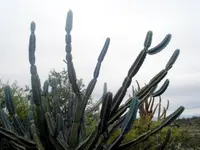
nylon hedgehog cactus Care (Echinocereus viridiflorus)

Also known as: Green-flower Hedgehog Cactus, Green Pitaya
nylon hedgehog cactus

About nylon hedgehog cactus

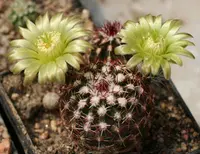
The nylon hedgehog cactus, Echinocereus viridiflorus, is a small, slow-growing cactus known for its dense spines and compact, often clustered stems. It typically stays low to the ground, forming tight mounds that suit small pots or rock gardens.

This species is native to dry grasslands and rocky slopes in the central United States and northern Mexico. It often produces greenish to yellow flowers that contrast with its spiny surface.

Echinocereus viridiflorus is considered relatively easy to grow if kept in bright light, a very well-drained, gritty mix, and low humidity. Understanding how to care for nylon hedgehog cactus mainly involves avoiding excess moisture and prolonged cold, especially in containers.

Main Plant Requirements

Care Difficulty

Easy Care

Light Preference

Full Sun

Water Requirements

Low Water

Temperature Preference

Cold Hardy

Hardiness Zone

4–9

Soil Texture

Sandy, Loamy, Rocky

Soil pH

Slightly acidic (6.5–7.0), Neutral (7.0)

Soil Drainage

Well-drained

Fertilization

Minimal (feed rarely)

Get Personalized Care Plan

Scan your plant to receive care tips personalized for your specific plant

Available on iOS and Android

How to Care for the nylon hedgehog cactus

This small cactus needs strong light to stay compact and flower reliably.

  • Provide 6–8 hours of direct sun daily outdoors; morning to early afternoon sun is ideal, with light afternoon shade in very hot climates.
  • Accepts light partial shade, but nylon hedgehog cactus may elongate and flower less if it receives under 4–5 hours of direct sun.
  • Introduce full sun gradually in spring to prevent scorching; in winter, give the brightest exposure available to compensate for short days.

Watering should mimic brief desert rains followed by dry periods.

  • Allow the top 3–5 cm of soil to dry completely before watering; in the ground, wait until the soil feels dry several cm down around the roots.
  • In active growth (roughly spring to early fall), water deeply but infrequently, ensuring fast drainage so the root zone does not stay wet for more than 1–2 days.
  • Reduce watering sharply in winter; signs of overwatering include yellowing, soft or translucent stems, while severe wrinkling signals prolonged drought.

This species tolerates a wide temperature range but still benefits from stable seasonal conditions.

  • For active growth, aim for 70–90°F (21–32°C) by day and 55–70°F (13–21°C) at night, similar to warm, dry summer conditions.
  • Mature plants can survive short dips near 0°F (-18°C) if kept absolutely dry, but safer minimums are above 15–20°F (-9 to -6°C), especially in wetter climates.
  • Protect from prolonged frost and winter wet; during heat waves above 100°F (38°C), increase airflow and provide light afternoon shade to avoid stress.

This cactus prefers dry air and rarely needs humidity adjustment indoors.

  • Aim for 20–40% humidity, similar to a heated indoor room or arid outdoor climate.
  • It tolerates very dry air; issues arise more from excess moisture than from low humidity.
  • Watch for soft, pale, or splitting stems as signs of prolonged dampness and improve air movement rather than adding humidity.

This species needs a very fast-draining, mineral-rich substrate to prevent root rot.

  • Use a gritty mix such as 50–70% mineral material (pumice, coarse sand, small gravel) with 30–50% cactus potting mix.
  • Ensure the substrate feels loose and airy, never compact, so oxygen can reach the roots easily.
  • Slightly acidic to neutral pH around 6.0–7.0 suits Echinocereus viridiflorus, avoiding strongly acidic or alkaline mixes.
  • Avoid fine peat-heavy or moisture-retentive soils that stay wet for more than 1–2 days after watering; increase mineral content to improve drainage.

This species is well suited to container culture when drainage and root space are managed carefully.

  • Choose a pot only 2–3 cm wider than the root ball to reduce unused, wet substrate around the roots.
  • Select unglazed clay if possible, as it allows faster evaporation and helps the mix dry between waterings.
  • Place the container where it cannot tip, since a shallow, wide pot stabilizes the compact but sometimes offset-forming plant.

This cactus needs only light feeding to support healthy growth in containers.

  • Use a low-dose balanced liquid cactus fertilizer (for example 5-5-5 or 10-10-10) diluted to 25–50% strength.
  • Feed once in late spring and once in mid-summer while nylon hedgehog cactus is actively growing.
  • Avoid compost-rich mixes that stay wet; excess organic matter can cause root rot.
  • Do not fertilize in fall or winter, when the plant is semi-dormant.

Echinocereus viridiflorus requires minimal pruning, focused mainly on health and safety.

  • Best time is late spring to summer, during active growth and dry weather.
  • Remove dead, diseased, frost-damaged, or collapsing stems with clean, sharp pruning shears or a knife.
  • Cut as close to the base as practical without damaging healthy tissue to maintain a compact clumping shape.
  • Disinfect tools before and after use to reduce disease spread, and handle spines with thick gloves or tongs.

This species grows slowly and rarely needs frequent repotting or transplanting.

  • Repot container plants only when roots circle the pot, drainage slows, or growth stalls, usually every 3–5 years.
  • Aim for early spring, just before active growth, using a slightly larger pot with very gritty, fast-draining cactus mix.
  • Lift the plant gently with tongs, protect roots, and avoid breaking the root ball more than necessary.
  • After repotting, keep soil slightly dry for 7–10 days so minor root injuries can callus before normal watering.

Echinocereus viridiflorus is commonly propagated by offsets and seeds under warm, bright conditions.

  • In late spring or early summer, twist or cut offsets from the clump with a sterile knife.
  • Let cut surfaces dry and callus for 5–10 days, then place in barely moist, gritty cactus mix.
  • Provide bright, indirect light, 70–80°F warmth, and very light watering until roots form.
  • For seeds, sow on the surface of sterile, fine cactus mix, keep slightly moist, and maintain 70–75°F for steady germination.

This cactus is relatively cold hardy but still benefits from thoughtful winter management, especially in containers.

  • Established plants in the ground tolerate brief freezes well if soil drains sharply.
  • Keep plants much drier in winter; wet, cold soil is more damaging than low air temperatures.
  • Apply a light gravel mulch around the base to keep the crown dry and reduce freeze–thaw stress.
  • Move potted plants to a bright, cool, frost-free place around 35–45°F for winter dormancy with minimal watering.

Care Tips

Gravel Collar Zone

Create a 2–3 cm wide collar of coarse mineral grit or small gravel around the base of the plant to keep the neck dry, limit rot, and reduce soil splash that can mark the stem.

Deep Pot Selection

Use a relatively deep, narrow pot to accommodate the long taproot and add a top-heavy-resistant weight (such as a layer of stones at the bottom above drainage holes) so the plant does not tip over as it matures.

Cold Dry Rest

In winter, provide a cool, dry rest by moving the plant to 40–50°F and withholding water except for a very light sprinkle once every 5–6 weeks to keep roots from fully desiccating.

Bloom Induction Strategy

To encourage flowering, maintain a marked temperature difference between day and night (about 10–20°F) in late winter to early spring while keeping the plant on the dry side, then resume careful watering as buds appear.

Safe Handling Setup

Handle the plant only with folded newspaper bands, silicone-coated barbecue gloves, or kitchen tongs, and keep a dedicated soft brush nearby to remove debris from spines after repotting when caring for nylon hedgehog cactus.

Common Pests and Diseases

Mealybugs

This pest feeds on the cactus stems, hiding in woolly white clusters between ribs and around areoles, and can cause yellowing and weak, stunted growth.

Solution

Remove visible clusters with a cotton swab dipped in 70% isopropyl alcohol, then place the plant in brighter, airy conditions and repeat spot treatment weekly until no new insects appear; for larger infestations, use a ready-to-use insecticidal soap labeled for cacti, applied in the cool part of the day.

Spider mites

These insects thrive in hot, very dry air and cause a dull, dusty look on stems, fine webbing between spines, and gradual loss of green color.

Solution

Shower the cactus gently with lukewarm water to remove mites, then increase air movement and slightly raise humidity around the plant; if symptoms persist, apply a miticide or insecticidal soap labeled for spider mites, ensuring full coverage of the stem surface while keeping the soil relatively dry.

Scale insects

This pest appears as small, hard, brown or gray bumps on the ribs and around areoles, drawing sap and leading to slow decline and sticky honeydew deposits.

Solution

Gently pry off individual scales with a fingernail or soft brush, dab remaining spots with 70% isopropyl alcohol, and repeat checks every 7–10 days; for recurring problems, use an insecticidal soap or horticultural oil spray suited to succulents, applied sparingly to avoid prolonged wetting of the stem.

Fusarium stem rot

This disease causes localized sunken, brown to black patches on the stem that may expand and soften, often entering through small wounds or frost damage.

Solution

At an early stage, cut out affected tissue with a sterile knife back into firm, healthy tissue, allow the wound to dry in bright, indirect light for several days, then replant in a fresh, very well-drained mineral mix; discard severely affected plants and avoid overhead watering and injury to the stem to prevent reinfection.

Corky scab lesions

Symptoms include rough, tan to brown, cork-like patches on the lower stem segments, often linked to previous minor infection or chronic stress from excess moisture or abrupt temperature swings.

Solution

There is no reversal for existing corky areas, but growth can be stabilized by improving drainage, reducing watering frequency, and providing strong light with good airflow; if small soft or dark spots are present at the margins, trim back to healthy tissue and allow the surface to dry fully before resuming normal Echinocereus viridiflorus plant care.

Interesting Facts

Unusual green flowers

This species produces small, tubular flowers in shades of green to yellow‑green, often with darker central bands, which is atypical among cacti that more commonly have brightly colored blooms.

Cold-tolerant cactus

Native to the High Plains and foothills of the central United States and northern Mexico, it tolerates freezing temperatures and can survive short periods below 0°F when kept dry.

Camouflaged spination

Its dense spines range from yellow to brown or almost black and often blend with surrounding grasses and rocks, giving the plant effective camouflage against herbivores in its native habitat.

Botan icon

Did you know?

Some local populations of this species have been described as distinct varieties or forms based on spine color and flower characteristics, illustrating how strongly this cactus can vary in appearance across its native range, which is important for botanists studying Echinocereus viridiflorus plant care and taxonomy.

FAQs about nylon hedgehog cactus

Lack of flowers usually comes from insufficient winter chill, poor light, or excess nitrogen fertilizer. This species needs a cool, dry winter rest and strong spring–summer light to set buds and produce its greenish blooms.

Grow Healthy Plants with Botan Care

Keep your plants happy and healthy with plant identification, disease detection, and easy care guidance.

Botan plant care app — identify plants on mobile

Explore More Plants