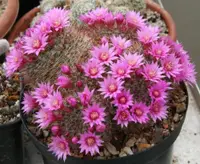
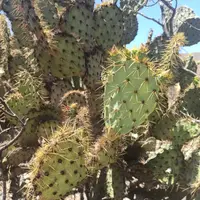
Cereus forbesii Care

Cereus forbesii

About Cereus forbesii

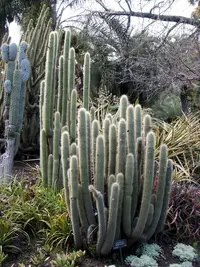
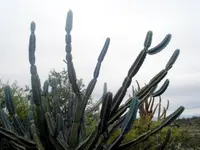
Cereus forbesii is a columnar cactus native to arid regions of South America, especially Argentina and Bolivia. It forms upright, blue‑green stems with distinct ribs and short spines. Mature plants may branch and can produce white, night‑blooming flowers followed by ornamental fruits. This species grows relatively slowly but is long‑lived under stable indoor or outdoor conditions. It suits growers who prefer a low‑maintenance plant that tolerates occasional neglect, provided it receives strong light and very free‑draining soil. Understanding how to care for Cereus forbesii mainly involves avoiding overwatering and giving it enough sun and warmth.

Main Plant Requirements

Care Difficulty

Easy Care

Light Preference

Full Sun

Water Requirements

Low Water

Temperature Preference

Tropical / Frost Sensitive

Hardiness Zone

10–11

Soil Texture

Sandy, Loamy, Rocky

Soil pH

Slightly acidic (6.5–7.0), Neutral (7.0)

Soil Drainage

Well-drained

Fertilization

Minimal (feed rarely)

Get Personalized Care Plan

Scan your plant to receive care tips personalized for your specific plant

Available on iOS and Android

How to Care for the Cereus forbesii

This cactus thrives in bright, direct light but needs gradual adaptation to strong sun.

  • Provide 6–8 hours of direct sun daily; full sun is ideal outdoors where summers are not extreme.
  • Introduce full sun slowly over 1–2 weeks to prevent bleaching or brown scorch patches on Cereus forbesii stems.
  • In very hot regions, give light afternoon shade or filtered sun in summer, but avoid sites with less than 4–5 hours of direct light, which cause weak, stretched growth.

Water deeply but infrequently, allowing the soil to dry well between waterings.

  • Wait until at least the top 5–7 cm of soil are completely dry, then water until it drains through, whether in the ground or a pot.
  • In spring and summer, expect to water roughly every 10–21 days depending on heat, wind, and soil; reduce to light, occasional sips in fall and keep almost dry in winter.
  • Use very fast-draining, gritty soil; soft, yellowing stems or blackened bases indicate chronic overwatering, while wrinkling and slight stem shrinkage suggest it is time to water a Cereus forbesii plant.

This species prefers warm, dry conditions and does not tolerate hard frost.

  • Aim for active growth temperatures around 70–90°F (21–32°C); brief spikes to 95–100°F (35–38°C) are tolerated if soil is fast-draining and roots are not waterlogged.
  • Protect from cold below 40°F (4°C); light, very brief dips to 32°F (0°C) may be survived, but repeated frost damages tissue and invites rot.
  • In winter, a cool, dry rest at 45–55°F (7–13°C) is acceptable if the plant is kept almost dry, while summer heat combined with high humidity calls for excellent airflow.

This cactus handles typical indoor humidity well and rarely needs special humidity management.

This cactus prefers a very free-draining, mineral-based substrate that dries quickly between waterings.

  • Use a sandy, gritty mix such as 50–60% commercial cactus mix blended with coarse pumice, perlite, or small gravel.
  • Aim for slightly acidic to neutral pH around 6.0–7.0, avoiding heavy additions of peat that stay wet too long.
  • Ensure soil structure is loose and airy; large mineral particles create air pockets that protect roots from rot.
  • Avoid dense, clay-heavy, or water-retentive mixes with a lot of fine compost, which keep roots wet and encourage fungal problems.

This species is well suited to container growing, both outdoors in warm climates and as a patio specimen.

  • Choose a heavy terracotta or ceramic pot to counter the tall, columnar stems and reduce the risk of tipping in wind.
  • Select a container slightly deeper than it is wide so the root system anchors the tall stems without becoming cramped.
  • Use a potting setup that lets excess water drain away from the saucer within minutes to keep the root zone dry and stable.

This cactus needs modest feeding, mainly during active spring–summer growth for healthy, steady development.

  • Use a balanced cactus or succulent fertilizer (for example 10-10-10) diluted to 1/4–1/2 strength in well-watered soil.
  • Feed every 4–6 weeks during the growing season for best Cereus forbesii care.
  • Avoid high-nitrogen products, which cause weak, elongated stems and softer tissue.
  • Stop fertilizing in fall and winter to respect its natural resting period.

Pruning is minimal but useful for shaping and removing problem growth.

  • Carry out any pruning in late spring or early summer when growth is active.
  • Remove dead, shriveled, diseased, or storm-damaged stems cleanly at the base.
  • Thin crowded or rubbing stems to improve light penetration and airflow in Cereus forbesii clumps.
  • Use sharp, disinfected pruners and handle stems carefully to avoid crushing the tissue.

Container-grown plants respond well to careful repotting that respects the slow, woody root system.

  • Check for roots circling the pot, pushing out of drainage holes, or declining growth as cues to move up a size.
  • Repot every 3–4 years in late spring, using a gritty cactus mix and a pot just 2–5 cm wider.
  • Lift the cactus with padding, tease roots gently, and trim rotten sections with sterile tools.
  • Replant at the same depth, keep soil barely moist for 1–2 weeks, and shade from intense sun to limit stress.

New plants are most often produced from stem cuttings, with seeds used when many plants are needed.

  • Take healthy, pencil-thick stem sections in late spring or early summer from mature Cereus forbesii plants.
  • Allow cut surfaces to callus in a dry, bright place for 5–10 days before planting.
  • Set cuttings upright in barely moist, gritty cactus mix and keep warm at 70–80°F with bright, indirect light.
  • For seeds, sow on the surface of sterile mix, keep lightly moist, and provide warmth and light for several weeks.

This cactus is sensitive to hard frost and benefits from simple winter precautions in cold regions.

  • In-ground plants tolerate only brief light frosts; sustained temperatures below about 25°F risk tissue damage.
  • Mulch around the root zone with coarse gravel or mineral mulch, not bark, to improve drainage in wet winters.
  • Move container plants indoors or into an unheated bright porch before freezing nights arrive.
  • Keep soil almost dry in winter to reduce rot risk in cool conditions.

Care Tips

Stabilize Tall Stems

Install a heavy, wide pot and add a top layer of coarse gravel so the root zone is weighted down and tall columns are less likely to tip in wind or if bumped.

Rotate For Even Columns

Quarter-turn the pot every 2–3 weeks during the bright season so each side receives similar light and the stems stay straight instead of bending toward a single light source.

Dry Winter Rest

From late fall through winter, keep the plant in a bright, cool spot and reduce water to just enough to prevent shriveling, which supports compact growth and reliable flowering next season.

Monitor Spine Health

Inspect new spines and areoles monthly; pale, softened, or missing spines can indicate past overwatering or rot, so adjust watering and check roots if this change appears.

Safe Handling Setup

When repotting or moving, wrap the stems loosely with several layers of folded newspaper or a foam sheet secured with tape so the cactus can be handled without damaging the skin or spines while caring for Cereus forbesii.

Common Pests and Diseases

Mealybugs

This pest feeds on cactus stems, leaving white, cottony clusters in areoles and along ribs, and can cause yellowing and slowed growth.

Solution

Isolate the plant, then dab visible mealybugs with cotton swabs dipped in 70% isopropyl alcohol and repeat weekly until no new insects appear; for larger infestations on outdoor plants, use a strong water spray plus a targeted insecticidal soap, and reduce excess nitrogen fertilization that promotes soft, vulnerable growth.

Red spider mites

These insects are tiny sap-feeding mites that thrive in hot, dry conditions and cause pale speckling, dull coloration, and fine webbing between ribs and spines.

Solution

Increase ambient humidity around but not directly on the cactus body with nearby water trays, then hose the stems thoroughly outdoors or in a shower and follow with several applications of insecticidal soap or a horticultural oil labeled for mites, focusing on rib crevices and under any branching points to support stable Cereus forbesii care.

Scale insects

This pest appears as hard, brown or gray bumps on ribs and at the base of spines, drawing sap and leading to weak, patchy growth and sticky honeydew.

Solution

Manually remove scale with a soft brush or cloth moistened with diluted alcohol, then treat remaining insects with repeated applications of horticultural oil, ensuring good coverage around areoles and branch junctions while also checking nearby plants to prevent reinfestation.

Bacterial soft rot

This disease causes water-soaked, foul-smelling, soft areas on stems, often starting where physical damage or prolonged wetness has occurred.

Solution

Promptly cut out all affected tissue back into firm, healthy flesh using a sterile knife, allow the wound to dry and callus in bright, dry air, and improve long-term conditions by avoiding overhead watering, keeping the stem dry, and ensuring the potting mix drains very quickly.

Fungal stem spots

This disease produces dry, sunken, brown or gray lesions on stems that may slowly enlarge under cool, damp conditions or poor air movement.

Solution

Remove or cut away affected stem sections if practical, keep the plant in sunnier, warmer, and more ventilated conditions, avoid wetting the stem when watering, and, for outdoor plants in humid regions, consider an occasional preventative spray with a sulfur or copper-based fungicide labeled for cacti if spotting recurs.

Interesting Facts

Argentinian Andean native

This species is naturally distributed in arid and semi-arid regions of northwestern Argentina, where it grows on rocky slopes and in scrubby steppe, adapted to strong sun, large daily temperature swings, and low rainfall.

Distinctive blue-green stems

Mature plants often develop a bluish to glaucous (waxy, pale) coating on their ribbed stems, which helps reflect intense sunlight and reduce water loss in their native habitat.

Nocturnal white flowers

It produces large, white, night-opening flowers that are pollinated mainly by nocturnal insects, an adaptation typical of many columnar cacti from seasonally dry environments.

Botan icon

Did you know?

This species has been widely used in breeding ornamental columnar cacti, and forms the parentage of several popular blue-stemmed garden hybrids valued for their unusual coloration and manageable size.

FAQs about Cereus forbesii

Lack of blooms usually comes from insufficient light, a pot that is too small, or the plant being too young. This species often needs several years of strong, stable outdoor sun before flowering reliably.

Grow Healthy Plants with Botan Care

Keep your plants happy and healthy with plant identification, disease detection, and easy care guidance.

Botan plant care app — identify plants on mobile

Explore More Plants