


Support hanging stems
Use a wide, shallow hanging basket or a trellis hoop inside the pot so the stems can drape without kinking or breaking at the crown, and rotate the container every 2–3 weeks for even, symmetrical growth.

Rhipsalis pachyptera is an epiphytic cactus, meaning it naturally grows on trees rather than in the ground. It forms long, flat, segmented stems that hang or trail gracefully.
In its native habitats of tropical forests in South America, it grows under tree canopies in shaded, humid conditions. This background explains its preference for bright, indirect light and evenly moist, well-drained soil.
The plant is generally considered easy to grow if its dislike of harsh sun and very dry air is respected. For anyone learning how to care for Rhipsalis pachyptera, understanding its forest origins is the key starting point.

Care Difficulty
Moderate Care

Light Preference
Bright Indirect Light

Water Requirements
Moderate Water

Temperature Preference
Tropical / Frost Sensitive

Hardiness Zone
11–12

Soil Texture
Sandy, Loamy, Organic-rich

Soil pH
Acidic (5.5–6.5), Slightly acidic (6.5–7.0)

Soil Drainage
Moist but well-drained

Fertilization
Light (every 4–6 weeks)
Scan your plant to receive care tips personalized for your specific plant
Available on iOS and Android
This epiphytic cactus prefers bright, filtered conditions that mimic dappled forest light.
Moisture should be moderate and consistent without leaving the roots in saturated soil.
Stable, mild temperatures support healthy growth and reduce stress-related problems.
This species prefers moderately humid air but adapts to typical indoor levels if kept out of drafts and intense heat.
Use a loose, airy, fast-draining mix that holds some moisture but never stays saturated.
This species is well suited to container growing, especially in hanging pots that allow stems to trail freely.
Feeding supports steady, lean growth for Rhipsalis pachyptera in containers, but heavy fertilization is unnecessary.
Pruning is mainly used to tidy Rhipsalis pachyptera and manage length, not to control vigorous woody growth.
Container-grown Rhipsalis pachyptera prefers slightly tight pots and infrequent disturbance.
This species is commonly propagated from stem cuttings, making it straightforward to share or expand a collection.
Rhipsalis pachyptera is frost-sensitive and needs mild, protected conditions in winter, especially in containers.

Plant Health Check
Not sure what's wrong with your plant? Check your plant's health inside the app.
This species naturally grows as an epiphyte in humid coastal forests of southeastern Brazil, anchoring to tree bark rather than rooting in soil, which shapes its preference for airy substrates and dappled shade in cultivation.
Its flattened, wing‑like stem segments (cladodes) are broad and slightly notched, giving the plant a cascading, ribboned appearance that distinguishes it from many other Rhipsalis species with round or pencil‑thin stems.
The small, pale flowers open along the stem margins and are thought to be adapted to low‑light forest conditions, attracting small insects that can navigate the shaded understory with limited visual cues.
Growth is moderate rather than rapid. Under stable indoor conditions, stems typically extend 5–10 cm per year. Good light, consistent moisture, and occasional feeding support faster, denser growth, while low light or irregular watering slows development noticeably.
Keep your plants happy and healthy with plant identification, disease detection, and easy care guidance.

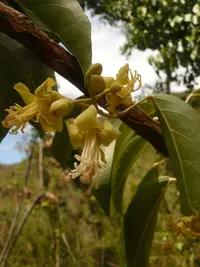
ratapple
Morisonia americana
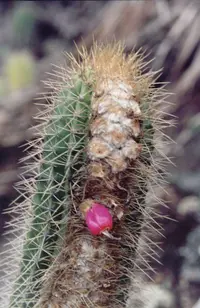
Coleocephalocereus fluminensis
Coleocephalocereus fluminensis
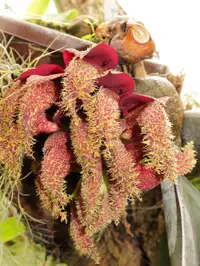
Bulbophyllum phalaenopsis
Bulbophyllum phalaenopsis
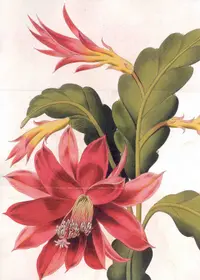
Disocactus ackermannii
Disocactus ackermannii
Justicia brasiliana
Justicia brasiliana
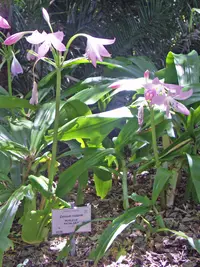
Natal Swamplily
Crinum moorei
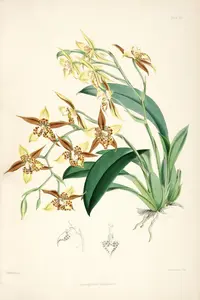
Rhynchostele maculata
Rhynchostele maculata
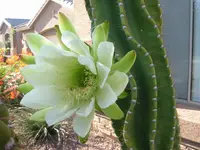
lady of the night cactus
Cereus hexagonus