Coleocephalocereus fluminensis Care

Coleocephalocereus fluminensis

About Coleocephalocereus fluminensis

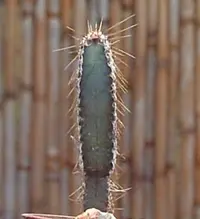
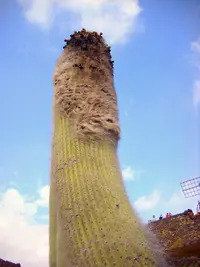
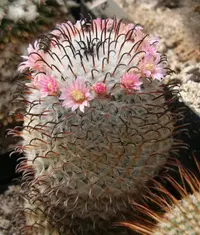
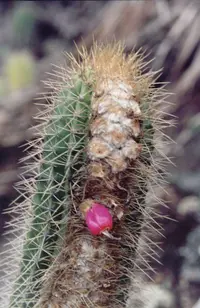
Coleocephalocereus fluminensis is a columnar cactus from rocky hillsides in eastern Brazil, where it grows in hot, dry, and very bright conditions. It forms slender, upright stems with dense ribs and spines, often developing shaggy, woolly growth along one side as it matures.

This species is slow-growing and long-lived, so it suits patient collectors rather than those wanting quick results. It needs excellent drainage and careful watering, which can make how to care for Coleocephalocereus fluminensis slightly challenging for beginners.

Given strong light, a gritty mineral substrate, and protection from excess moisture, it can adapt well to indoor or greenhouse culture in many climates.

Main Plant Requirements

Care Difficulty

Moderate Care

Light Preference

Full Sun

Water Requirements

Low Water

Temperature Preference

Tropical / Frost Sensitive

Hardiness Zone

10–12

Soil Texture

Sandy, Rocky, Loamy

Soil pH

Slightly acidic (6.5–7.0), Neutral (7.0)

Soil Drainage

Well-drained

Fertilization

Minimal (feed rarely)

Get Personalized Care Plan

Scan your plant to receive care tips personalized for your specific plant

Available on iOS and Android

How to Care for the Coleocephalocereus fluminensis

This cactus prefers strong light and benefits from gradual exposure to full sun in dry climates.

  • Provide 6–8 hours of direct sun daily, ideally with morning sun and some light afternoon shade in very hot regions to prevent stem scorching.
  • Young or recently moved Coleocephalocereus fluminensis should be acclimated over 2–3 weeks, starting with bright filtered light, to avoid sudden sunburn.
  • In winter, ensure the plant still receives at least 4–5 hours of bright light; too little light leads to elongated, weak growth.

This species is drought-tolerant and needs infrequent but thorough watering in fast-draining soil.

  • Water only when the top 3–5 cm of soil are completely dry; in warm growing seasons this may mean every 10–21 days, depending on heat and wind.
  • Use gritty, sharply draining soil so water runs quickly through; a lingering soggy mix or a sour smell indicates overwatering risk to the roots.
  • In winter, reduce watering drastically, giving only light sips if stems start to wrinkle, as Coleocephalocereus fluminensis rests and uses far less moisture.

This cactus prefers warm to hot, dry conditions and is sensitive to prolonged cold.

  • Aim for 70–90°F (21–32°C) during active growth; short spikes to 95°F (35°C) are tolerated if soil is dry and there is good air movement.
  • Protect from temperatures below 45°F (7°C); brief dips to about 40°F (4°C) may be survived if completely dry, but tissue damage becomes more likely.
  • Keep the plant frost-free year-round, as even light frost can scar or kill stems, and avoid sudden swings of more than 15–20°F (8–11°C) in a single day.

This cactus prefers dry indoor air and usually does not need extra humidity attention.

This species needs a very fast-draining, mineral-based mix that mimics rocky desert soil.

  • Use a gritty blend such as 50–60% inorganic material (pumice, coarse sand, or small gravel) with 40–50% cactus potting mix.
  • Ensure the mix feels loose and crumbly, never compact, so air can move easily around the roots.
  • Aim for slightly acidic to neutral pH, around 6.0–7.0, avoiding strongly acidic or alkaline substrates.
  • Avoid peat-heavy, water-retentive, or fine-textured mixes that stay wet for more than 1–2 days after watering.

This cactus is well suited to container growing due to its slow growth and compact root system.

  • Choose a heavy, low, and wide pot to counteract the tall, columnar stems and reduce tipping risk.
  • Select a shallow container rather than a deep one so the root zone dries evenly between waterings.
  • Use unglazed terracotta if extra evaporation is needed, or glazed ceramic where conditions are very dry to moderate moisture loss.

This cactus grows on very nutrient-poor rock, so Coleocephalocereus fluminensis needs only light, infrequent feeding in pots.

  • Use a diluted cactus or balanced NPK liquid fertilizer at 1/4–1/2 strength during active growth in late spring–summer.
  • Feed every 4–6 weeks only if growth is weak and the plant is well lit.
  • Avoid high-nitrogen products, which cause soft, unstable tissue and increase rot risk.
  • Stop feeding in fall–winter to allow a cool, dry rest period.

Pruning needs for this species are minimal and mainly about safety and hygiene rather than shaping.

  • Best time for any work is late spring, when plants resume active growth.
  • Remove only dead, diseased, or badly damaged stems using clean, sharp pruners or a fine-tooth saw.
  • Cut as close to the base as safely possible, avoiding injury to healthy tissue.
  • Disinfect tools before and after cutting to reduce disease transfer and handle stems with thick gloves.

Container-grown plants appreciate careful, infrequent repotting to refresh the gritty substrate and relieve root crowding.

  • Repot every 3–5 years or when roots circle the pot, drainage slows, or growth stalls despite good light.
  • Choose late spring as the safest time, when temperatures are stable and new roots form quickly.
  • Use a slightly larger pot with excellent drainage and a very coarse cactus mix with added mineral grit.
  • Lift the plant gently, keep the root ball mostly intact, and avoid watering for 5–7 days after repotting to limit rot.

This species is usually propagated from seed, and success requires patience and very stable conditions.

  • Sow fresh seed in late spring–early summer on a sterile, very gritty cactus mix, barely covering the seeds.
  • Maintain 70–80°F, bright shade, and consistently slightly moist but never wet substrate until germination.
  • Cover with a clear lid or bag for humidity, airing briefly daily to reduce fungal growth.
  • Once seedlings are firm and spine development starts, gradually increase light and reduce watering.

Cold management is important, as this cactus is sensitive to prolonged chill and any frost.

  • Keep temperatures around 50–60°F and ensure soil stays almost completely dry in winter.
  • For containers, move plants indoors to a bright, cool, and very dry location before nights drop near 40°F.
  • Outdoors in mild climates, provide a rain shield and excellent drainage to prevent cold, wet roots.

Care Tips

Top-dressing gravel

Add a 0.5–1 cm layer of coarse mineral grit or small gravel on the soil surface to keep the base dry, reduce rot risk, and stabilize the tall column in its pot.

Gradual light hardening

Before moving the plant outdoors for summer, increase light over 10–14 days using shade cloth or a sheer curtain to prevent epidermis scorch on the bluish stems.

Secure vertical support

For tall, top-heavy specimens, fix a slim inert stake just inside the pot rim and loosely tie the stem with soft ties to prevent wind or accidental knock-over damage.

Winter rest protection

In winter, keep the plant very dry and place it where it still gets bright light but is protected from cold window drafts or sudden nighttime temperature drops that can scar the epidermis.

Preventive pest checks

Inspect the woolly cephalium and areoles with a flashlight every few weeks, and at the first sign of mealybugs or scale, isolate the plant and treat with a systemic insecticide suitable for cacti as part of consistent Coleocephalocereus fluminensis care instructions.

Common Pests and Diseases

Mealybugs

This pest hides in the woolly areoles and along the cephalium, sucking sap and weakening new growth. Symptoms include cottony white clusters, honeydew, and sometimes sooty mold on nearby surfaces.

Solution

Isolate the plant, then dab visible mealybugs with cotton swabs soaked in 70% isopropyl alcohol, taking care around the cephalium hairs. For larger infestations, use repeated applications of a systemic insecticide labeled for cacti or a diluted neem oil spray, and reduce excess nitrogen fertilization to make the plant less attractive to reinfestation.

Spider mites

These insects favor dry, stagnant air and can colonize the ribbed stem surface, causing fine speckling and a dull, dusty look. Symptoms include very fine webbing between ribs and slowed growth, especially on plants kept in warm indoor conditions.

Solution

Increase air movement, rinse the stem gently with a lukewarm, firm water stream, and wipe down accessible areas to remove mites. Follow with repeated applications of a miticidal soap or horticultural oil at 5–7 day intervals, ensuring good coverage while keeping the cephalium as dry as possible to protect its woolly tissue, which is important for Coleocephalocereus fluminensis care instructions.

Scale insects

This pest attaches firmly to the cactus skin, often along ribs and near the base, appearing as small brown or gray bumps that do not rub off easily. Symptoms include localized yellowing around feeding sites and general vigor loss in severe cases.

Solution

Manually scrape or gently pry off individual scale insects with a fingernail or soft tool, then wipe the surface with a cloth lightly moistened with 70% isopropyl alcohol. For persistent problems, apply a systemic insecticide suitable for cacti and avoid overwatering, since stressed plants are more prone to heavy infestations.

Fusarium stem rot

This disease is caused by soilborne fungi that enter through wounds or excessively moist tissue, producing sunken, discolored patches that may turn brown or reddish inside. Symptoms include softening of the stem and internal vascular browning if cut open, often progressing from the base upward.

Solution

Remove the plant from its pot, cut away all affected tissue back to firm, healthy flesh, and dust the wounds with a dry fungicidal powder or sulfur. Repot in fresh, fast-draining mineral cactus mix, water sparingly until clear new growth appears, and avoid injuries to the stem that can serve as entry points for the pathogen.

Bacterial soft rot

This disease develops rapidly in overwatered or damaged tissue, causing a foul-smelling, mushy collapse of part of the stem. Symptoms include wet, translucent areas that quickly spread, often beginning where water has sat in wounds or between ribs.

Solution

Isolate the plant immediately, then cut out all affected tissue with a sterile knife, discarding any sections that smell sour or feel mushy. Allow the cut surfaces to dry and callus in a warm, dry place for several days before replanting in very well-drained substrate, and adjust watering to keep the plant on the dry side, especially in cool or low-light conditions.

Interesting Facts

Unique cephalium structure

This species develops a narrow, woolly, bristle-covered flowering zone called a lateral cephalium along one side of the stem, a structure that restricts flower production to this specialized band for many years.

Narrow Brazilian range

It is native to a very limited area of rocky outcrops in southeastern Brazil, growing on quartzitic and sandstone cliffs where it experiences strong sun, good air movement, and very fast-draining substrates.

Nocturnal pollination strategy

The tubular, often pale flowers open mainly at night and produce strong nectar and scent that attract nocturnal pollinators such as moths and possibly bats, an adaptation to its dry, exposed habitat.

Botan icon

Did you know?

This species is considered threatened in the wild because its small natural populations occur on isolated inselbergs and rocky ridges that are vulnerable to quarrying, habitat fragmentation, and other localized human impacts, making long-term in situ conservation a challenge.

FAQs about Coleocephalocereus fluminensis

This species usually flowers only when quite mature and tall, and often only under strong, consistent light with a marked cool, dry winter rest. Excess watering, frequent repotting, or insufficient age commonly delays or prevents flowering.

Grow Healthy Plants with Botan Care

Keep your plants happy and healthy with plant identification, disease detection, and easy care guidance.

Botan plant care app — identify plants on mobile

Explore More Plants