Stabilize Tall Stems
Use low, discreet gravel mounds or small rock wedges around the stem bases to brace leaning columns and prevent uprooting in shallow, gritty mixes as they gain height.

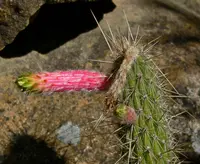
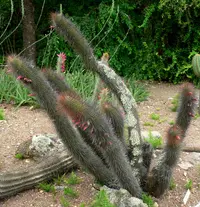
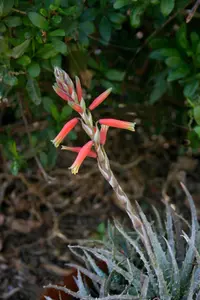
Cleistocactus smaragdiflorus, commonly called firecracker cactus, is a columnar cactus known for its narrow, upright stems and bright tubular flowers. The blooms often appear in warm red or orange tones along the sides of the stems, giving a spark-like effect.
This species is native to high, dry regions of Bolivia and Argentina, where it grows in rocky, well-drained habitats with strong sun. Its drought tolerance and slow, steady growth habit usually make it manageable for indoor growers.
With good light, a gritty, fast-draining cactus mix, and careful watering, it stays compact and healthy. Understanding how to care for Firecracker Cactus mainly means avoiding excess moisture and providing enough sun.

Care Difficulty
Easy Care

Light Preference
Full Sun

Water Requirements
Low Water

Temperature Preference
Warm Climate

Hardiness Zone
9–11

Soil Texture
Sandy, Loamy, Rocky

Soil pH
Slightly acidic (6.5–7.0), Neutral (7.0)

Soil Drainage
Well-drained

Fertilization
Minimal (feed rarely)
Scan your plant to receive care tips personalized for your specific plant
Available on iOS and Android
This cactus thrives in bright, direct light but benefits from gradual sun exposure changes.
Watering Cleistocactus smaragdiflorus focuses on deep soaking followed by thorough drying.
This species prefers warm, dry conditions with protection from frost and extreme heat.
This cactus prefers dry air and rarely needs extra humidity.
Use a very fast-draining, gritty mix to prevent root rot in containers or dry gardens.
This species is well suited to container growing when the pot supports its tall, columnar stems.
Cleistocactus smaragdiflorus benefits from light, controlled feeding during its active spring–summer growth.
Pruning Cleistocactus smaragdiflorus is minimal and mainly for health and safety.
Container-grown plants need infrequent but careful repotting to maintain healthy roots and stable stems.
Cleistocactus smaragdiflorus is commonly propagated from stem cuttings and sometimes from seed.
This cactus prefers cool, dry winter conditions and is only lightly frost tolerant.

Plant Health Check
Not sure what's wrong with your plant? Check your plant's health inside the app.
This species produces slender, emerald-green tubular flowers with contrasting reddish or orange tips, an unusual color combination among cacti that makes the blooms highly visible to its native pollinators.
In its native Andean range of Argentina and Bolivia, the long, narrow flowers are shaped for hummingbird pollination, matching the birds’ beak length and encouraging cross-pollination in exposed mountain habitats.
This cactus naturally grows on rocky slopes at relatively high elevations, so it tolerates cooler, drier air than many desert cacti, provided the roots stay dry in cold conditions.
Lack of blooms often comes from insufficient light, no cool dry winter rest, or heavy fertilizing. Provide bright conditions, a slightly cooler, drier winter, and avoid high-nitrogen feed to support flower bud formation.
Keep your plants happy and healthy with plant identification, disease detection, and easy care guidance.