Oreocereus leucotrichus Care

Oreocereus leucotrichus

About Oreocereus leucotrichus

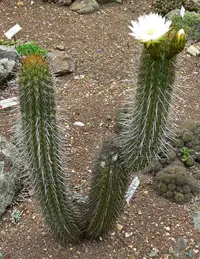
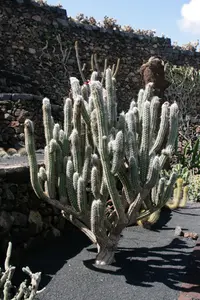
Oreocereus leucotrichus, often called the old man of the mountain cactus, is a columnar cactus known for its dense white hairs and upright stems. The woolly covering protects it from strong sun and temperature swings in its native high Andes habitats of Peru and Bolivia.

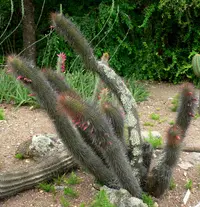
Plants grow slowly, forming tall, ribbed columns with sparse spines hidden under the hair. They suit bright, dry indoor spots or protected outdoor areas in warm climates.

A well-draining, gritty soil mix and careful watering make it relatively simple to care for Oreocereus leucotrichus, as long as overwatering is avoided.

Main Plant Requirements

Care Difficulty

Easy Care

Light Preference

Full Sun

Water Requirements

Low Water

Temperature Preference

Warm Climate

Hardiness Zone

9–11

Soil Texture

Sandy, Loamy, Rocky

Soil pH

Slightly acidic (6.5–7.0), Neutral (7.0)

Soil Drainage

Well-drained

Fertilization

Minimal (feed rarely)

Get Personalized Care Plan

Scan your plant to receive care tips personalized for your specific plant

Available on iOS and Android

How to Care for the Oreocereus leucotrichus

This high-altitude cactus thrives in bright, intense light similar to its native Andes habitat.

  • Provide 6–8 hours of direct sun daily outdoors; in hot inland climates, give strong morning sun with light afternoon shade after 2–3 p.m.
  • Gradually acclimate plants moved from shade to full sun over 10–14 days to prevent bleaching or brown scorch patches on the wool and skin.
  • In winter, ensure the brightest possible exposure; prolonged low light leads to thin, stretched growth on Oreocereus leucotrichus.

Watering should mimic an arid mountain climate with thorough but infrequent moisture.

  • Allow the top 5–8 cm of soil to dry completely before watering, then soak the root zone once, letting excess drain away quickly.
  • During active growth in spring–summer, expect deeper watering every 2–4 weeks, guided by dry soil and slightly flexible, firm stems rather than a fixed schedule.
  • In fall–winter, keep almost dry; soft, yellowing, or blackened tissue indicates overwatering, while deep wrinkling and dull, deflated ribs signal underwatering.

This species prefers warm, dry air but tolerates a notable temperature range when kept dry.

  • Aim for 65–80°F (18–27°C) during active growth, with cooler, drier nights that mirror high-altitude desert conditions.
  • Protect from frost; brief dips to 25–28°F (-4 to -2°C) may be survived if totally dry, but tissue damage is likely below 30°F (-1°C).
  • In heat waves above 95°F (35°C), increase airflow and provide light afternoon shade to prevent sunscald and overheating of roots and potting mix.

This cactus prefers dry air and does not require added humidity.

  • Target 20–40% humidity, similar to a dry indoor room or sheltered outdoor spot.
  • Dry air is well tolerated; prolonged humidity above 60% increases risk of rot around the stem base.
  • Warn­ing signs include lingering damp wool, musty smell, or blackening at the soil line rather than wilting.
  • Increase airflow instead of humidity by spacing plants, using a fan, and avoiding enclosed, steamy rooms.

Use a very fast-draining, mineral-heavy mix to keep the roots dry between waterings.

  • Aim for a gritty, sandy structure with at least 60–70% mineral components such as coarse sand, pumice, and small gravel.
  • Blend 1 part cactus potting mix with 2–3 parts mineral amendments like pumice, perlite, and crushed lava rock for aeration.
  • Keep pH slightly acidic to neutral, around 6.0–7.0, avoiding heavy lime additions unless your tap water is very soft.
  • Avoid peat-heavy, compacted, or moisture-retentive mixes, which hold water around the roots and quickly lead to rot in Oreocereus leucotrichus.

This species is highly suitable for container growing due to its slow, upright habit.

  • Choose a heavy terracotta or ceramic pot to balance the tall, top-heavy stems in windy or high-traffic areas.
  • Select a pot that is just 2–5 cm wider than the root ball to limit excess wet substrate after watering.
  • Fill the lower 1–2 cm of the pot with coarse gravel or large pumice to speed water exit toward the drainage holes.

This cactus needs only light feeding to support slow, healthy growth in pots.

  • Use a diluted balanced cactus fertilizer (for example 10-10-10) or low-nitrogen slow-release product at 1/4–1/2 strength.
  • Feed Oreocereus leucotrichus once per month in spring–summer when actively growing, never on dry soil.
  • Skip feeding in fall–winter to respect dormancy and reduce risk of root rot or weak, stretched growth.
  • Avoid rich composts or frequent feeding, which can cause soft tissues and make plants prone to disease.

Pruning needs are minimal and focus on cleanliness and safety rather than shaping growth.

  • In late spring or summer, remove only clearly dead, rotting, or diseased stems using clean, sharp pruning shears or a knife.
  • Cut as close to the damaged tissue as possible without injuring healthy ribs to maintain the plant’s natural columnar form.
  • Use tongs or thick gloves to avoid injury from spines when handling stems or removing debris around the base.
  • Disinfect tools before and after use with isopropyl alcohol to limit spread of fungal or bacterial issues.

Container-grown plants appreciate occasional repotting to refresh soil and manage root space.

  • Check every 3–4 years; repot when roots circle the pot, emerge from drainage holes, or growth slows despite good light.
  • Plan repotting in late spring, allowing the plant a full warm season to reestablish and resume growth.
  • Choose a pot only 2–5 cm wider with excellent drainage and use a very gritty cactus mix to limit moisture retention.
  • Keep roots as intact as possible, allow any broken roots to dry 1–2 days before watering, then water lightly to reduce stress.

Propagation is usually done from seed and requires patience and stable warm conditions.

  • Sow fresh seeds of Oreocereus leucotrichus in late spring in a sterile, very gritty seed mix with only a thin soil covering.
  • Maintain 70–80°F, bright indirect light, and lightly moist (not wet) substrate until germination, then increase ventilation.
  • For how to take care of Oreocereus leucotrichus from seed, gradually acclimate seedlings to stronger light as they mature.
  • Avoid very high humidity and standing water, which increase damping-off, a fungal disease that kills young seedlings at soil level.

This high-altitude cactus prefers a cool, dry rest in winter and limited moisture.

  • Mature plants tolerate brief drops near 20–25°F if completely dry, but extended freezes increase tissue damage risk.
  • In cold climates, grow in containers and move indoors to a bright, cool room (40–50°F) before hard frost.
  • Keep soil almost completely dry in winter; water only enough to prevent severe shriveling of stems.
  • Ensure good airflow and no contact with freezing windows to avoid localized cold damage on outer ribs.

Care Tips

Rotate for symmetry

Turn the pot 90° every 3–4 weeks so the column develops evenly and does not lean toward the light source as it matures.

Protect wool from wet

When watering, pour directly onto the soil and avoid wetting the white hairs to reduce the risk of hidden rot and fungal spotting inside the dense wool.

Use heavy containers

Plant in a wide, heavy terracotta or stone pot to counterbalance the tall column and reduce the chance of tipping as the plant gains height.

Gradual outdoor hardening

If moving outdoors for summer, increase sun and wind exposure over 10–14 days to prevent sun scorch on the stem and stress to the fine hair covering.

Monitor base firmness

Check the stem base every month by gently pressing with a finger; any softening or shriveling at the soil line is an early sign to improve drainage and adjust watering when caring for Oreocereus leucotrichus.

Common Pests and Diseases

Mealybugs

This pest hides in the woolly hairs and between ribs, sucking sap and weakening the cactus over time. Symptoms include white cottony clusters, slowed growth, and sticky honeydew on nearby surfaces.

Solution

Isolate the plant, then dab visible mealybugs with cotton swabs dipped in 70% isopropyl alcohol, taking care to work the swab gently into the wool. For larger infestations, use repeated applications of an alcohol-water spray or a labeled systemic insecticide for cacti, and improve light and airflow to reduce reinfestation risk.

Spider mites

These insects favor hot, very dry conditions and can live deep in the hair, causing subtle damage to the green tissue beneath. Symptoms include fine webbing, a dusty look to the wool, and tiny pale speckling or bronzing of the stem when hair is parted.

Solution

Rinse the plant thoroughly with a firm but gentle stream of water, directing it into the wool to dislodge mites without damaging spines. Follow with repeated applications of insecticidal soap or a horticultural oil labeled for succulents, and slightly increase ambient humidity and airflow while keeping the soil on the dry side.

Scale insects

This pest appears as small, hard, brown or tan bumps on the stem surface, often hidden under the hair. Symptoms include localized yellowing, poor vigor, and sticky residue near the plant.

Solution

Scrape or peel off individual scales carefully with a toothpick or soft brush, then wipe the affected areas with 70% isopropyl alcohol to remove remaining juveniles. For persistent cases, apply a systemic insecticide suitable for cacti and monitor regularly, especially near areoles and the base of the plant, as part of long-term Oreocereus leucotrichus care instructions.

Corky stem lesions

This disease is typically caused by opportunistic fungi or bacteria entering through small wounds, especially where dense hair traps moisture. Symptoms include rough, brown, cork-like patches that may slowly expand but remain mostly dry and firm.

Solution

Improve light, airflow, and watering practices to keep the stem surface drier and avoid wetting the wool whenever possible. If lesions spread or soften, cut away affected areas with a sterile blade, allow the wound to dry and callus in bright, dry conditions, and consider applying a sulfur-based fungicidal dust to the cut surface.

Soft bacterial rot

This disease affects overwatered or physically damaged tissue, especially at the base or in hidden areas under the hair. Symptoms include sudden softening, a water-soaked appearance, collapse of tissue, and often a foul odor.

Solution

At the first sign of soft, smelly tissue, cut out all affected parts well into healthy, firm tissue with a sterile knife and discard infected material. Allow the plant to dry in a warm, airy place until cut surfaces are fully callused, then replant in a very well-draining cactus mix and reduce watering frequency to prevent recurrence.

Interesting Facts

High-altitude specialist

This species is native to high Andean slopes of southern Peru and northern Chile, where it grows in rocky, extremely arid habitats at elevations often above 3,000 m, tolerating strong sun, cold nights, and large temperature swings.

Insulating white hairs

The dense white wool-like hairs and bristles act as a protective envelope that reflects intense UV radiation, reduces water loss by trapping a layer of still air, and buffers the stem tissues against rapid temperature changes.

Slow but long-lived

In habitat and cultivation this cactus grows slowly, forming columnar stems over many years, and individual plants can persist for decades under stable, dry conditions, which is important context for anyone learning how to take care of Oreocereus leucotrichus.

Botan icon

Did you know?

The striking white hair cover of this cactus is so adapted to its high Andean environment that wild plants can be almost completely hidden after occasional snowfalls, effectively camouflaging them against both cold and visual detection in their rocky, high-altitude terrain.

FAQs about Oreocereus leucotrichus

Growth is slow to moderate. In good conditions it may add around 2–5 cm per year, sometimes a bit more when young. Cooler winters, sparse watering, and slightly crowded roots usually keep height increases quite modest.

Grow Healthy Plants with Botan Care

Keep your plants happy and healthy with plant identification, disease detection, and easy care guidance.

Botan plant care app — identify plants on mobile

Explore More Plants