Encourage Dense Clumps
Rotate the pot a quarter turn every 2–3 weeks during active growth so all stems receive similar light, which keeps the plant compact and prevents stems from stretching toward one side.

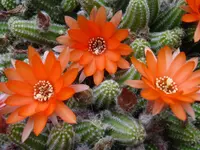
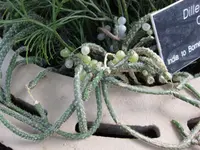
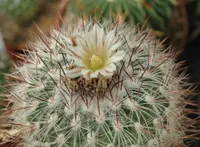
Peanut cactus, Chamaecereus silvestrii, is a small clustering cactus known for its many finger-like stems that resemble a bundle of peanuts. It stays compact and forms dense mats over time.
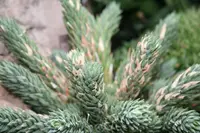
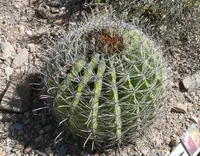
This species comes from the highlands of Argentina, where it grows in bright, cool, and relatively dry conditions. Its stems are lined with short, soft spines and it often produces vivid orange to red flowers in spring or early summer.
Chamaecereus silvestrii is considered an easy plant for beginners because it grows slowly, tolerates short periods of neglect, and adapts well to containers. To care for peanut cactus, provide strong light, fast-draining soil, and careful watering that avoids staying wet for long periods.

Care Difficulty
Easy Care

Light Preference
Full Sun

Water Requirements
Low Water

Temperature Preference
Warm Climate

Hardiness Zone
9–11

Soil Texture
Sandy, Loamy, Rocky

Soil pH
Slightly acidic (6.5–7.0), Neutral (7.0)

Soil Drainage
Well-drained

Fertilization
Minimal (feed rarely)
Scan your plant to receive care tips personalized for your specific plant
Available on iOS and Android
Chamaecereus silvestrii thrives in bright conditions that mimic high-elevation sun with some protection from extremes.
Watering for this cactus should reflect an arid-climate rhythm with thorough soakings and clear drying periods.
Temperature conditions should reflect a warm growing season and a cooler but not freezing rest period.
This cactus handles typical indoor humidity well and rarely needs special adjustments.
Chamaecereus silvestrii prefers a very fast-draining, mineral-rich substrate that dries quickly between waterings.
This species is well suited to container growing, especially for patios, balconies, and bright windowsills.
This compact cactus benefits from light feeding during active growth but is sensitive to excess nutrients.
Chamaecereus silvestrii needs only light pruning to maintain a compact, healthy clump.
This shallow-rooted cactus prefers slightly tight pots and only occasional repotting.
New plants are most often produced from stem cuttings, though seeds are also possible.
This cactus prefers cool, dry winter rest and is only mildly frost tolerant.

Plant Health Check
Not sure what's wrong with your plant? Check your plant's health inside the app.
This cactus is native to rocky slopes in the Andean foothills of northwest Argentina, where it grows in crevices and shallow soils that experience strong light but relatively cool temperatures compared with many desert cacti.
Its tubular orange-red flowers open mainly in the daytime but retain a faint fragrance into the night, which is thought to help attract crepuscular and nocturnal pollinators such as moths.
It has been widely used in breeding popular epiphyllum-style hybrids called chamaelobivia, contributing its dense clustering habit and prolific flowering to many modern ornamental cultivars.

In cultivation this species can form cushion-like mounds with hundreds of densely packed stems, which in peak flowering can be almost completely covered by blooms, creating a continuous sheet of color that hides most of the green tissue from view.
Lack of blooms usually comes from insufficient winter rest, low light, or excess nitrogen fertilizer. Cooler, drier winter conditions and strong spring light trigger bud formation and will improve flowering over the next growing season.
Keep your plants happy and healthy with plant identification, disease detection, and easy care guidance.