

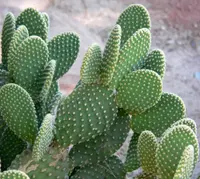

peanut cactus (Chamaecereus silvestrii) Watering Guide

This page explains when, how often, and how much to water peanut cactus in simple, practical terms.

Water Requirements

Low Water

Chamaecereus silvestrii Watering

This compact cactus evolved in rocky, seasonally dry habitats, so it naturally tolerates short dry spells between waterings. Chamaecereus silvestrii prefers soil that dries out somewhat rather than staying consistently moist for long periods.

For indoor pots and outdoor containers, watering peanut cactus follows the same light, infrequent pattern, adjusted to local conditions. Understanding how to water peanut cactus starts with this big-picture view, before fine‑tuning frequency to light, temperature, and potting setup.

Allow the soil to dry out completely before watering again; check that it feels dry at least 1–2 inches (3–5 cm) down. This cactus typically needs water every 2–4 weeks in warm, bright conditions. In cooler rooms or during winter rest, the interval often stretches longer.

Water peanut cactus when the potting mix is completely dry, then soak the root zone once and let it drain fully.

  • Pour water slowly over the soil surface, keeping the segmented stems and crown dry to reduce moisture sitting in crevices.
  • Add enough water so it briefly drains from the bottom holes, confirming the entire root ball is evenly moistened.
  • Empty saucers or cachepots after draining so the roots sit in air, not standing water, between waterings.

Incorrect moisture levels can quickly cause stress and decline in Chamaecereus silvestrii indoors.

Shriveled Stems:

Segment tips wrinkle and thin from chronic underwatering or overly fast-drying, gritty soil mix.

Soft Mushy Segments:

Previously firm stems become soft and translucent from prolonged saturation and suffocating, compacted substrate.

Blackened Stem Bases:

Lower segments darken and collapse as rot develops where wet soil contacts the stem base.

Corky Brown Patches:

Hard, tan scarring appears on sun-exposed sides after watering then returning it to intense light.

Allow soil to dry almost completely between light waterings, especially in cooler, low-light seasons.

Unsuitable watering habits can stress peanut cactus, weakening its segmented stems and reducing its ability to handle temperature and light changes.

  • Watering by calendar: Following a fixed schedule ignores how fast the mix dries; instead, water only when most of the soil feels completely dry.
  • Dense, moisture-holding soil: Using peat-heavy or compact soil keeps roots wet too long; choose a gritty cactus mix with plenty of mineral material.
  • Letting runoff sit: Leaving water in the saucer keeps the lower roots soaked; empty any excess a few minutes after each watering.

The safest approach is deep, occasional watering into a fast-draining mix, with thorough drying between waterings and no standing moisture left.

  • Spring: Growth resumes; let soil dry almost fully between waterings, then water deeply, especially if light and temperatures are increasing indoors.
  • Summer: In bright, hot conditions, check moisture more often and water when most of the mix is dry, avoiding constant wetness during heat waves.
  • Fall: As nights cool, reduce watering frequency, allowing the root zone to dry more thoroughly to prepare the cactus for semi-dormancy.
  • Winter: Keep nearly dry in cool, bright conditions, giving only light sips if stems noticeably wrinkle or indoor heating dries the mix quickly.

Track Watering. Catch Problems Early

Botan builds a simple watering guide and care steps for your peanut cactus. It also reviews plant photos to help notice early signs of stress or other issues.

Botan plant care app — identify plants on mobile

FAQ

Wait 5–7 days before the first deep drink, allowing cut or disturbed roots to callus and soil to settle. Then resume normal peanut cactus watering only once the potting mix is fully dry.

More Plant Watering Guides

Is Your Watering Routine Hurting Your peanut cactus?

Use Botan to review your watering pattern and adjust it with more confidence.

Watering a plant with a copper watering can
12 Most Wanted Rare Houseplants to Grow at Home

6 min read · 21 Sept 2026

12 Most Wanted Rare Houseplants to Grow at Home

Rare houseplants can turn an ordinary corner in your apartment into a living botanical collection. This guide covers 12 most admired picks, what makes them special, and how to grow them successfully at home.

Plant Recommendations
12 Most Wanted Rare Houseplants to Grow at Home
How To Revive a Dying Plant: 6 Steps To Bring A Plant Back To Life

6 min read · 1 Sept 2026

How To Revive a Dying Plant: 6 Steps To Bring A Plant Back To Life

Drooping leaves and brown tips don't always mean the end, and a weakened plant can often recover with a little help. These six simple steps will help you revive a dying plant and restore its health.

Plant Care
How To Revive a Dying Plant: 6 Steps To Bring A Plant Back To Life
Best Fertilizer for Vegetable Gardens – What to Use for Each Plant

11 min read · 20 Jul 2026

Best Fertilizer for Vegetable Gardens – What to Use for Each Plant

Here, you’ll find the right fertilizer formula for vegetables in your garden. Learn how to adjust feeding correctly throughout the growing cycle, spot nutrient deficiencies by their symptoms, and keep your plants healthy and prolific.

Plant Recommendations
Best Fertilizer for Vegetable Gardens – What to Use for Each Plant