Nighttime water use
As a CAM (crassulacean acid metabolism) cactus, it opens stomata mainly at night to take in CO₂, which reduces daytime water loss and helps it thrive in hot, seasonally dry tropical climates where it is cultivated for fruit.

This page explains when, how often, and how much to water Selenicereus undatus for steady, healthy growth.

Water Requirements
Moderate Water

This cactus prefers its soil to dry between waterings, reflecting its seasonally dry, subtropical habitat. Selenicereus undatus, often called Dragonfruit, handles brief dryness better than prolonged sogginess. Indoor plants usually need more attentive monitoring than those rooted outdoors in the ground.
Understanding this balance is the foundation of watering Dragonfruit correctly. The sections below outline how to water Dragonfruit in typical home conditions.
Water when the top 1–2 inches (3–5 cm) of soil feel completely dry, which typically means about every 7–14 days in warm growing conditions. In hotter, sunnier weather or small pots, this interval usually shortens, while cooler seasons or lower light extend the time between waterings.
Water Dragonfruit when the top 2-3 inches of soil feel completely dry, then hydrate the root zone slowly and evenly.
Incorrect moisture around Selenicereus undatus often leads to stress and growth setbacks indoors or outdoors.
Segment tips fade from green to yellow when soil stays wet, signaling beginning root stress and decline.
Previously firm pads wrinkle and fold when prolonged dryness depletes internal water-storage tissues severely.
Dark, mushy lower joints occur where waterlogged potting mix and poor drainage encourage fungal rot.
Young segments emerge small and pale when inconsistent watering disrupts nutrient uptake and metabolism.
White crust on mix indicates heavy fertilizer and infrequent deep flushing, stressing sensitive roots.
Keep the mix airy, let it partly dry, then water thoroughly rather than frequently and lightly.
Unsuitable watering habits weaken Selenicereus undatus, slowing growth and fruiting by stressing its shallow roots and succulent stems.
The safest approach is light, infrequent watering into a fast-draining setup, guided by soil dryness rather than a rigid schedule.

Plant Water Guide
Learn how much water your plant needs and keep its routine on track
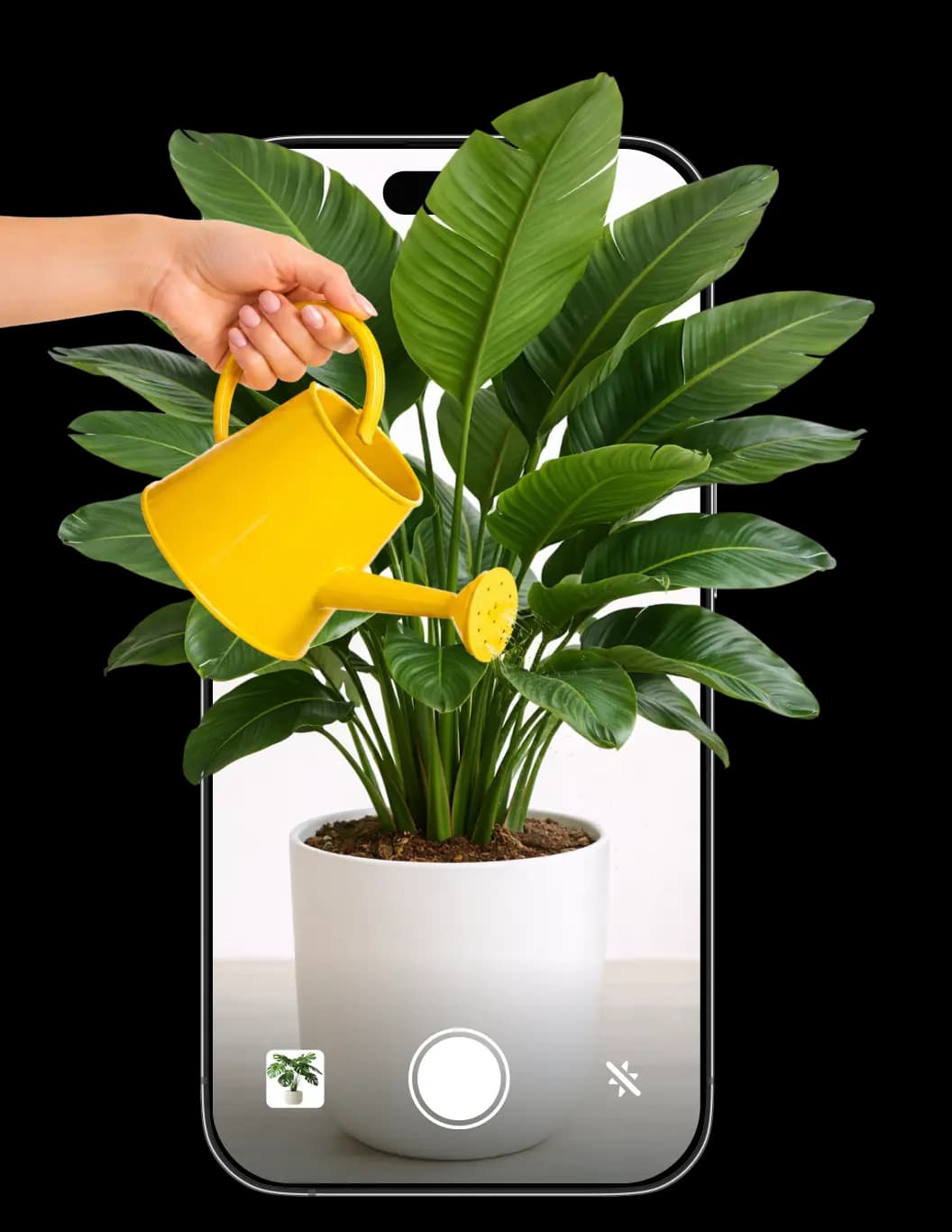
Use Botan for a clear watering guide and simple care steps for Selenicereus undatus, plus gentle photo-based checks that help flag potential leaf, stem, or root issues early.
As a CAM (crassulacean acid metabolism) cactus, it opens stomata mainly at night to take in CO₂, which reduces daytime water loss and helps it thrive in hot, seasonally dry tropical climates where it is cultivated for fruit.
In cultivation across the tropics, commercial growers note that its main flowering flushes often align with the local rainy season, when slightly higher soil moisture supports development of the large buds and water-rich dragon fruits.
In its climbing habit on trees and rocks, the cactus often positions stems where they receive brief, intense tropical rains and dew, while its shallow, wide-spreading roots quickly absorb surface moisture before it evaporates.
Yes. In low light growth slows, so the mix stays wet longer. Let the top 2–3 inches dry out more deeply and check with your finger before watering to avoid root rot.
Botan reviews your watering pattern and suggests balanced, plant-friendly adjustments.
8 min read · 14 Aug 2026
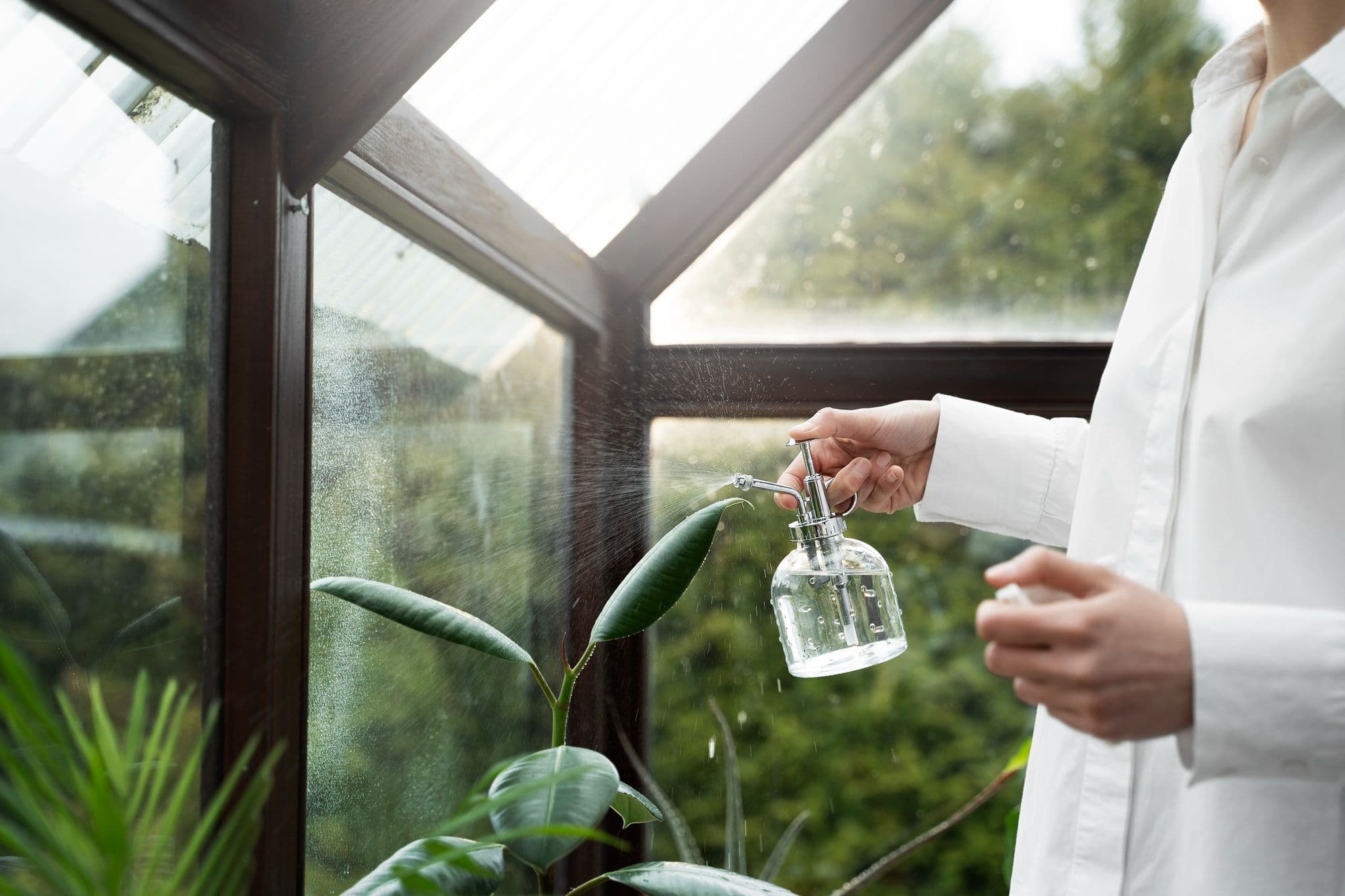
Dry indoor air stresses a lot of houseplants. You usually notice it first in the browning leaf tips. This guide describes 8 simple ways to raise the moisture around your plants, from humidifiers to pebble trays.
8 min read · 14 Jul 2026
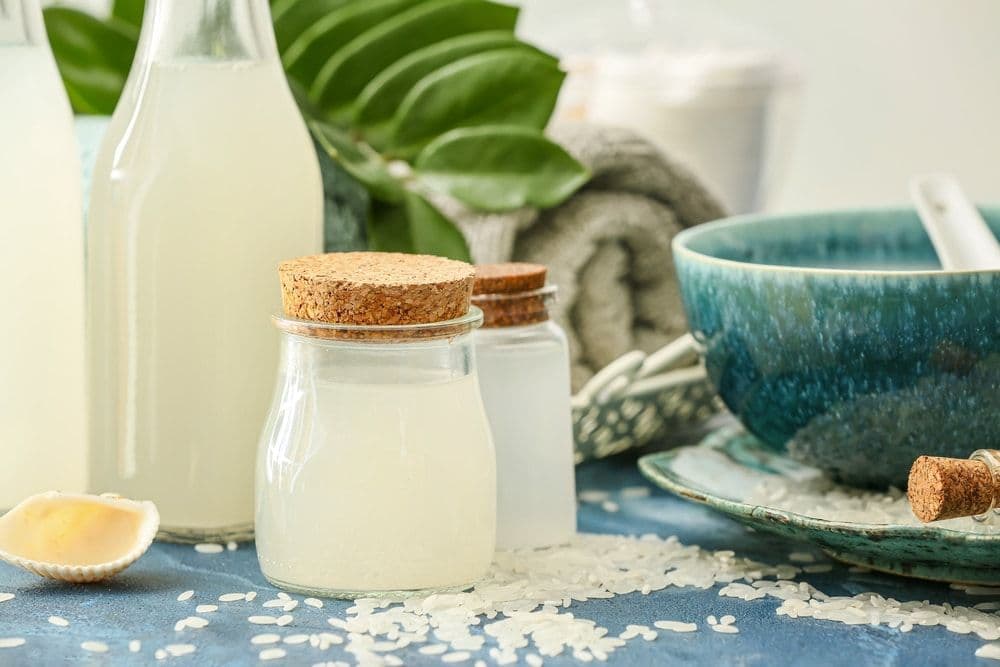
Rice water can be an ideal DIY solution for orchids, roses, or fruiting plants. It supports growth, leaf count, and height. We’ll share how to make and apply it correctly for your plant.
.jpg&w=2880&q=75)
8 min read · 10 Sept 2026
Discover 10 garden flowers that require minimal care. Learn which characteristics make plants easy to grow and follow tips on how to create a beautiful corner from beginner-friendly blooms on your property.