
6 min read · 19 Aug 2026
How to Tell if a Plant Is Dead
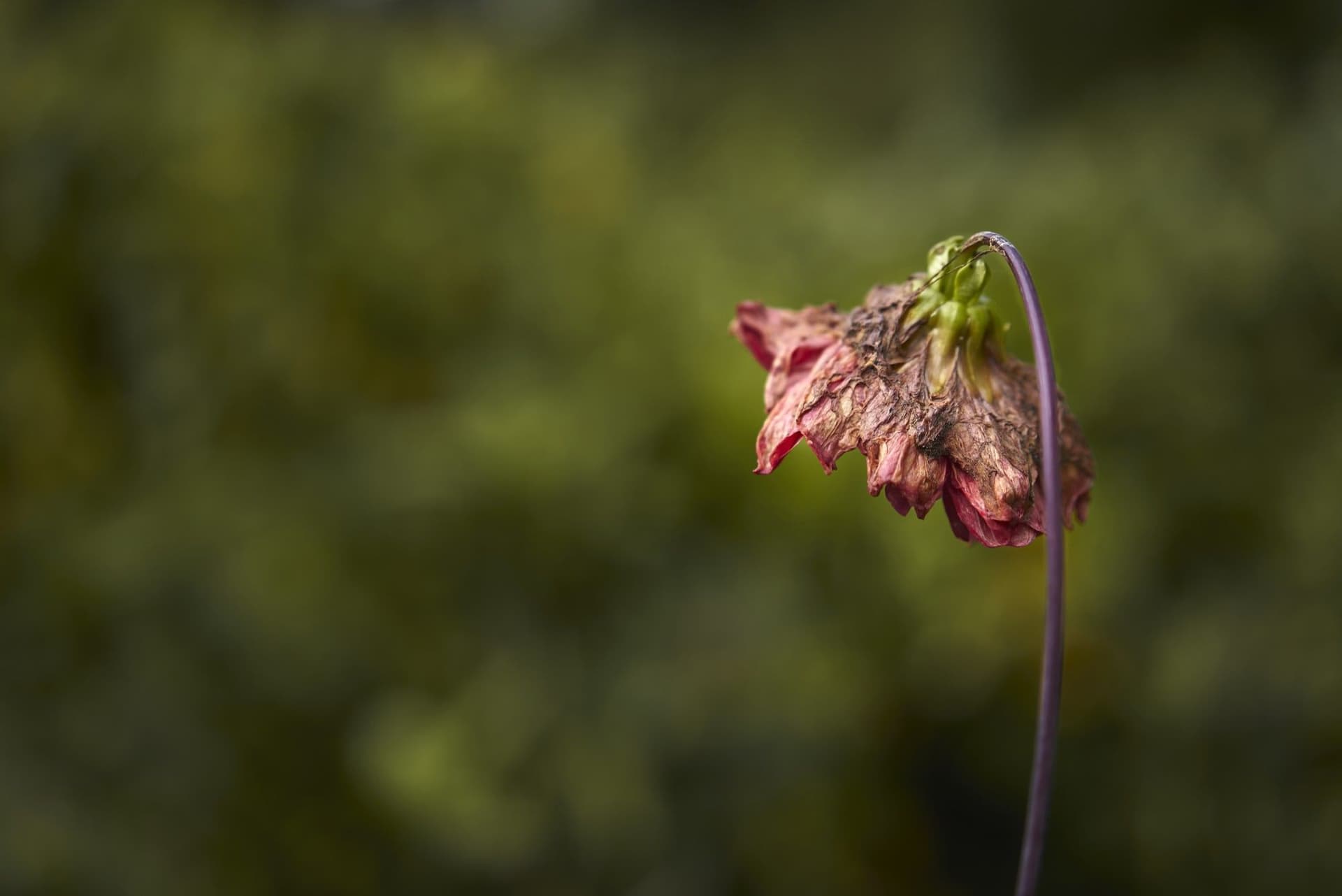
A plant can lose its leaves, stop growing, or collapse and still remain alive. A closer look at the stems, roots, bulbs, and tubers can show whether the plant still has a chance to recover.
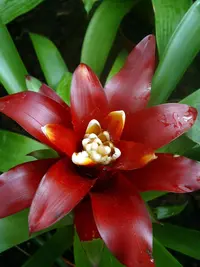
This page explains when, how often, and how much to water Guzmania lingulata in straightforward, practical terms.

Water Requirements
Keep Soil Moist

This bromeliad naturally grows in humid tropical forests, so it relies more on air moisture than heavy root soaking. Guzmania lingulata prefers lightly moist, never soggy, potting mix with a consistently humid environment indoors.
For watering Droophead Tufted Airplant, think gentle, regular moisture rather than deep saturation. Indoor plants usually need more controlled, steady moisture than outdoor plants, which may experience brief, heavier wet periods.
Water when the central cup is no longer holding fresh water and the potting mix around the roots feels just barely damp rather than wet. Guzmania lingulata indoors typically needs refilling and a light root-zone drink every 7–10 days, more often in warm, bright conditions and less in cooler, lower light.
Water Droophead Tufted Airplant when the central cup is nearly empty and potting mix feels barely damp near the roots.
Incorrect moisture levels disturb healthy growth patterns for Guzmania lingulata, stressing leaves and roots.
Brown, foul-smelling water sitting in the leaf tank indicates stagnant moisture and bacterial or fungal growth.
Wilting foliage with a wobbly base usually means dense, soggy mix preventing proper oxygen exchange.
Crisp, browning edges often point to underwatering, low humidity, or prolonged drying between waterings.
Light-green, elongated foliage can result from consistent overfilling of the tank and poor drainage.
Keep the center cup lightly filled, roots in airy media, and avoid prolonged saturation or dryness.
Unsuitable watering habits can gradually weaken Droophead Tufted Airplant, making Guzmania lingulata more vulnerable to stress, pests, and skipped care.
Aim for briefly moist, well-drained conditions, letting the central cup stay refreshed while the roots experience regular but gentle drying periods.

Is It Time to Water?
See whether your plant is ready for watering or needs more time to dry.
Botan builds a clear watering guide and simple care steps for your Guzmania lingulata, and can also flag emerging issues from a quick photo before they become serious problems.

Indoors, refill the central cup with fresh, non-chlorinated water about once a week and flush it monthly. Lightly moisten, not soak, any potting mix, then let it nearly dry before watering again. Adjust based on humidity.
Use Botan to review your watering pattern and adjust it with confidence.


6 min read · 19 Aug 2026
A plant can lose its leaves, stop growing, or collapse and still remain alive. A closer look at the stems, roots, bulbs, and tubers can show whether the plant still has a chance to recover.

9 min read · 17 Jul 2026
Dill is an easy-to-grow plant that gets along well with many vegetables. This guide describes 15 plants that can be planted alongside it, a few to avoid, and mistakes that can quietly sabotage the entire process.

7 min read · 22 Jul 2026
Curious which fruits the world actually eats the most? Here's the top-20 by production volume, an overview of what people choose in each region, and a few figures that defy common assumptions.