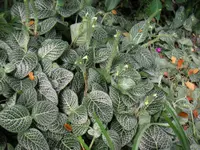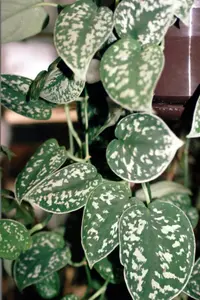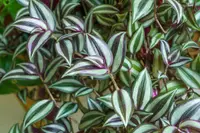
Wandering Jew (Tradescantia zebrina) Watering Guide

This page explains when, how often, and how much to water Tradescantia zebrina for basic everyday care.

Water Requirements

Moderate Water

Tradescantia zebrina Watering

This guide outlines watering Wandering Jew as a fast-growing foliage plant mostly grown indoors. In its native warm regions, Tradescantia zebrina often experiences brief rain followed by light drying, so soil moisture naturally fluctuates.

Indoors, it prefers slightly moist soil that never stays soggy, with gentle drying between waterings. Outdoors in beds, rainfall usually provides enough moisture, while containers dry faster and need closer attention.

Water when the top 1–2 inches (3–5 cm) of soil feel dry, as Tradescantia zebrina dislikes staying soggy. Indoors, this typically means watering about once a week in bright light, stretching longer in lower light or cooler rooms. Outdoor summer heat can shorten the interval noticeably.

Water Wandering Jew when the top 1-2 inches (3-5 cm) of soil feel dry, using slow, even watering over the root zone.

  • Pour room-temperature water over the soil surface, circling the pot so moisture spreads evenly through the entire root area.
  • Continue watering until liquid drains freely from the pot’s holes, confirming the soil is thoroughly moistened without remaining waterlogged.
  • Empty saucers or cachepots within 10-15 minutes so roots sit in moist, not standing, water.
  • Keep water directed at the soil, avoiding heavy splashing on foliage and stems to reduce lingering surface moisture.

Incorrect moisture levels often trigger stress symptoms in Tradescantia zebrina and weaken overall growth.

Yellowing Lower Leaves:

Older foliage turns uniformly yellow and drops early after repeated watering before the potting mix dries.

Wilting With Wet Soil:

Stems feel soft and droopy while the pot feels heavy, indicating saturated, oxygen-poor roots.

Brown Crispy Leaf Tips:

Leaf edges dry, crisp, and curl from prolonged dryness or salt buildup in poorly flushed soil.

Mushy Roots And Stems:

Base of cuttings darkens and softens when dense, waterlogged soil prevents adequate drainage.

Let the top soil dry slightly between thorough waterings, avoiding both prolonged drought and saturation.

Poor watering habits easily stress Tradescantia zebrina, reducing its dense, colorful growth and shortening the life of each trailing stem.

  • Watering by calendar: Following a fixed schedule instead of checking soil moisture can keep the mix soggy; test the top layer and water only when it feels dry.
  • Heavy, compacted soil: Using dense garden soil traps water around the roots; choose a light potting mix with added perlite for faster drainage.
  • No drainage or saucer pooling: Keeping the plant in a pot without holes or leaving runoff in the saucer prolongs saturation; empty excess water promptly.

Aim for consistent, moderate moisture in a fast-draining mix, guided by how quickly the top soil actually dries between waterings.

  • Spring: Growth usually speeds up, so check soil more often and water once the top layer feels dry, avoiding soggy conditions.
  • Summer: Heat and bright light can dry pots quickly; expect more frequent watering but keep drainage strong to prevent root rot.
  • Fall: As light and growth slow, let the soil dry a bit deeper before watering, especially in cooler indoor rooms.
  • Winter: With shorter days and slower growth, reduce watering and allow the top half of the potting mix to dry between drinks.

Stop Guessing — Water Smarter with Botan

Use Botan for a clear watering guide and simple care procedures for Tradescantia zebrina, plus gentle photo-based checkups that can flag early signs of stress or common plant issues.

Botan plant care app — identify plants on mobile

Interesting Watering Facts

Moisture‑loving yet drought‑tolerant

In its native range from Mexico to Central America, Tradescantia zebrina often grows in humid, seasonally moist sites but survives dry spells by slowing growth and shedding older leaves, which explains why it tolerates missed waterings indoors yet looks fuller with steady, moderate moisture.


Adventitious roots for water access

Tradescantia zebrina forms many adventitious roots along its creeping stems, allowing each node that touches a damp surface to take up water quickly, which is why cuttings root so easily in either water or lightly moist substrate.

Succulent‑like water storage

Although not a true desert succulent, Tradescantia zebrina has slightly thick, fleshy stems and leaves that store some water, making it prone to rot if kept in constantly wet soil but able to recover relatively fast after short dry periods.

FAQ

Yes. In lower light, growth slows and the potting mix stays wet longer. Let the top 1–2 inches (3–5 cm) dry more thoroughly and check the soil before deciding how often to water.

More Plant Watering Guides

Is Your Watering Routine Hurting Your Wandering Jew?

Botan reviews your watering pattern and highlights when adjustments could improve moisture balance.

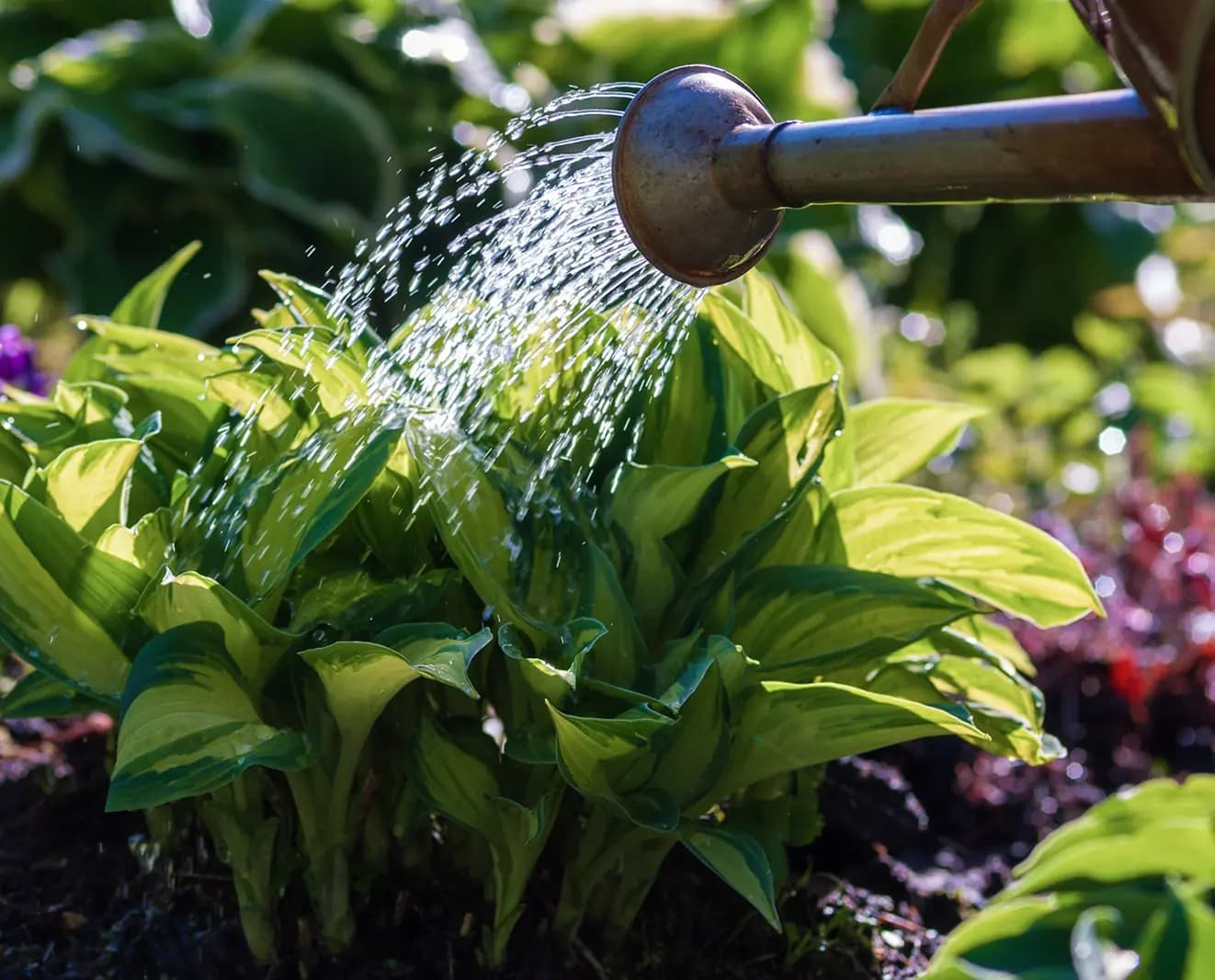
Watering a plant with a copper watering can
20 Most Popular Fruits Around the World

7 min read · 22 Jul 2026

20 Most Popular Fruits Around the World

Curious which fruits the world actually eats the most? Here's the top-20 by production volume, an overview of what people choose in each region, and a few figures that defy common assumptions.

Plant Recommendations
20 Most Popular Fruits Around the World
Top 15 Fast-Growing Trees For Your Garden

13 min read · 28 Jul 2026

Top 15 Fast-Growing Trees For Your Garden

Learn which of the 15 fastest-growing trees will suit your area. We’ll share detailed information on each: growth rate, mature spread, key tree demands, and main vulnerabilities. Read on and make the best choice possible.

Plant Recommendations
Top 15 Fast-Growing Trees For Your Garden
Best Water for Plants – How to Choose the Right Type

7 min read · 13 Aug 2026

Best Water for Plants – How to Choose the Right Type

Rainwater, filtered, distilled, and tap water affect plants differently. Learn which types support healthy growth and which cause slow damage. Match each to your plants and discover how to easily improve tap water quality.

Plant Care
Best Water for Plants – How to Choose the Right Type