





Swiss Cheese Vine (Monstera adansonii) Watering Guide

This page explains when, how often, and how much to water Monstera adansonii for steady, healthy growth.

Water Requirements

Moderate Water

Monstera adansonii Watering

This vining houseplant comes from humid tropical forests, where roots experience regular moisture but not constant saturation. Indoors, Monstera adansonii generally prefers lightly moist soil that is allowed to approach dryness between thorough waterings.

A simple approach to watering Swiss Cheese Vine is to respond to how quickly the top soil layer dries in your space. Indoor plants usually need more consistent monitoring than outdoor or patio containers, which may dry faster in warm, exposed locations.

Let the top 1–2 inches (3–5 cm) of soil dry before watering again; this is the most reliable guide for Monstera adansonii. In bright, warm conditions it typically needs water about once a week, while lower light or cooler rooms extend the interval between waterings.

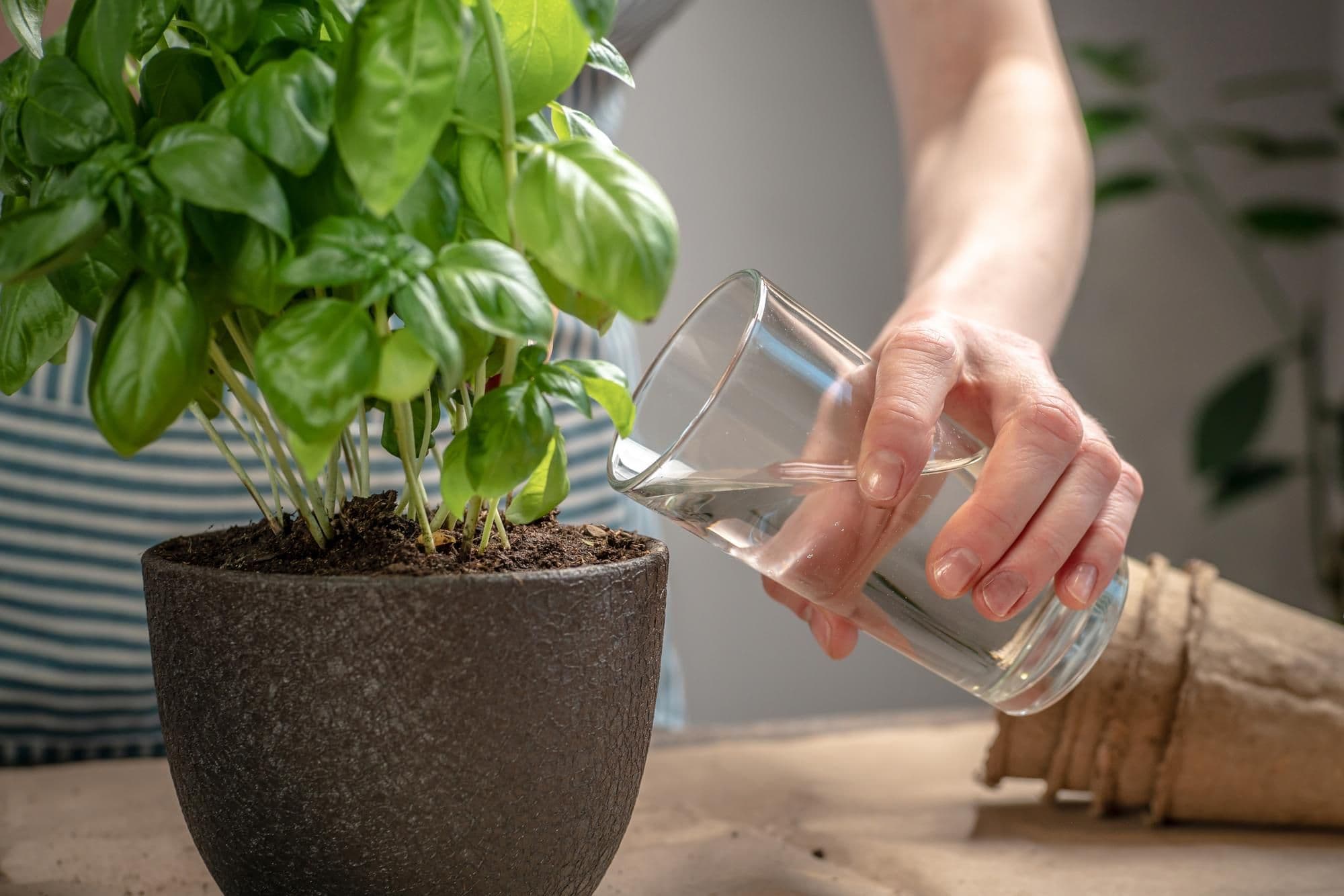
Water Swiss Cheese Vine when the top 1-2 inches (3-5 cm) of soil feel dry, using a slow, thorough soak.

  • Pour room-temperature water slowly over the soil surface, keeping it off the leaves and stems to prevent lingering moisture.
  • Move the stream around the pot so the entire root zone is evenly moistened, not just one side or spot.
  • Continue adding water until it runs from the drainage holes, confirming the full soil column has been reached.
  • Let excess water drain completely, then empty saucers or cachepots so the container does not sit in standing liquid.

Improper moisture balance often triggers health problems for Monstera adansonii grown indoors.

Yellowing Lower Leaves:

Older leaves turn uniformly pale then yellow from persistent overwatering and poorly draining, compacted potting mix.

Brown Crispy Edges:

Leaf margins dry, curl, and crisp when soil stays too dry and indoor humidity remains low.

Wilting With Wet Soil:

Foliage droops despite damp mix, indicating struggling roots from waterlogged substrate and limited aeration.

Mushy Roots And Smell:

Roots feel soft, dark, and foul-smelling after chronic saturation and insufficient drainage holes or aeration.

Pale Slow New Growth:

New leaves emerge smaller and lighter when watering is inconsistent and roots cycle between extremes of saturation.

Maintain lightly moist, airy soil with thorough watering, reliable drainage, and short dry periods between waterings.

Inconsistent or poorly planned watering habits can stress Monstera adansonii, slowing growth and making this Swiss Cheese Vine less resilient.

  • Watering by calendar: Following a fixed schedule instead of checking soil moisture can keep roots too wet or too dry; test the top layer first.
  • Dense, soggy soil: Using heavy, peat-only mixes holds water too long; choose a chunky mix with perlite or bark for faster drainage.
  • Letting saucers fill: Leaving pots sitting in runoff water keeps roots saturated; empty saucers a few minutes after each watering.

Prioritize a free-draining mix, containers that release excess water, and soil checks so watering responds to current conditions.

  • Spring: New leaves and roots form, so soil may dry faster; check moisture more often but still avoid keeping it constantly wet.
  • Summer: In warm, bright rooms evaporation increases, so expect more frequent watering and consider slightly deeper drinks while ensuring good drainage.
  • Fall: Growth gradually slows; extend the time between waterings and let the top layer dry a bit more before watering again.
  • Winter: With cooler temperatures and lower light, growth is minimal; reduce watering and let more of the potting mix dry between waterings.

Your Swiss Cheese Vine Care Companion

Use Botan for a clear watering guide and simple care steps tailored to your Monstera adansonii, plus gentle photo-based checks that help flag early signs of stress or common problems.

Botan plant care app — identify plants on mobile

FAQ

Water when the top 1–2 inches (3–5 cm) of soil feel dry, usually every 5–10 days depending on light, temperature, and pot size. In lower light or cooler rooms, reduce frequency and always check soil first.

More Plant Watering Guides

Is Your Watering Routine Hurting Your Swiss Cheese Vine?

Use Botan to review your watering pattern and adjust it with more confidence.

Watering a plant with a copper watering can
Best Fertilizer for Grass in Summer: How to Choose the Right One

6 min read · 18 Aug 2026

Best Fertilizer for Grass in Summer: How to Choose the Right One

The right fertilizer in summer can make a lawn thrive. The wrong one can damage it. Here, you’ll learn the best NPK ratios by grass type, when and how to apply your formula, and how to recognize the signs of over- or under-fertilizing.

Plant Care
Best Fertilizer for Grass in Summer: How to Choose the Right One
Best Fertilizer for Vegetable Gardens – What to Use for Each Plant

11 min read · 20 Jul 2026

Best Fertilizer for Vegetable Gardens – What to Use for Each Plant

Here, you’ll find the right fertilizer formula for vegetables in your garden. Learn how to adjust feeding correctly throughout the growing cycle, spot nutrient deficiencies by their symptoms, and keep your plants healthy and prolific.

Plant Recommendations
Best Fertilizer for Vegetable Gardens – What to Use for Each Plant
What Do Plants Need to Grow – 5 Things Every Greenery Can't Live Without

8 min read · 31 Jul 2026

What Do Plants Need to Grow – 5 Things Every Greenery Can't Live Without

To keep plants healthy and thriving, provide the right balance of light, humidity, nutrients, airflow, and quality soil. This guide covers the essentials of year-round plant care.

Beginner Guides
What Do Plants Need to Grow – 5 Things Every Greenery Can't Live Without