zucchini (Cucurbita pepo) Watering Guide

This page explains when, how often, and how much to water Cucurbita pepo in a straightforward, practical way.

Water Requirements

Regular Water

Cucurbita pepo Watering

In the garden, Cucurbita pepo benefits from an even moisture supply that reflects its seasonally rainfall-fed origins. Soil should stay lightly moist rather than soggy or dry for long stretches, guiding basic watering zucchini decisions.

Think of how to water zucchini as keeping the root zone steadily supplied, with brief surface drying acceptable between thorough sessions. Container-grown plants usually need closer attention than in-ground plantings, which hold moisture longer and buffer short dry spells.

During active growth, Cucurbita pepo in the ground typically needs watering about every 2–4 days, but timing should follow soil dryness. Water again when the top 1–2 inches (3–5 cm) feel dry and loose. Hot, windy weather or sandy soil generally shortens the interval between waterings.

Water zucchini when the top 1–2 inches (3–5 cm) of soil feel dry, soaking the root zone evenly.

  • Pour water slowly at the base of each plant, keeping stems and leaves as dry as practical to reduce disease pressure.
  • Apply enough water so moisture reaches the full root zone, then stop when soil feels evenly damp but not soupy.
  • Use well-draining soil or raised beds so excess water can drain freely away from the roots after each watering.

Incorrect moisture levels can disrupt Cucurbita pepo growth and trigger multiple stress responses.

Wilting Foliage:

Leaves droop during heat yet remain limp overnight, often from prolonged soil dryness stressing shallow roots.

Yellowing Lower Leaves:

Old leaves yellow and drop when roots alternately dry out and sit in soggy soil.

Fruit End Rot:

Developing fruits show sunken, dark tips when uneven watering disrupts calcium movement within plant tissues.

Powdery Leaf Coating:

White, dusty patches spread on foliage when dense, damp canopies stay poorly ventilated after overhead watering.

Sour, Waterlogged Soil:

Soil smells sour and stems darken at the base when containers or beds drain poorly.

Keep soil evenly moist, not saturated, using deep, infrequent watering adjusted to weather and soil drainage.

Inconsistent or unsuitable watering habits can disrupt Cucurbita pepo growth, reducing flowering, fruit set, and overall productivity in containers or beds.

  • Rigid watering schedule: Watering by calendar instead of checking soil moisture can leave roots stressed; test the top layer and adjust timing seasonally.
  • Poor draining soil: Using dense, heavy mixes keeps roots soggy; choose loose, organic-rich soil that drains well yet still holds moderate moisture.
  • Water left in saucers: Letting pots sit in collected runoff suffocates roots; empty saucers shortly after watering to keep the root zone aerated.

Aim for evenly moist, well-drained soil, guided by feel and weather, rather than fixed routines or standing water conditions.

  • Spring: Increase watering as seedlings and young vines expand, keeping soil consistently moist but never waterlogged during early establishment outdoors or in beds.
  • Summer: Water more deeply and frequently in hot periods, focusing on root zones and mulched soil to offset heat stress and rapid evaporation.
  • Fall: Gradually reduce watering as fruit matures and vine growth slows, allowing the topsoil to dry slightly longer between thorough soakings.
  • Winter: No watering is needed once frost kills annual vines; remove spent plants and keep stored fruits dry, cool, and well ventilated.

Track Watering. Catch Problems Early

Use Botan for a clear Cucurbita pepo watering guide, step-by-step care routines, and gentle photo-based checks that help flag leaf spots, wilting, and other early plant issues.

Botan plant care app — identify plants on mobile

Interesting Watering Facts

Shallow, Wide Rooting

Cucurbita pepo forms a broad, relatively shallow root system that rapidly explores the topsoil for moisture, which is why it responds poorly to brief, light watering but benefits from deeper, less frequent irrigation that moistens the upper 6–12 inches (15–30 cm) of soil.


Sensitive To Wet Foliage

In cultivated C. pepo (summer squash, pumpkins, many gourds), leaves and stems are prone to fungal diseases when they stay wet, so traditional field practice favors furrow or drip irrigation that keeps foliage dry while supplying steady soil moisture.

High Moisture Demand In Fruiting

During rapid fruit enlargement, C. pepo plants show markedly increased water use, and commercial growers often raise irrigation frequency at flowering and early fruit set to reduce blossom-end rot and misshapen fruits linked to irregular soil moisture and impaired calcium movement.

FAQ

Use cool to lukewarm water around 65–75°F (18–24°C). This avoids root shock, supports steady growth, and helps the root system absorb moisture efficiently during regular zucchini watering routines.

More Plant Watering Guides

Is Your Watering Routine Hurting Your zucchini?

Use Botan to review watering patterns and adjust moisture levels more confidently.

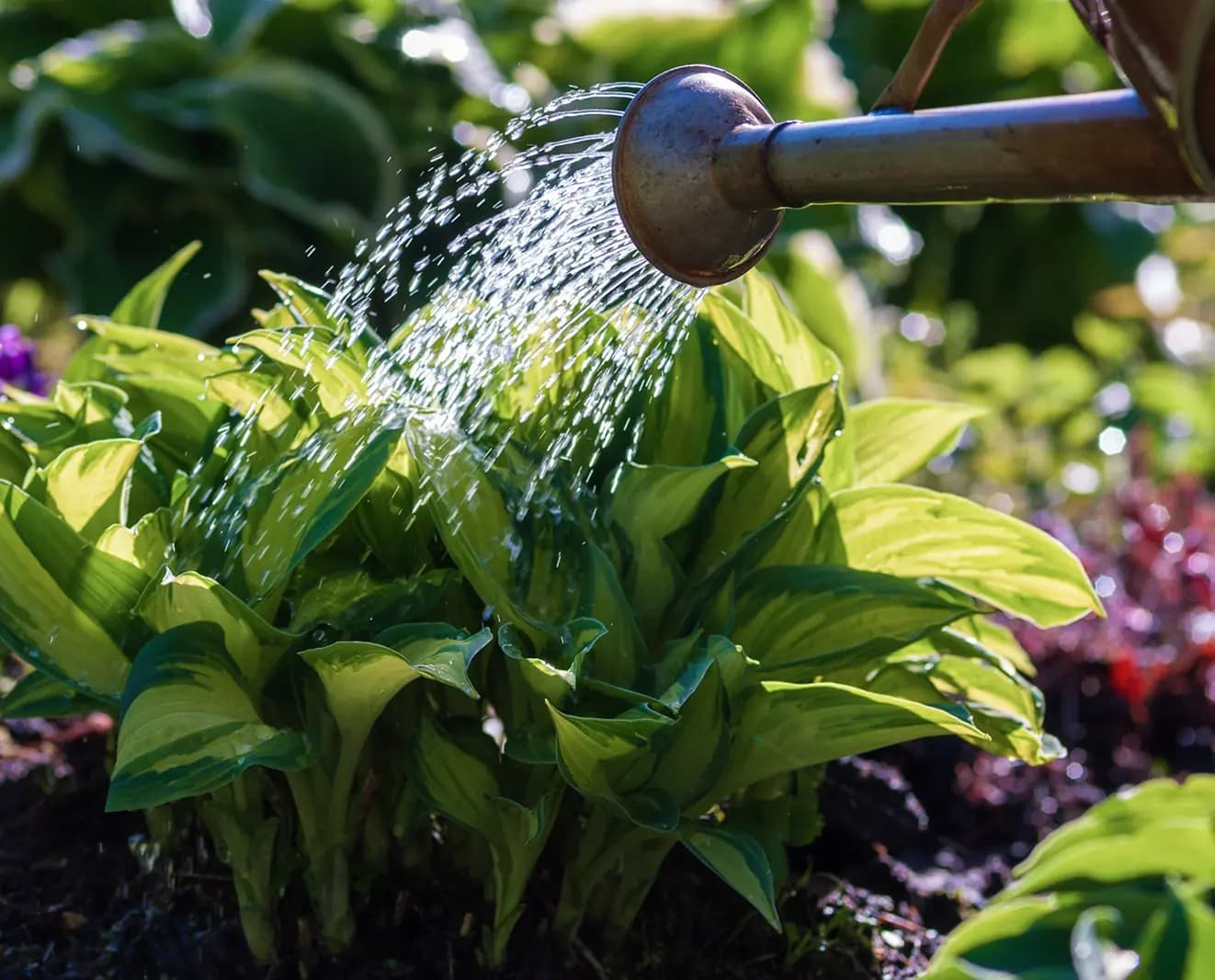
Watering a plant with a copper watering can
Best Fertilizer for Grass in Summer: How to Choose the Right One

6 min read · 18 Aug 2026

Best Fertilizer for Grass in Summer: How to Choose the Right One

The right fertilizer in summer can make a lawn thrive. The wrong one can damage it. Here, you’ll learn the best NPK ratios by grass type, when and how to apply your formula, and how to recognize the signs of over- or under-fertilizing.

Plant Care
Best Fertilizer for Grass in Summer: How to Choose the Right One
12 Most Wanted Rare Houseplants to Grow at Home

6 min read · 21 Sept 2026

12 Most Wanted Rare Houseplants to Grow at Home

Rare houseplants can turn an ordinary corner in your apartment into a living botanical collection. This guide covers 12 most admired picks, what makes them special, and how to grow them successfully at home.

Plant Recommendations
12 Most Wanted Rare Houseplants to Grow at Home
Top 15 Plants That Don’t Need Sunlight

8 min read · 17 Sept 2026

Top 15 Plants That Don’t Need Sunlight

Some plants thrive in dim rooms, shaded corners, and places with indirect light. In this guide, you’ll explore the top 15 species best suited to low-light conditions and how to care for them.

Plant Recommendations
Top 15 Plants That Don’t Need Sunlight