Clematis (Clematis 'Jackmanii') Watering Guide

This page explains when, how often, and how much to water Clematis 'Jackmanii' for reliable, steady growth.

Water Requirements

Regular Water

Clematis 'Jackmanii' Watering

This vigorous climber thrives when soil stays evenly moist but not saturated, reflecting its preference for moderate, regular rainfall. Watering Clematis is about keeping roots cool and lightly moist while the top layer dries slightly between sessions.

Clematis 'Jackmanii' in garden beds usually relies on consistent ground moisture, while containers need closer monitoring. This section outlines how to water Clematis so moisture supports steady growth without stressing the plant.

Water when the top 1–2 inches (3–5 cm) of soil feel dry, using this as the main guide for Clematis 'Jackmanii'. In cool spring and fall, intervals between waterings usually stretch longer, while hot, sunny summer weather often shortens the time before the soil dries again.

Water Clematis when the top 1-2 inches (3-5 cm) of soil feel dry, keeping moisture consistent around the roots.

  • Pour water slowly at the base of the vine, aiming around the main stems rather than over foliage and flowers.
  • Moisten the root zone deeply so water penetrates several inches down, encouraging strong, far-reaching roots in the planting area.
  • Allow excess water to drain freely from containers or beds, ensuring the plant never sits in a water-filled saucer or pocket.
  • After watering, gently break any crusted surface soil so later moisture can soak in instead of running off.

Improper moisture levels can quickly stress Clematis 'Jackmanii', reducing vigor and flowering performance noticeably over time.

Wilting Foliage:

Leaves droop despite moist soil, often from poorly drained roots lacking oxygen and beginning decline.

Yellowing Lower Leaves:

Older leaves turn pale and drop when soil alternates between soggy saturation and dry extremes.

Stunted New Growth:

Short, weak shoots arise when fine feeder roots are damaged by chronic overwatering or drought.

Brown Leaf Edges:

Margins crisp and darken after repeated shallow watering that never moistens deeper root zone properly.

Keep soil consistently moist but never waterlogged, using deep, infrequent soakings in freely draining ground.

Poor watering habits can weaken Clematis 'Jackmanii', reducing flowering and resilience, especially during hot summers and in patio containers.

  • Fixed calendar schedule: Watering on the same schedule regardless of weather or soil moisture can stress roots; instead, check the top soil before watering.
  • Heavy, soggy soil mix: Planting in dense soil that drains slowly keeps roots wet too long; use a loose, compost-rich mix with added grit or bark.
  • Letting saucers stay full: Leaving runoff in saucers bathes roots in stagnant water; empty saucers shortly after watering so excess can escape.

Aim for deep, occasional watering in freely draining soil, guided by actual moisture in the root zone rather than routine alone.

  • Spring: Increase watering as new shoots extend, keeping soil evenly moist but not saturated to support vigorous vine and flower bud development.
  • Summer: Monitor closely in hot, dry periods; water deeply when the top 1–2 inches feel dry, and mulch to keep roots cool.
  • Fall: Gradually reduce watering as growth slows, allowing the upper soil to dry slightly more between waterings while avoiding complete drought.
  • Winter: For in-ground dormant plants, water only during prolonged thawed, snow-free dry spells; container plants may need occasional light moisture checks.

Get Your Clematis Watering Schedule

Use Botan for a clear Clematis 'Jackmanii' watering guide, tailored reminders, and simple care steps, plus gentle photo-based checks to spot emerging leaf, stem, or moisture issues early.

Botan plant care app — identify plants on mobile

FAQ

Soak the root zone thoroughly, letting water penetrate 6–8 inches deep, then drain well. Trim crisp, dead growth, and mulch to slow evaporation. Resume regular Clematis watering once new flexible growth appears and top inch of soil dries.

More Plant Watering Guides

Is Your Watering Routine Hurting Your Clematis?

Botan reviews your watering habits so adjustments are easier and more precise.

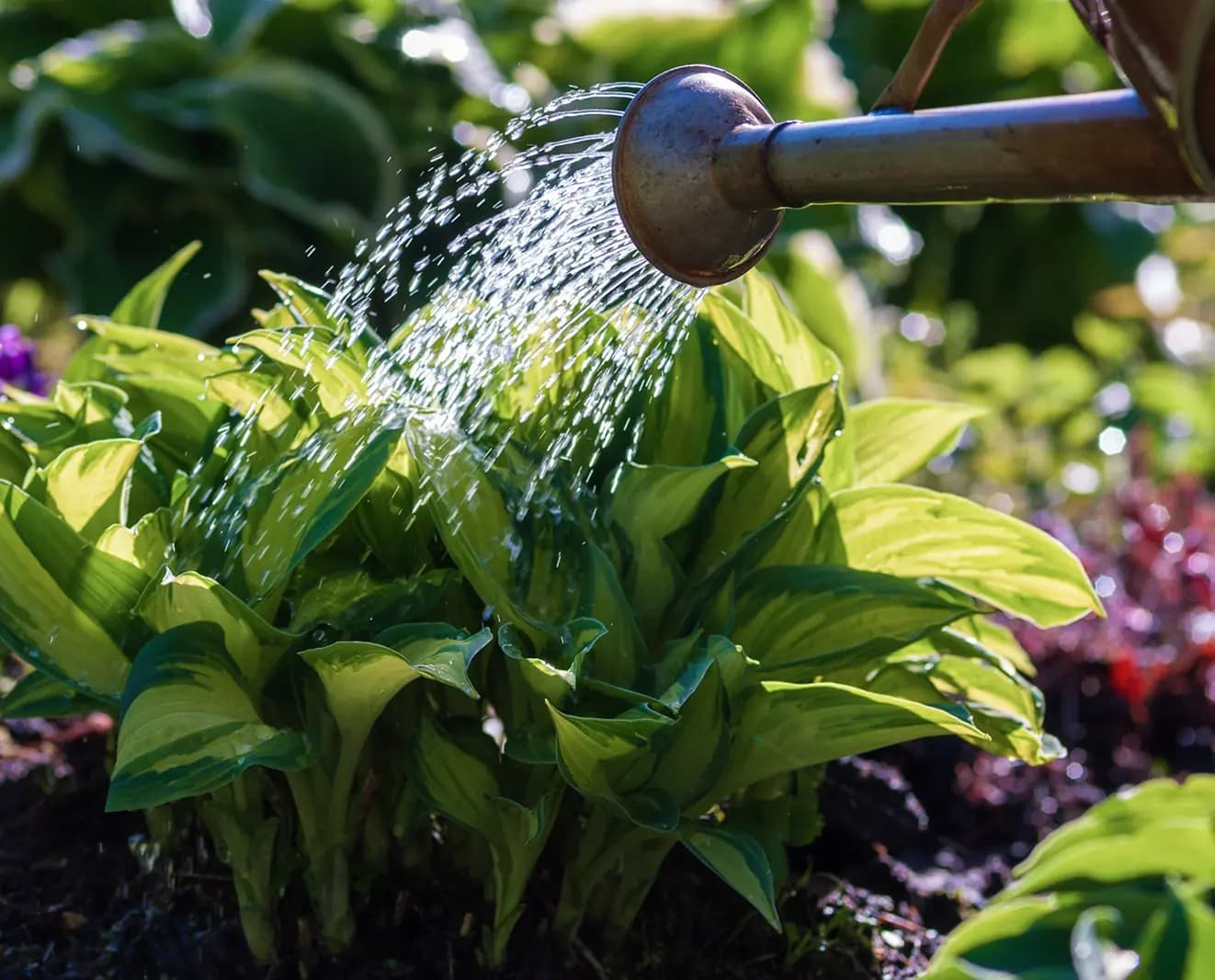
Watering a plant with a copper watering can
10 Easy Garden Flowers to Grow

8 min read · 10 Sept 2026

10 Easy Garden Flowers to Grow

Discover 10 garden flowers that require minimal care. Learn which characteristics make plants easy to grow and follow tips on how to create a beautiful corner from beginner-friendly blooms on your property.

Beginner Guides
10 Easy Garden Flowers to Grow
Frozen vs Fresh Vegetable Nutrients: Which Option Is Healthier?

6 min read · 8 Sept 2026

Frozen vs Fresh Vegetable Nutrients: Which Option Is Healthier?

Frozen and fresh vegetables are nutritionally comparable: frozen produce often retains vitamins just as well as fresh and may sometimes contain more. Here’s how blanching and storage affect nutrients—and when to choose each.

Plant Recommendations
Frozen vs Fresh Vegetable Nutrients: Which Option Is Healthier?
Dill Companion Plants – What to Grow Next to Dill

9 min read · 17 Jul 2026

Dill Companion Plants – What to Grow Next to Dill

Dill is an easy-to-grow plant that gets along well with many vegetables. This guide describes 15 plants that can be planted alongside it, a few to avoid, and mistakes that can quietly sabotage the entire process.

Plant Recommendations
Dill Companion Plants – What to Grow Next to Dill