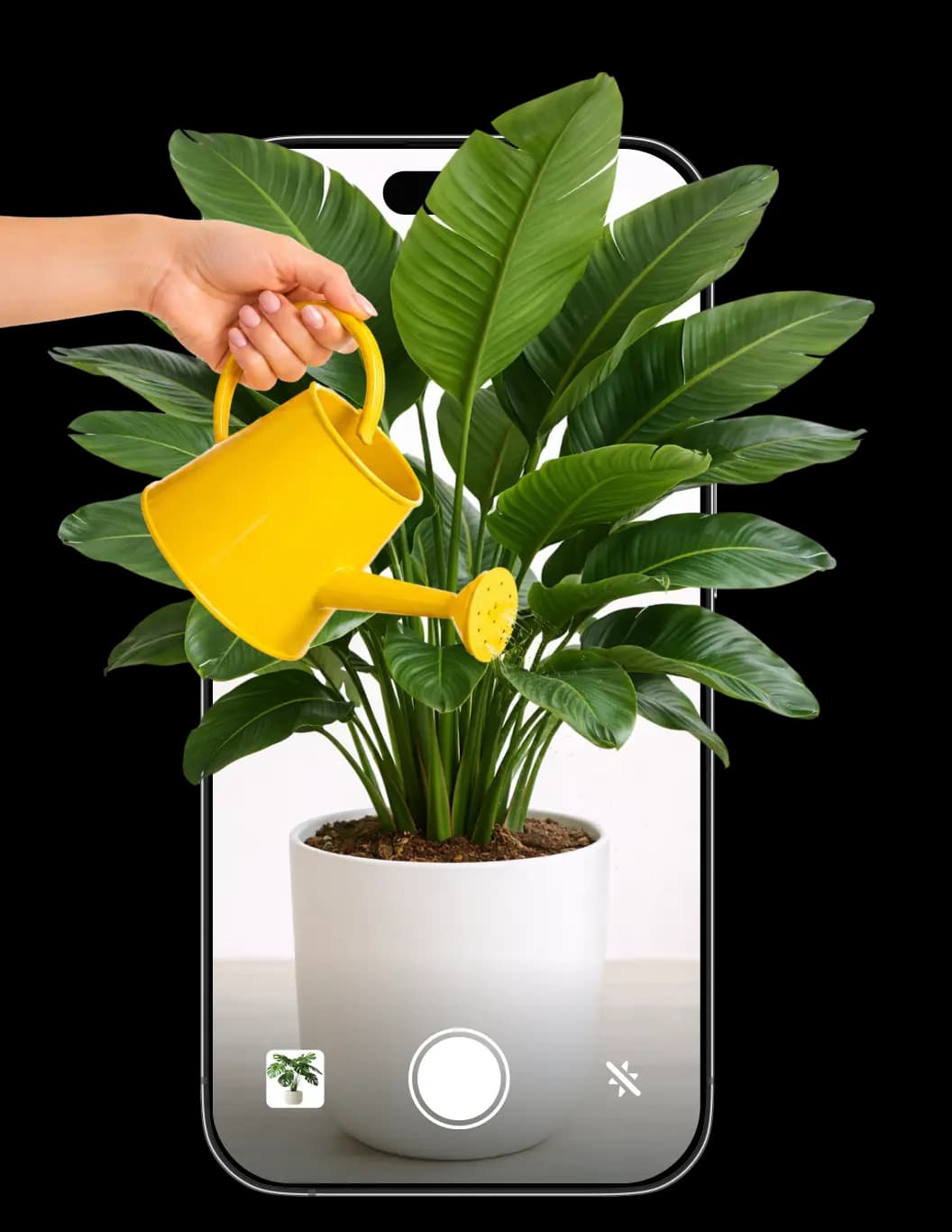
Passion fruit (Passiflora edulis) Watering Guide

This page explains when, how often, and how much to water Passiflora edulis for healthy, consistent growth.

Water Requirements

Regular Water

Passiflora edulis Watering

In warm, seasonally rainy climates, Passion fruit experiences moist soil followed by brief drying spells. Passiflora edulis generally prefers steady moisture, but not a constantly saturated root zone. Outdoor plants usually access deeper, more stable moisture than container-grown vines.

Understanding this balance is the foundation for watering Passion fruit effectively. The basic approach is moderate, regular watering that respects short drying intervals between thorough soakings.

Let the top 1–2 inches (3–5 cm) of soil dry before watering again; the soil should feel dry at that depth but not dusty. Passion fruit in bright sun and summer heat usually needs water more often than in cooler seasons, so expect intervals to shorten during hot, active growth periods.

Water Passion fruit when the top 1–2 inches (3–5 cm) of soil feel dry and slightly lighter in color.

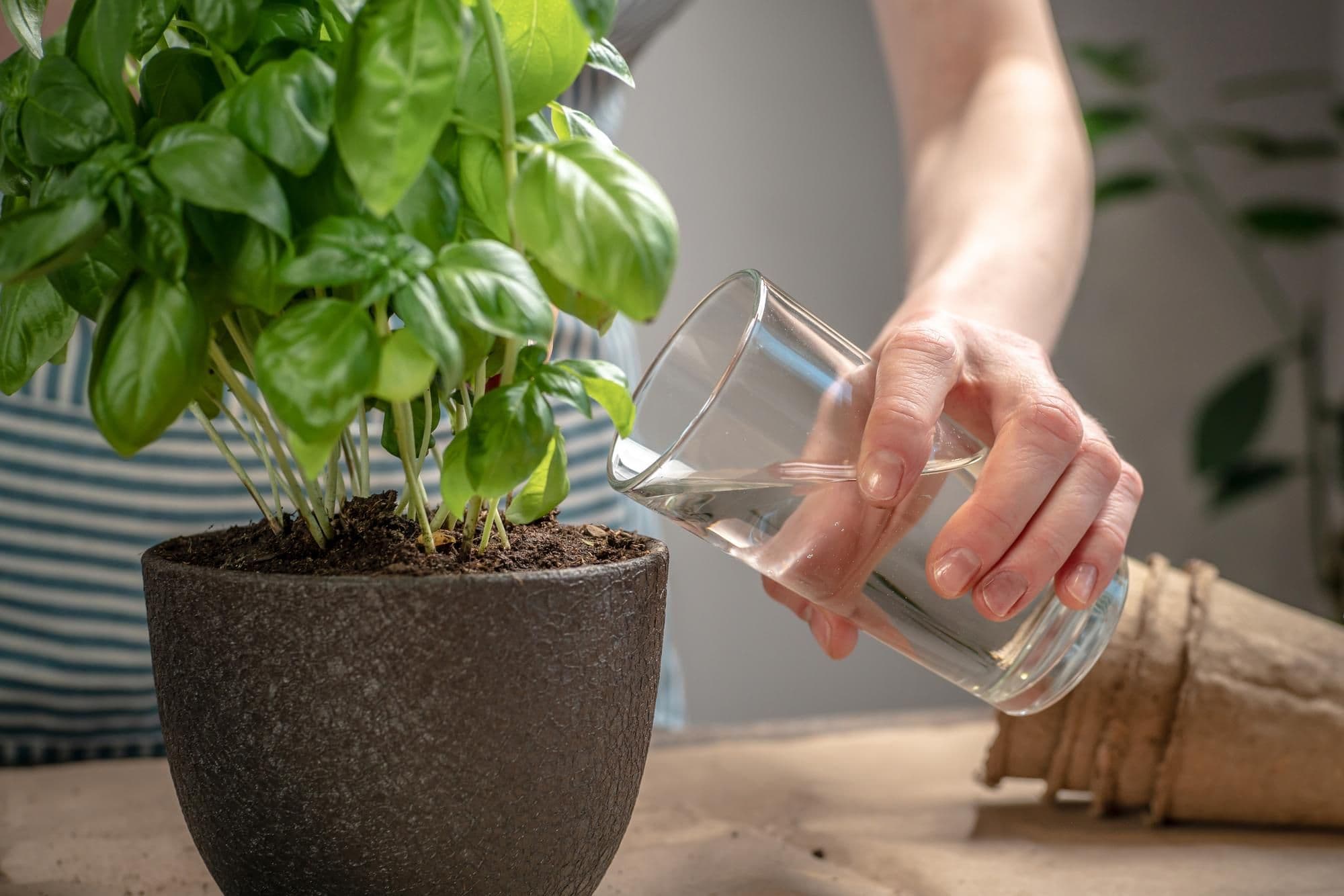
  • Pour room-temperature water slowly at the base of the plant, keeping leaves and stems as dry as reasonably possible.
  • Water in a wide circle around the stem so moisture reaches the full root zone, not just the center.
  • Continue adding water until it begins to drain from the pot’s holes, then stop to avoid prolonged pooling in saucers.
  • Let excess water drain freely for several minutes, then empty saucers or cachepots so roots are not standing in water.

Incorrect moisture levels can trigger growth and health problems for Passiflora edulis plants.

Yellowing Lower Leaves:

Older leaves turn uniformly yellow from consistently wet soil, indicating early-stage root stress and suffocation.

Wilting Despite Damp Soil:

Limp foliage and soft stems in moist conditions suggest root decay from chronic overwatering and compaction.

Leaf Curl And Scorch:

Edges brown, crisp, and curl inward when soil repeatedly dries completely between deep waterings.

Cracked Or Deformed Fruit:

Developing fruit splits or puckers when irrigation alternates between severe dryness and sudden heavy soaking.

Maintain evenly moist, well-drained soil with deep, regular watering and avoid extreme wet-dry swings.

Poor watering habits can weaken Passiflora edulis, reducing flowering and fruiting and making vines more vulnerable to pests and stress.

  • Following a fixed schedule: Watering by calendar instead of soil moisture can drown or dehydrate roots; check the top soil and adjust to weather changes.
  • Using dense, soggy soil: Heavy soil that stays wet limits oxygen to roots; use a well-draining mix with coarse materials to dry between waterings.
  • Letting pots sit in runoff: Leaving water in saucers keeps roots saturated; empty saucers soon after watering to allow brief drainage then drying.

Aim for evenly moist but not saturated soil, adjusting water volume and timing to container size, drainage, and current conditions.

  • Spring: Increase watering as new vines and flower buds form, keeping soil consistently moist but not waterlogged while temperatures stay mild.
  • Summer: In hot, dry weather, water more deeply and often, watching for faster drying soil, especially in containers or sandy ground.
  • Fall: Gradually reduce watering as growth slows, allowing the topsoil to dry a bit more between waterings in cooler conditions.
  • Winter: In mild climates, water lightly during dry spells; in colder regions, water sparingly for semi-dormant or protected container plants.

Get Your Passion fruit Watering Schedule

Use Botan for a clear watering guide and practical care steps for Passion fruit. The app can also review plant photos to help spot early signs of stress or disease.

Botan plant care app — identify plants on mobile

Interesting Watering Facts

Shallow, thirsty roots

Passiflora edulis forms a dense, shallow root system that dries out quickly in its native subtropical soils, which is why it responds best to frequent, moderate watering rather than deep, infrequent soakings when grown in cultivation.


Sensitive to waterlogging

In commercial passion fruit orchards, excess rain and poor drainage are known to cause root rot and reduced yields, showing that this species prefers evenly moist, well‑drained soil and is less tolerant of standing water than many other tropical vines.

Fruit size tied to rainfall

Field studies in Brazil and other growing regions show that irregular rainfall or drought during flowering and early fruit development leads to smaller, misshapen passion fruits, highlighting how consistent soil moisture directly affects fruit quality in this species.

FAQ

Check the top 1–2 inches (3–5 cm) of soil; if it feels dry and loose, it is time to water. Slightly drooping, dull leaves can also signal that the plant needs moisture soon.

More Plant Watering Guides

Is Your Watering Routine Hurting Your Passion fruit?

Use Botan to see if your watering routine matches what the plant needs.

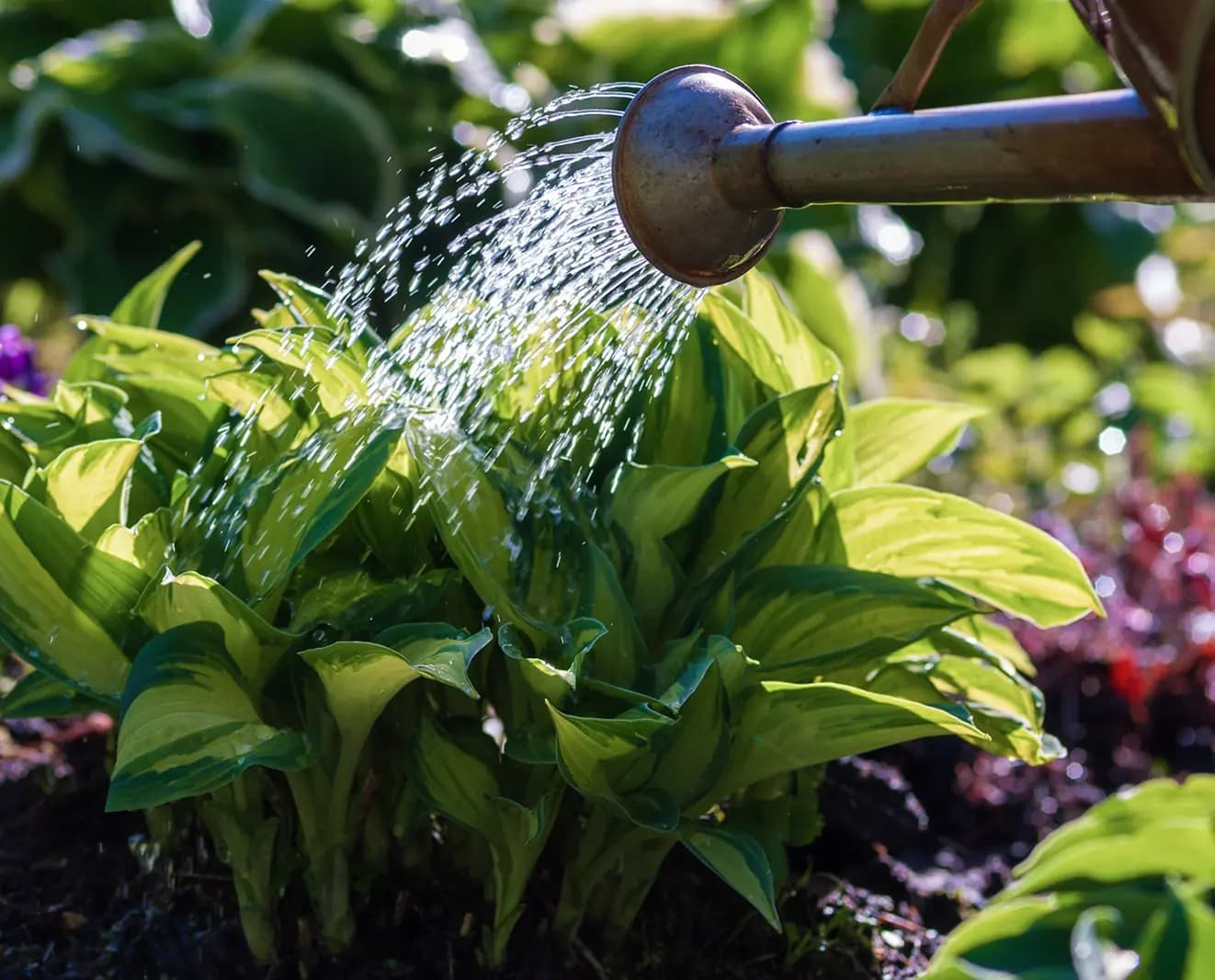
Watering a plant with a copper watering can
How Long Can Flowers Go Without Water? Everything You Need to Know

6 min read · 10 Jul 2026

How Long Can Flowers Go Without Water? Everything You Need to Know

Flowers can survive without water anywhere from 1-2 hours to several months, depending on the plant type, species, and growing conditions. Some strong-looking flowers are drought-sensitive, while delicate-looking plants may tolerate long dry periods surprisingly well.

Plant Care
How Long Can Flowers Go Without Water? Everything You Need to Know
Thorny Plants: A Comprehensive Guide

10 min read · 25 Aug 2026

Thorny Plants: A Comprehensive Guide

Many plants defend themselves with sharp thorns. This guide explores over 20 examples among flowers, shrubs, trees, and vines. You'll learn what each plant looks like, why it grows thorns, and how to quickly identify them.

Plant Recommendations
Thorny Plants: A Comprehensive Guide
Best Water for Plants – How to Choose the Right Type

7 min read · 13 Aug 2026

Best Water for Plants – How to Choose the Right Type

Rainwater, filtered, distilled, and tap water affect plants differently. Learn which types support healthy growth and which cause slow damage. Match each to your plants and discover how to easily improve tap water quality.

Plant Care
Best Water for Plants – How to Choose the Right Type