


Butternut Pumpkin (Cucurbita moschata) Watering Guide

This page explains when, how often, and how much to water Cucurbita moschata for consistent growth and productive plants.

Water Requirements

Regular Water

Cucurbita moschata Watering

Butternut pumpkin grows best with soil that stays evenly moist but not waterlogged, reflecting its seasonally wet native habitats. Cucurbita moschata relies on steady moisture during active growth, especially when fruiting, to support strong vines and healthy yields.

As a field-grown crop, it is usually managed outdoors, while containers dry faster and need closer attention. This overview sets the groundwork for watering Butternut Pumpkin before looking at climate, soil type, and growth stage in detail.

Water when the top 1–2 inches (3–5 cm) of soil feel dry; this is the clearest cue for Cucurbita moschata. In warm, sunny growing conditions, garden plants typically need water every 2–4 days, while cooler weather or heavier soil can extend the interval between waterings.

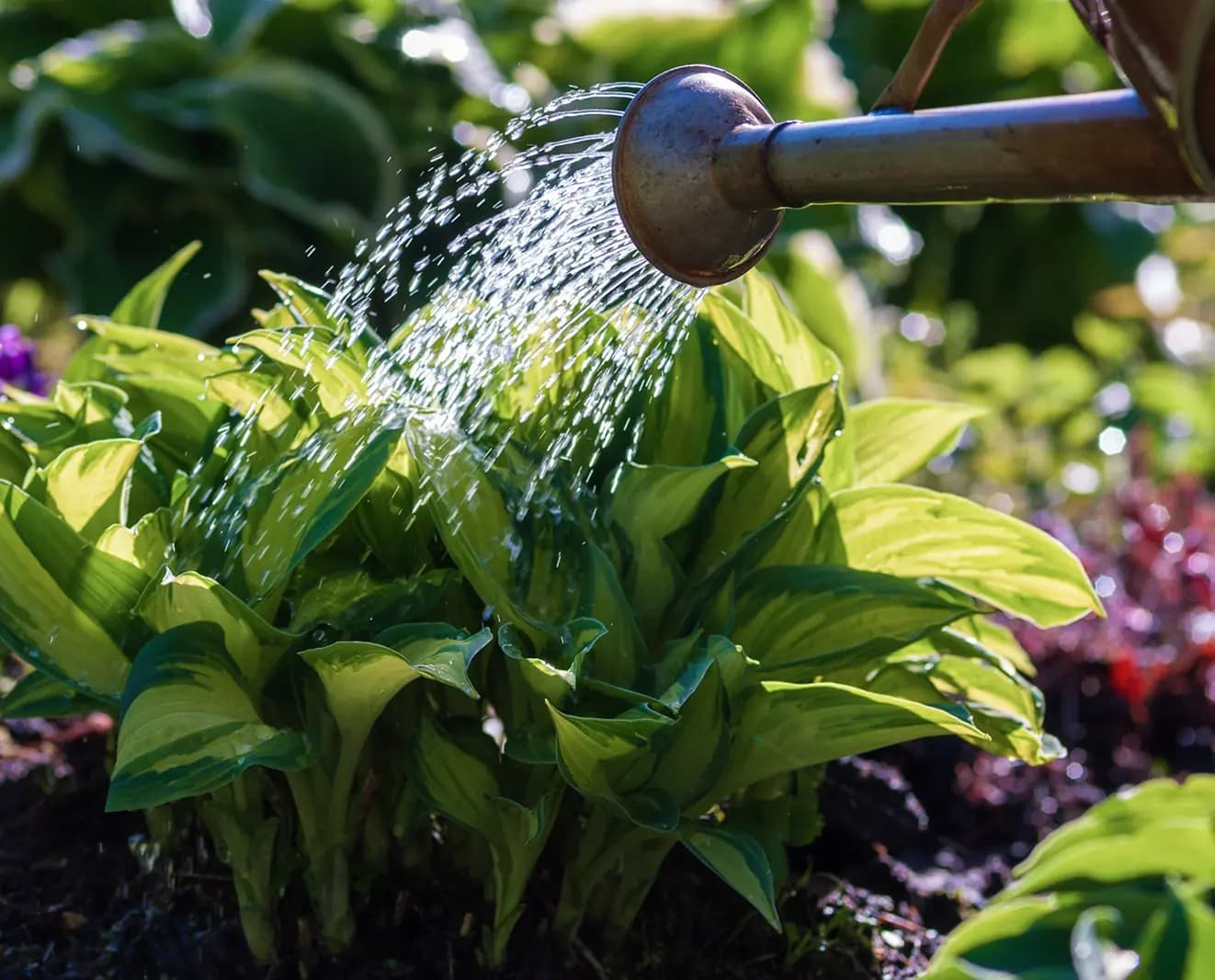
Water Butternut Pumpkin when the top 1-2 inches (3-5 cm) of soil feel dry, using slow, deep irrigation near the roots.

  • Apply water at soil level around the base, avoiding wetting leaves and stems to keep foliage as dry as possible.
  • Let water soak in gradually, repeating until the root zone is evenly moist but not waterlogged throughout the planting bed.
  • Use a soaker hose or drip line where possible, delivering moisture directly to the soil for consistent, gentle infiltration.
  • Ensure planting beds or containers drain freely, and redirect or remove standing water from low spots after heavy irrigation.

Incorrect moisture levels can stress Cucurbita moschata and reduce growth or harvest potential.

Wilting Leaves:

Daytime drooping with dry soil usually indicates underwatering, while persistent wilt with soggy soil suggests rot.

Yellowing Lower Foliage:

Older leaves turning yellow often result from prolonged soil saturation limiting oxygen to feeder roots.

Fruit End Rot:

Sunken, darkened blossom ends commonly follow irregular watering that disrupts calcium movement within developing fruit.

Powdery Leaf Patches:

White, dusty spots spread faster when foliage stays damp from frequent overhead watering and poor air movement.

Keep soil consistently moist but never waterlogged, favoring deep, even soakings over frequent light splashes.

Poor watering habits can slow Cucurbita moschata growth, reduce fruit set, and increase disease risk in butternut pumpkin beds or containers.

  • Following a fixed schedule: Watering by calendar, not soil moisture, can drown or stress vines; instead, check top soil dryness before each deep watering.
  • Using heavy, compact soil: Planting into dense soil holds water around roots too long; choose loose, well-drained soil with added compost for structure.
  • Leaving water in trays: Allowing pots to sit in collected runoff keeps roots saturated; empty saucers shortly after watering so excess can drain freely.

Aim for deep, occasional watering into well-drained soil, guided by actual dryness at root level rather than a rigid routine.

  • Spring: As seedlings and vines start rapid growth, keep soil consistently moist but not waterlogged, adjusting for natural rainfall and warming temperatures.
  • Summer: Increase watering depth during flowering and fruit set, focusing on morning soakings at the root zone to offset heat and evaporation.
  • Fall: Gradually reduce watering as vines yellow and fruit mature, keeping soil just moist to limit splitting and reduce late-season disease risk.
  • Winter: In frost-free regions with lingering vines, water lightly only during extended dry spells; in frosty areas, plants die back and need no watering.

Track Watering. Catch Problems Early

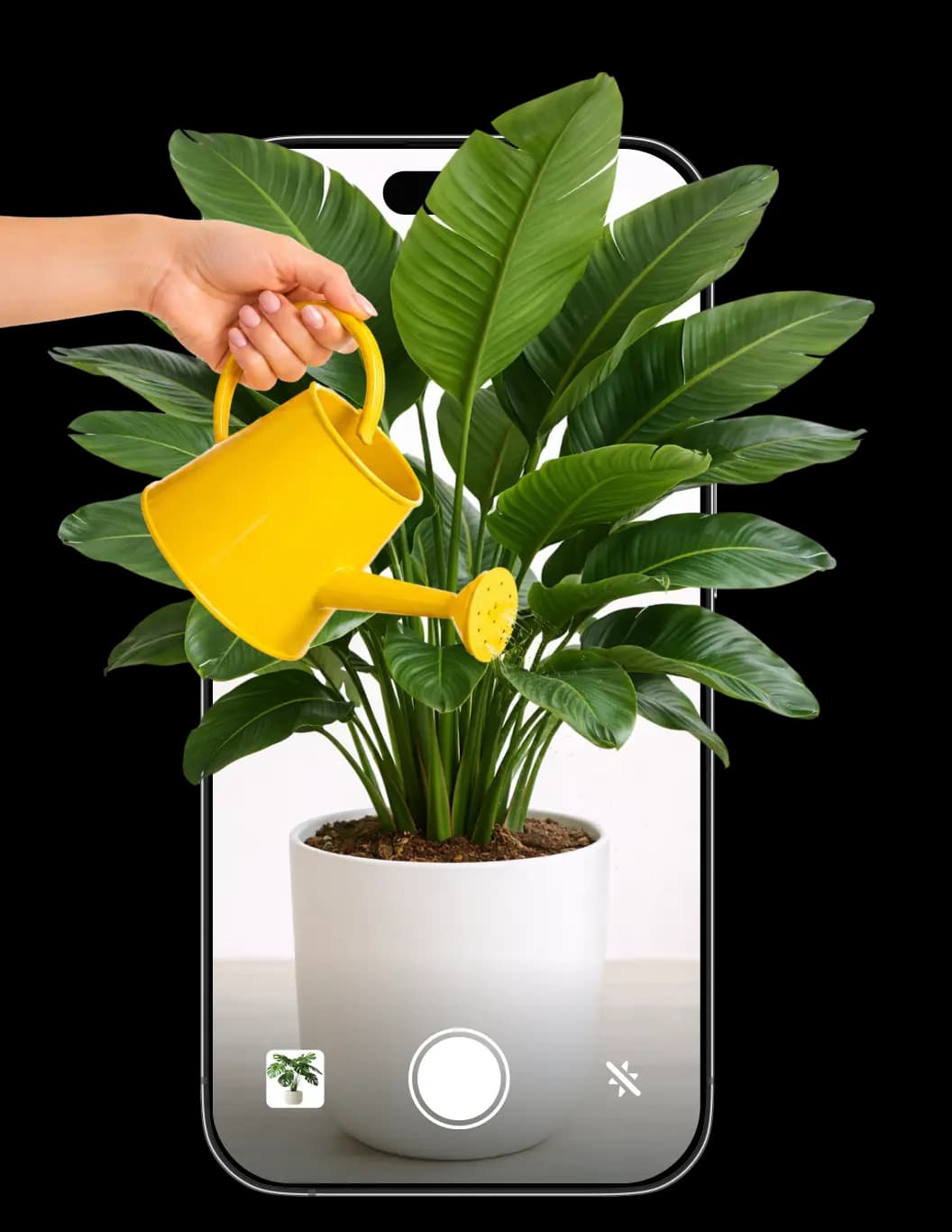
Use Botan for a clear watering guide and practical care steps for Cucurbita moschata, plus gentle photo-based checkups that help spot leaf issues and stress before they spread.

Botan plant care app — identify plants on mobile

FAQ

Check the top 1–2 inches (3–5 cm) of soil; if it feels dry and dusty, it is time to water. Leaves that droop slightly in midday then recover by evening usually signal normal heat stress, not dryness.

More Plant Watering Guides

Is Your Watering Routine Hurting Your Butternut Pumpkin?

Botan reviews your watering pattern and highlights simple adjustments to keep it on track.

Watering a plant with a copper watering can
How to Increase Humidity for Plants – 8 Simple Ways That Work

8 min read · 14 Aug 2026

How to Increase Humidity for Plants – 8 Simple Ways That Work

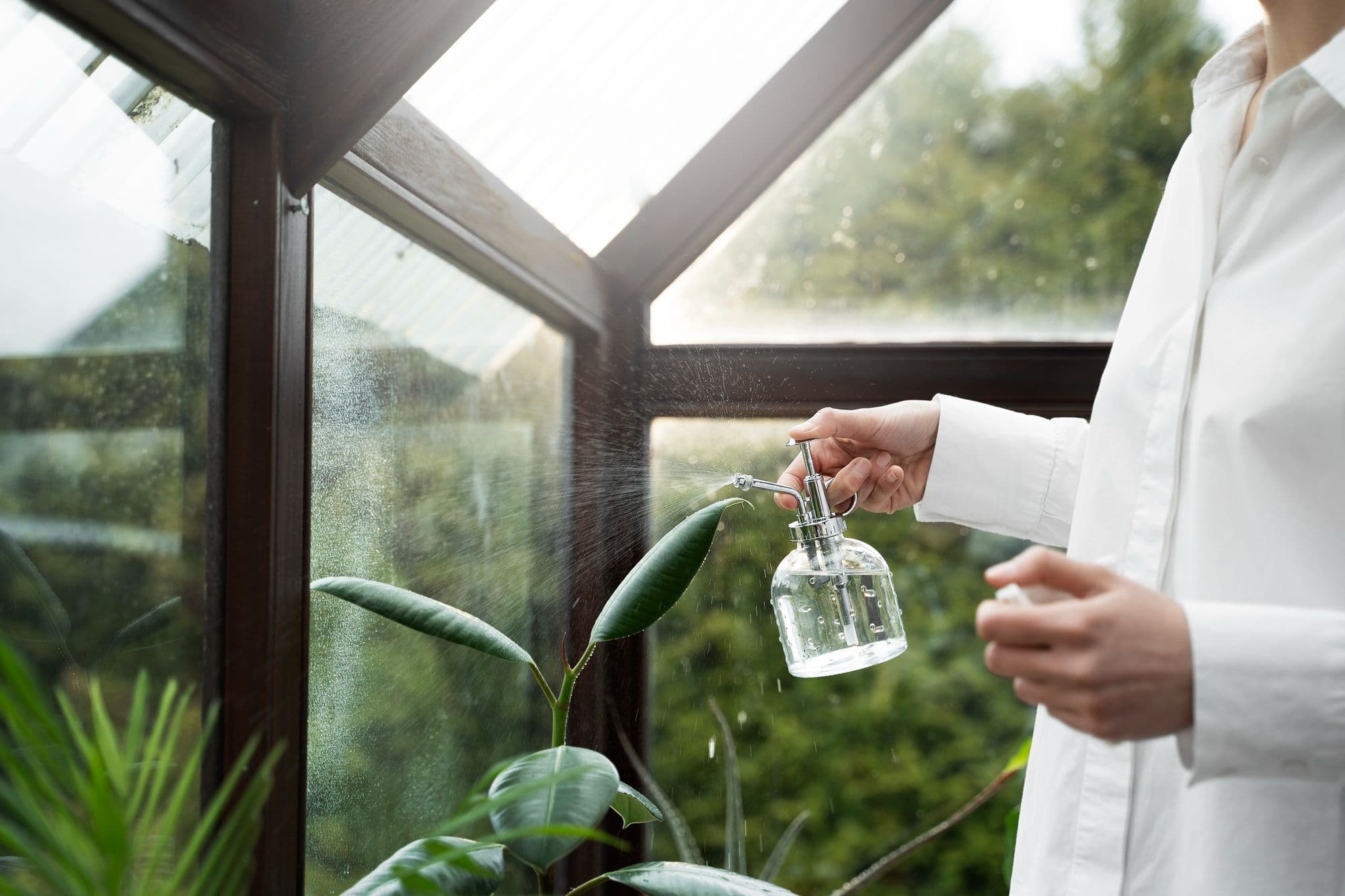
Dry indoor air stresses a lot of houseplants. You usually notice it first in the browning leaf tips. This guide describes 8 simple ways to raise the moisture around your plants, from humidifiers to pebble trays.

Plant Care
How to Increase Humidity for Plants – 8 Simple Ways That Work
How to Water Houseplants: Watering Guide

7 min read · 24 Aug 2026

How to Water Houseplants: Watering Guide

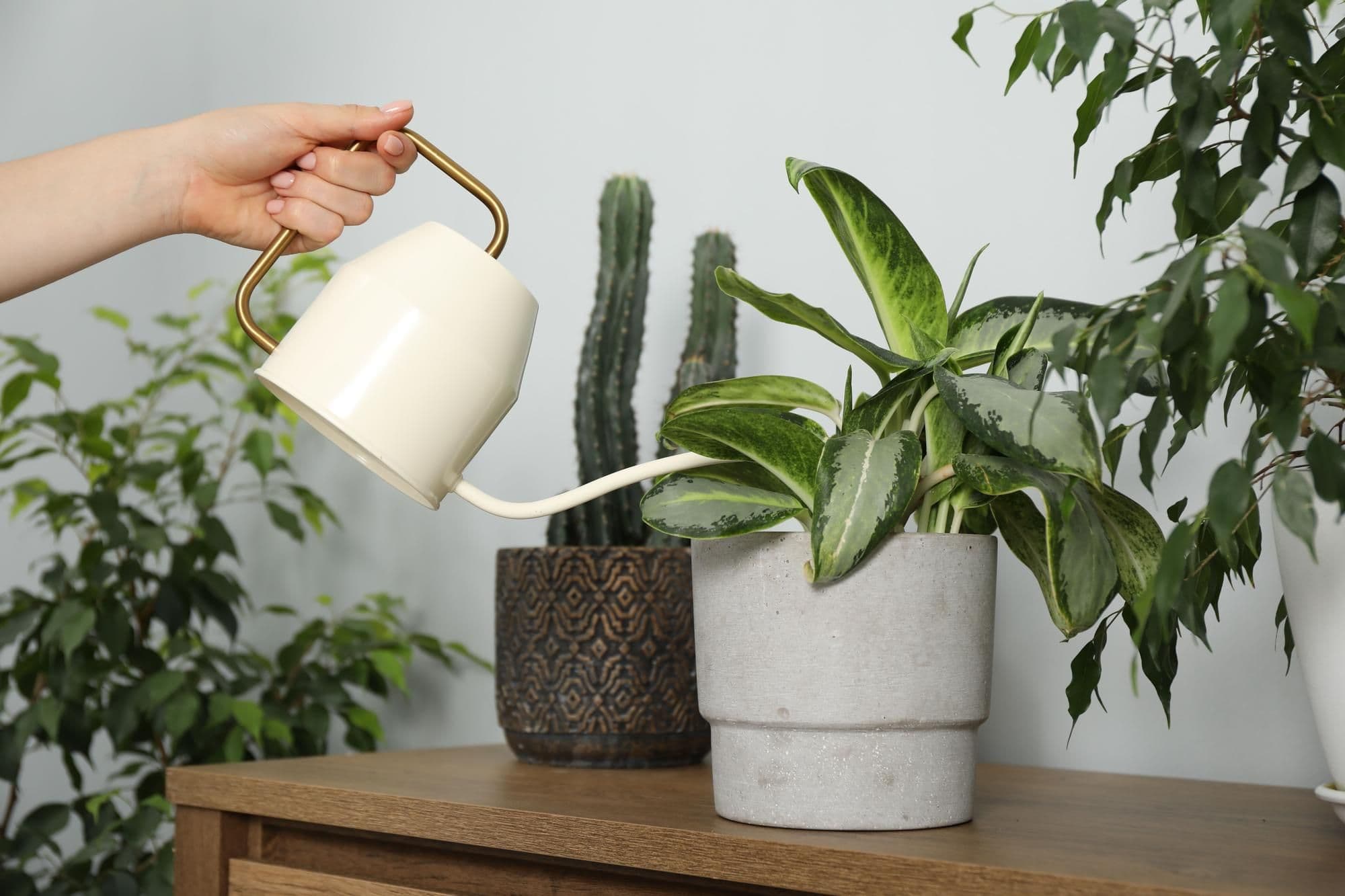
Learn how often to water indoor plants, key factors for proper watering, and how to adjust the care routine by plant type, season, pot size, light, and indoor conditions.

Plant Care
How to Water Houseplants: Watering Guide
Dill Companion Plants – What to Grow Next to Dill

9 min read · 17 Jul 2026

Dill Companion Plants – What to Grow Next to Dill

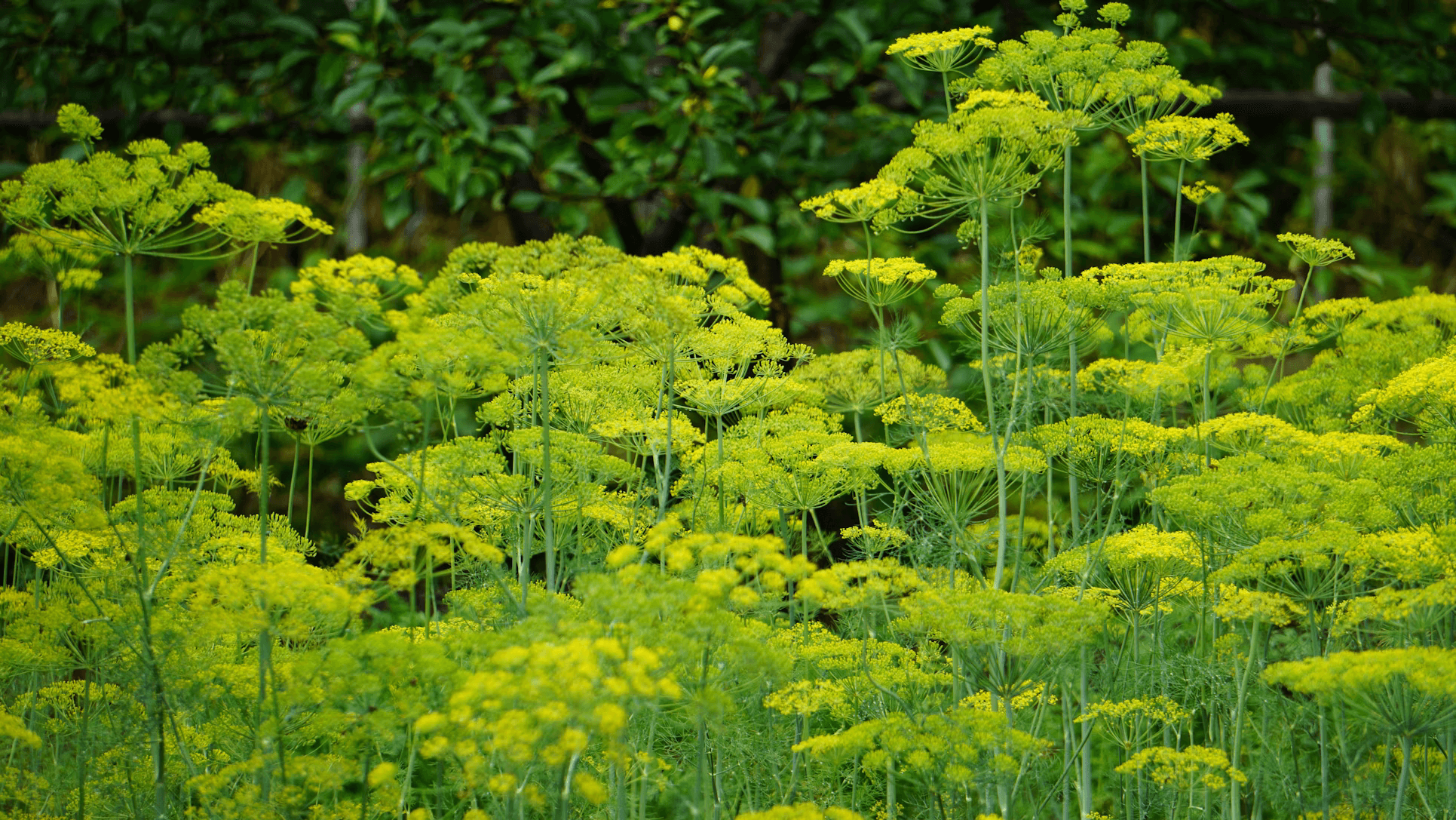
Dill is an easy-to-grow plant that gets along well with many vegetables. This guide describes 15 plants that can be planted alongside it, a few to avoid, and mistakes that can quietly sabotage the entire process.

Plant Recommendations
Dill Companion Plants – What to Grow Next to Dill