watermelon (Citrullus lanatus) Watering Guide

This page explains when, how often, and how much to water watermelon for practical, consistent care guidelines.

Water Requirements

Regular Water

Citrullus lanatus Watering

Native to seasonally dry regions, Citrullus lanatus is adapted to soils that dry somewhat between deeper soakings. Watering watermelon means supporting steady growth while avoiding long periods of saturation that stress the roots.

Outdoors in the ground, plants usually rely on natural rainfall with supplemental watering during dry spells. In containers or raised beds, moisture levels fluctuate faster, so monitoring soil dryness becomes more important before each watering session.

Water once the top 1–2 inches (3–5 cm) of soil feel dry, as Citrullus lanatus prefers consistent but not soggy moisture. In warm, sunny conditions, this typically means watering about every 3–5 days outdoors, while cooler weather or heavier soil can extend the interval slightly.

Watermelon is ready for watering when the top 1-2 inches (3-5 cm) of soil feel dry, using slow, deep watering.

  • Apply water at soil level around the base, avoiding wetting foliage to reduce prolonged surface moisture on leaves and stems.
  • Water slowly so moisture penetrates the full root zone, ensuring soil is evenly damp but not muddy or waterlogged.
  • Use a soaker hose or drip line along the row, letting water seep gradually into the root area.
  • Confirm excess water drains freely from beds or containers, and empty any standing water from trays or saucers promptly.

Incorrect moisture balance can stress Citrullus lanatus, leading to growth setbacks and reduced yields.

Yellowing Lower Leaves:

Older foliage turns pale and soft due to prolonged soil saturation and reduced root oxygen uptake.

Cracked Ripening Fruit:

Mature melons split when irregular deep watering follows a period of dry soil conditions.

Blossom-End Rot:

Dark, sunken spots on fruit tips arise from uneven moisture disrupting calcium movement within tissues.

Bitter Or Bland Flavor:

Overly frequent irrigation near harvest dilutes fruit sugars, weakening sweetness and characteristic aroma.

Wilting In Hot Sun:

Leaves droop midday when shallow or inconsistent watering limits deeper root access to stored moisture.

Maintain steady, deep soil moisture without prolonged saturation, adjusting timing carefully as fruits size and mature.

Unsuitable watering habits can limit Citrullus lanatus growth, reduce fruit quality, and increase disease pressure, especially during hot, dry spells.

  • Rigid calendar watering: Watering on a fixed schedule ignores changing heat, wind, and soil moisture; instead, check the top soil and adjust each session.
  • Poorly drained soil: Using dense or clay-heavy soil keeps roots wet too long; choose loose, sandy or loamy beds that drain quickly after watering.
  • Letting containers sit in runoff: Leaving pots in full saucers keeps roots submerged; empty saucers after each deep drink so roots can re-oxygenate.

Aim for deep, occasional watering into fast-draining soil, guided by actual dryness around the root zone rather than the calendar.

  • Spring: Increase water as vines elongate and foliage thickens, keeping soil consistently moist but not waterlogged to support root and early fruit development.
  • Summer: Deeply irrigate less often, allowing the top soil to dry slightly between waterings, and adjust volume upward during prolonged heat or dry wind.
  • Fall: Gradually reduce watering as fruit reaches full size, keeping soil just moist to limit cracking and concentrate sweetness before harvest.
  • Winter: In frost-free regions between crops, irrigate only enough to prevent soil from becoming bone dry if cover crops or volunteers are present.

Track Watering. Catch Problems Early

Use Botan for a clear watering guide and step-by-step care for Citrullus lanatus, plus gentle photo-based checks that help flag leaf, stem, or fruit troubles before they spread.

Botan plant care app — identify plants on mobile

Interesting Watering Facts

Deep‑tapping root system

Cultivated Citrullus lanatus rapidly sends a taproot down more than surface feeder roots, allowing plants to access deeper soil moisture and tolerate short dry spells between irrigations better than many shallow‑rooted vegetables.


Drought‑tolerant ancestral forms

Wild and traditional landrace watermelons from arid regions of Africa have been documented surviving long dry periods, with fruits acting as a significant water source for local people and wildlife when surface water is scarce.

High fruit water content

Modern Citrullus lanatus cultivars typically develop fruits with very high water content, often used in arid and semi‑arid regions as a seasonal hydration food, reflecting strong selection for efficient water uptake and storage in the flesh.

FAQ

In-ground plants usually need deep watering 1–2 times per week, depending on heat, wind, and soil type. Check soil 2–3 inches down; if it feels dry, that guides how often to water.

Everything About watermelon

More Plant Watering Guides

Is Your Watering Routine Hurting Your watermelon?

Use Botan to review watering patterns and adjust before issues develop.

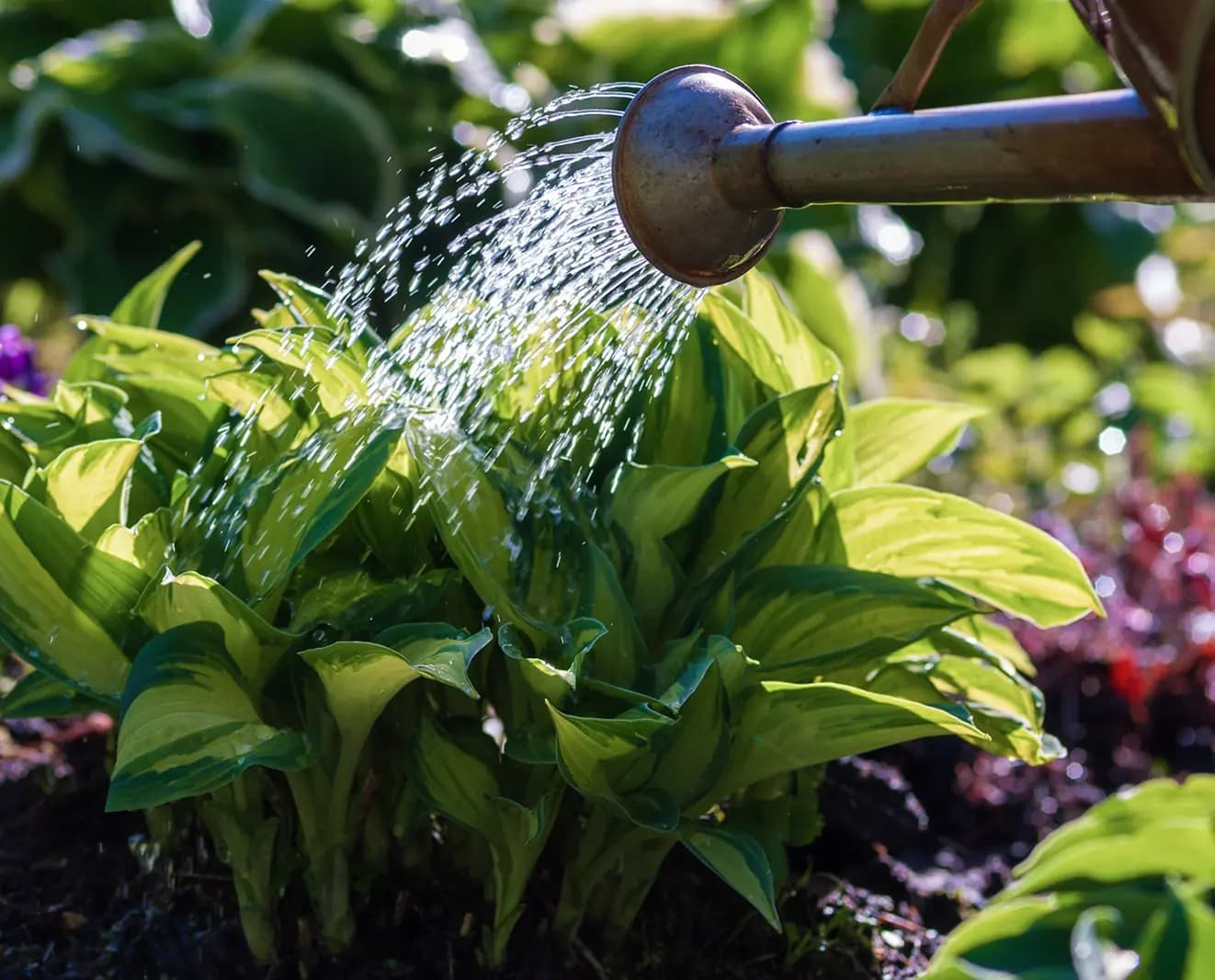
Watering a plant with a copper watering can
How to Winterize Your Garden in 6 Steps

5 min read · 28 Sept 2026

How to Winterize Your Garden in 6 Steps

Learn how to prepare your garden for winter with a practical six-step checklist covering cleanup, tender plant care, watering, mulching, winter protection, and winterizing equipment and containers.

Plant Care
How to Winterize Your Garden in 6 Steps
Dill Companion Plants – What to Grow Next to Dill

9 min read · 17 Jul 2026

Dill Companion Plants – What to Grow Next to Dill

Dill is an easy-to-grow plant that gets along well with many vegetables. This guide describes 15 plants that can be planted alongside it, a few to avoid, and mistakes that can quietly sabotage the entire process.

Plant Recommendations
Dill Companion Plants – What to Grow Next to Dill
13 Best Front Yard Trees for Every Home and Yard

12 min read · 7 Aug 2026

13 Best Front Yard Trees for Every Home and Yard

A front yard tree can stay for decades. Therefore, choosing one deserves serious consideration. Here are 13 trees that have proven themselves, sorted by their purpose. You'll also find five species to avoid and basic planting information.

Plant Recommendations
13 Best Front Yard Trees for Every Home and Yard