




banana (Musa balbisiana) Watering Guide

This page explains when, how often, and how much to water Musa balbisiana in straightforward, practical terms.

Water Requirements

Keep Soil Moist

Musa balbisiana Watering

Native to monsoon-influenced tropical regions, Musa balbisiana experiences heavy rainfall followed by short drying breaks in warm air. For watering banana plants, the goal is to echo this pattern with steadily moist but not waterlogged soil.

Musa balbisiana generally prefers soil that does not fully dry, yet is never saturated for long. Outdoors it relies more on natural rainfall patterns, while container plants need more attentive, controlled watering adjustments.

Let the top 1–2 inches (3–5 cm) of soil dry before watering Musa balbisiana again. This species in warm indoor or outdoor conditions typically needs water every few days, but treat that as a guideline, not a schedule. Hot, bright sites shorten the interval, while cooler, lower-light spots extend it.

Water banana when the top 1–2 inches (3–5 cm) of soil feel dry, giving a deep, even soak each time.

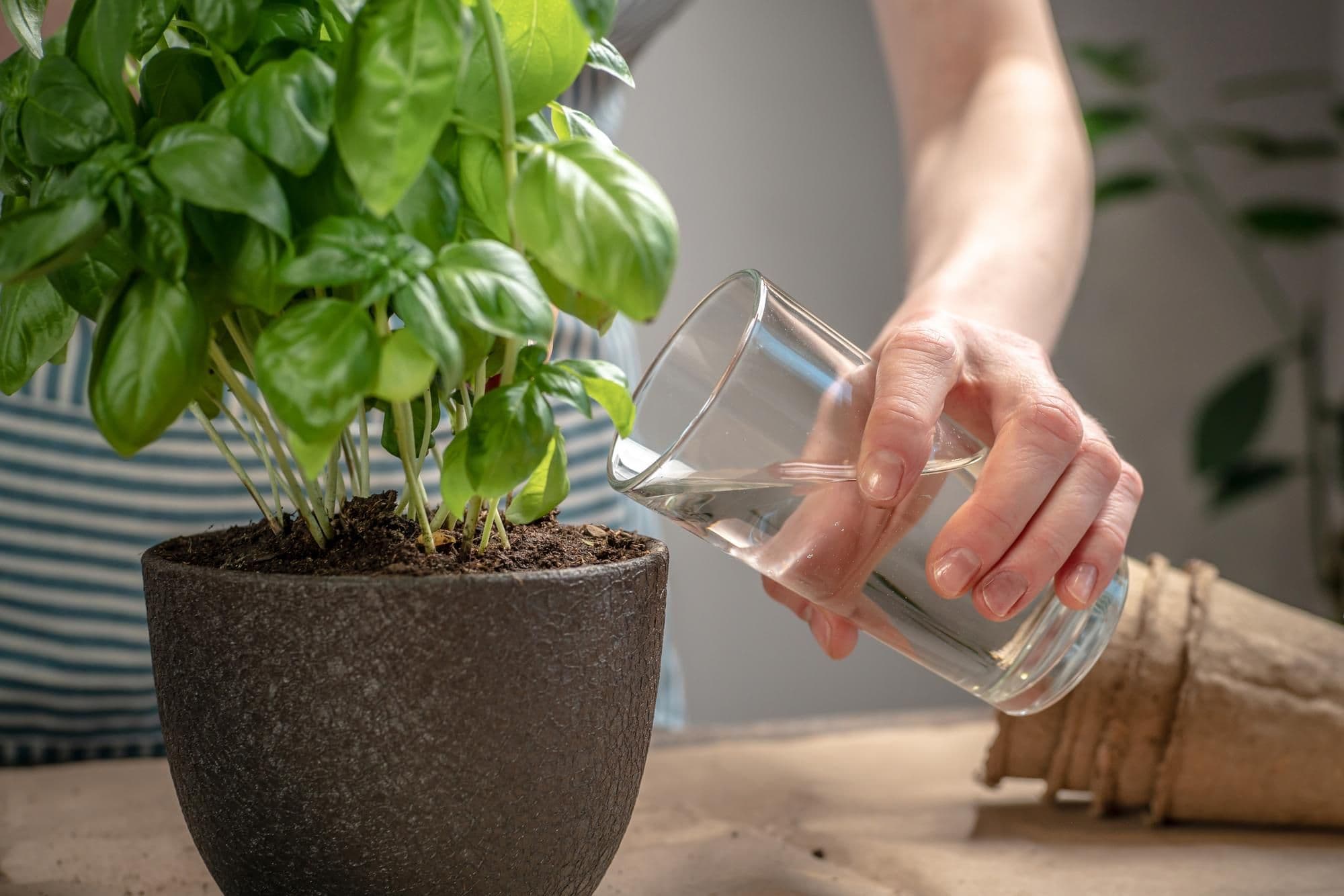
  • Pour room‑temperature water slowly over the soil surface, circling the pot so moisture spreads evenly through the root zone.
  • Continue adding water until it begins to drain from the bottom holes, indicating the entire root ball is thoroughly moistened.
  • Let the container drain freely for several minutes, then empty any saucer or cachepot so roots do not stand in water.
  • Keep water directed at the soil only, avoiding the pseudostem and leaf bases to reduce moisture collecting in tight crevices.

Incorrect moisture balance disrupts growth and invites stress in Musa balbisiana under cultivation.

Yellowing Lower Leaves:

Older leaves yellow from prolonged saturation, signaling excess watering or poorly drained, compacted soil conditions.

Wilting With Wet Soil:

Drooping foliage despite moist media suggests root decline from chronic waterlogging and insufficient aeration.

Brown Leaf Margins:

Crisp brown edges indicate intermittent drought stress from shallow watering or extended dry periods.

Stunted Pseudostem Growth:

Slow, thin trunk formation often reflects inconsistent moisture, especially repeated drying of the root zone.

Sour-Smelling Potting Mix:

Unpleasant, swampy odor points to anaerobic soil, encouraging root rot and harmful microbial growth.

Maintain deep, consistent moisture in airy, fast-draining soil, avoiding both prolonged drought and persistent saturation.

Unsuitable watering habits can stress Musa balbisiana, slowing growth and making the banana more vulnerable to pests and temperature swings.

  • Watering by schedule: Following a rigid calendar leads to soggy or parched soil; instead, water when the top layer dries and conditions demand it.
  • Heavy, compact soil: Using dense garden soil traps moisture around roots; choose a loose, chunky mix that drains quickly yet holds some moisture.
  • Letting saucers fill: Leaving runoff in trays keeps roots submerged; empty saucers shortly after watering so excess moisture can escape fully.

Aim for deep but occasional watering in fast-draining soil, guided by soil dryness, container drainage, and current growing conditions.

  • Spring: As temperatures rise and new pseudostems thicken, increase watering slightly, keeping soil consistently moist but not saturated to support rapid root expansion.
  • Summer: In hot, bright conditions, water more often and more deeply, watching for fast surface drying while avoiding standing water around the rhizome.
  • Fall: As growth slows and nights cool, reduce watering frequency, letting the top layer dry a bit longer between waterings.
  • Winter: In cooler or slightly dormant conditions, water sparingly, keeping soil just lightly moist and protecting roots from prolonged cold, wet conditions.

Your banana Care Companion

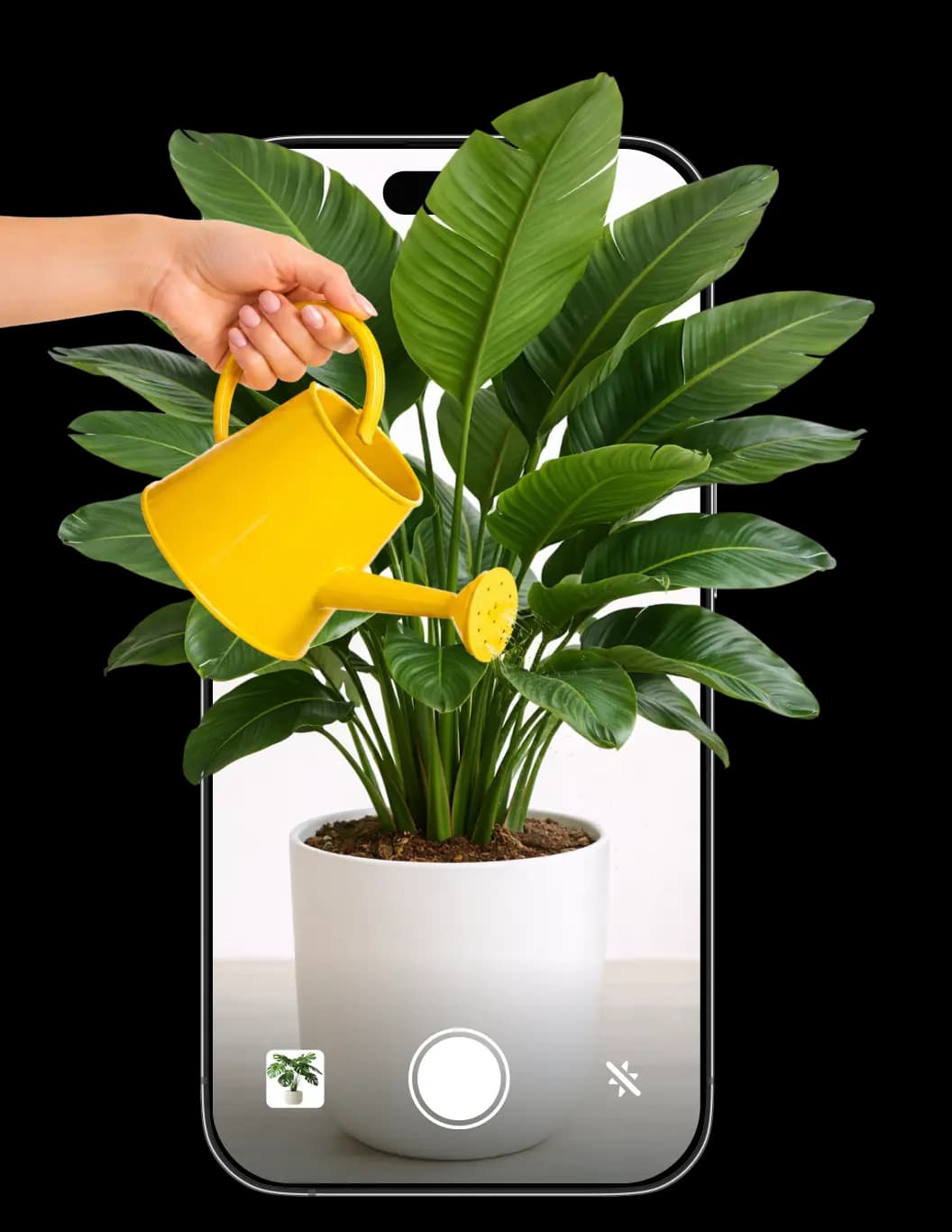
Use Botan for a tailored watering guide and simple care steps for Musa balbisiana, plus gentle photo-based checkups that help flag early signs of pests, rot, or other issues.

Botan plant care app — identify plants on mobile

FAQ

Early morning is best. Soil absorbs moisture before midday heat, reducing evaporation and fungal risk. Evening watering can leave foliage wet overnight, which may encourage disease, especially in humid climates.

Everything About banana

More Plant Watering Guides

Is Your Watering Routine Hurting Your banana?

Botan reviews your watering routine and highlights when adjustments may be helpful.

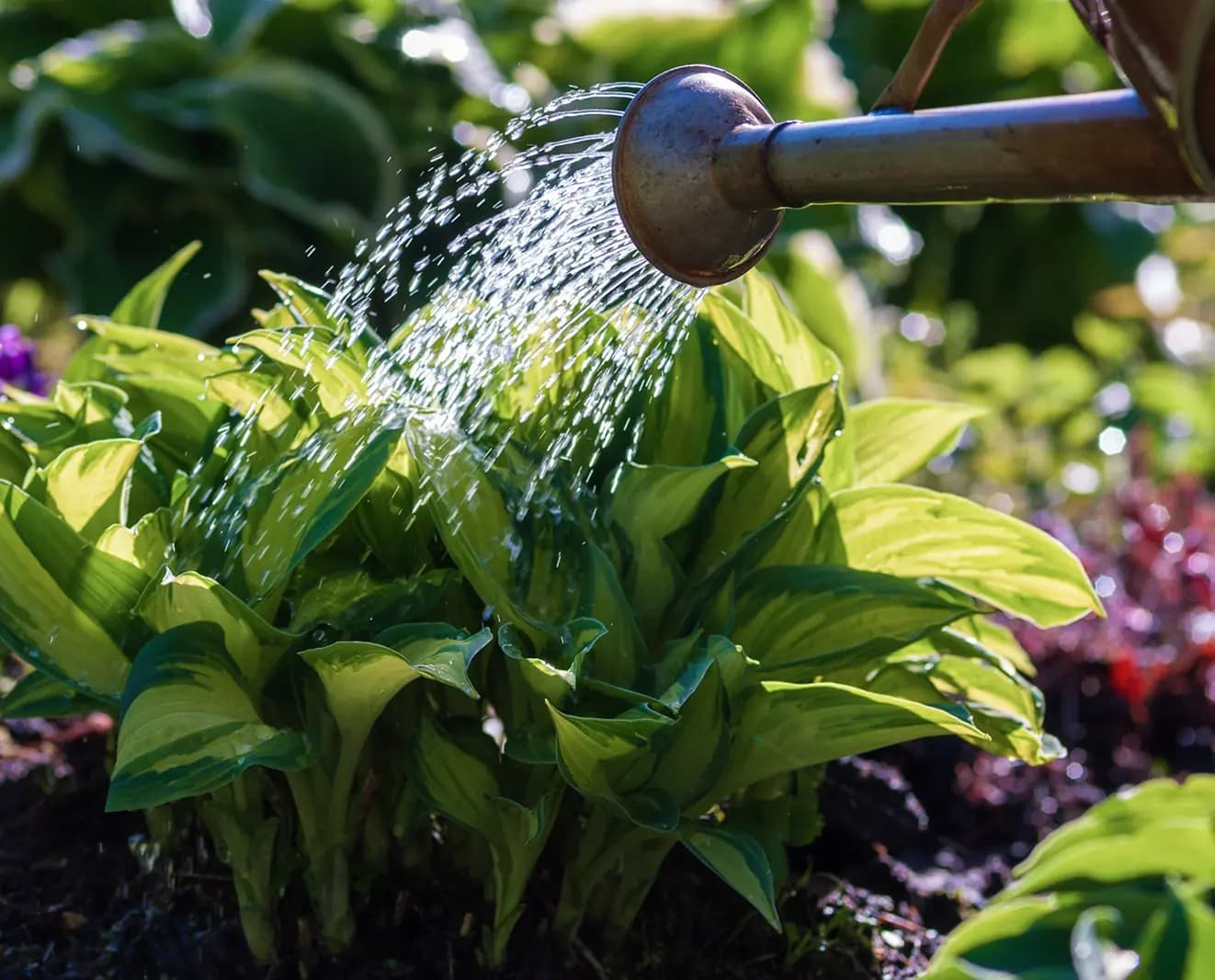
Watering a plant with a copper watering can
Is Sugar Water Good for Plants?

4 min read · 14 Sept 2026

Is Sugar Water Good for Plants?

Sugar water may sound like an easy boost, but most rooted plants do not need extra sucrose. This guide explains how green tissues produce carbohydrates, when a sweetened solution can be useful, and why too much can cause problems.

Plant Care
Is Sugar Water Good for Plants?
Best Fertilizer for Grass in Summer: How to Choose the Right One

6 min read · 18 Aug 2026

Best Fertilizer for Grass in Summer: How to Choose the Right One

The right fertilizer in summer can make a lawn thrive. The wrong one can damage it. Here, you’ll learn the best NPK ratios by grass type, when and how to apply your formula, and how to recognize the signs of over- or under-fertilizing.

Plant Care
Best Fertilizer for Grass in Summer: How to Choose the Right One
How to Group Plants in Landscaping: A Practical Layout Guide

8 min read · 31 Aug 2026

How to Group Plants in Landscaping: A Practical Layout Guide

Good plant grouping can mean the difference between a well-planned garden and one that looks sloppy. This guide explores layers, spacing, cluster shapes, and the plants that thrive when you group them.

Plant Care
How to Group Plants in Landscaping: A Practical Layout Guide