Never never plant (Ctenanthe oppenheimiana) Watering Guide

This page outlines when, how often, and how much to water Ctenanthe oppenheimiana for steady, healthy growth.

Water Requirements

Keep Soil Moist

Ctenanthe oppenheimiana Watering

Native to humid tropical understories, this plant thrives with steady moisture around its roots and higher air humidity. Ctenanthe oppenheimiana prefers lightly moist soil that never becomes soggy or bone dry for long.

For indoor pots, watering Never never plant usually means checking soil often and topping up before it dries deeply. Outdoors in warm climates, ground-planted specimens can rely more on natural rainfall, with supplemental water only during extended dry spells.

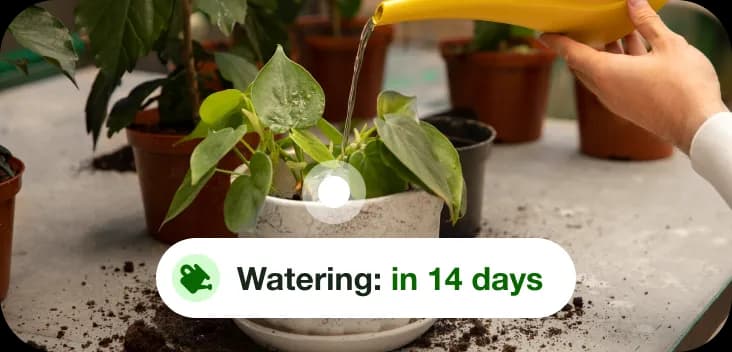
Let the top 1–2 inches (3–5 cm) of soil dry before watering again, as this moisture level suits Ctenanthe oppenheimiana. In bright, warm indoor conditions this often means watering about once a week, but lower light or cooler rooms usually extend the interval between waterings.

Water Never never plant when the top 1–2 inches (3–5 cm) of soil feel dry and slightly lighter in color.

  • Pour room-temperature water slowly over the soil surface, circling the pot to moisten the entire root zone evenly.
  • Continue adding water until a steady trickle emerges from the drainage holes, indicating the soil profile is thoroughly saturated.
  • Allow the pot to drain fully over a sink or tray, then discard any collected runoff within 10–15 minutes.
  • Keep water directed at the soil only, avoiding the leaves and stem bases to maintain a drier plant crown area.

Incorrect moisture levels disrupt growth and foliage health in Ctenanthe oppenheimiana indoors or outdoors.

Curling Leaf Edges:

Leaves roll inward and feel dry because the root zone repeatedly dries too deeply between waterings.

Yellowing Lower Leaves:

Older foliage turns pale and drops when soil stays wet, slowing oxygen supply to roots.

Brown Leaf Tips:

Crisp tips and margins appear when watering is infrequent or humidity remains consistently low.

Mushy Roots:

Roots feel soft, dark, and foul-smelling after prolonged saturation in heavy, poorly drained soil.

Wilting Despite Damp Soil:

Stems droop even in moist mix due to root damage from chronic overwatering and compaction.

Maintain lightly moist, airy soil with thorough watering, then partial drying, while avoiding extremes of drought or saturation.

Poor watering habits can weaken Ctenanthe oppenheimiana, making the Never never plant less resilient to indoor stress and pests.

  • Watering by calendar: Following a strict schedule instead of checking soil moisture risks swings between soggy and parched; test the top layer before watering.
  • Dense, heavy potting mix: Using soil that drains slowly keeps roots wet too long; choose a peat- or coco-based mix amended with perlite for airflow.
  • Letting water sit in saucer: Leaving runoff around the base keeps roots constantly wet; empty the saucer shortly after each watering instead.

Aim for evenly moist, well-drained soil, adjusting timing to current conditions so the root zone never stays waterlogged or bone dry.

  • Spring: Growth usually resumes, so check moisture more often and water when the top 1 inch feels slightly dry, avoiding soggy soil.
  • Summer: In warm, bright rooms, leaves may transpire faster, so expect more frequent watering and monitor closely for curling or limp foliage.
  • Fall: As temperatures and growth slow, lengthen the time between waterings while still preventing the root zone from fully drying out.
  • Winter: With cooler air and shorter days indoors, reduce watering frequency and volume, but maintain lightly moist soil to avoid leaf edge browning.

Track Watering. Catch Problems Early

Use Botan for a simple watering guide, care reminders, and tailored tips for your Never never plant. The app can also review plant photos to help spot issues early.

Botan plant care app — identify plants on mobile

FAQ

Both are stressful, but overwatering is usually more harmful because roots can suffocate and rot. Slight, short-term dryness is safer than soggy soil, so aim for evenly moist, never waterlogged conditions.

More Plant Watering Guides

Is Your Watering Routine Hurting Your Never never plant?

Use Botan to review your watering pattern and adjust it with more confidence.

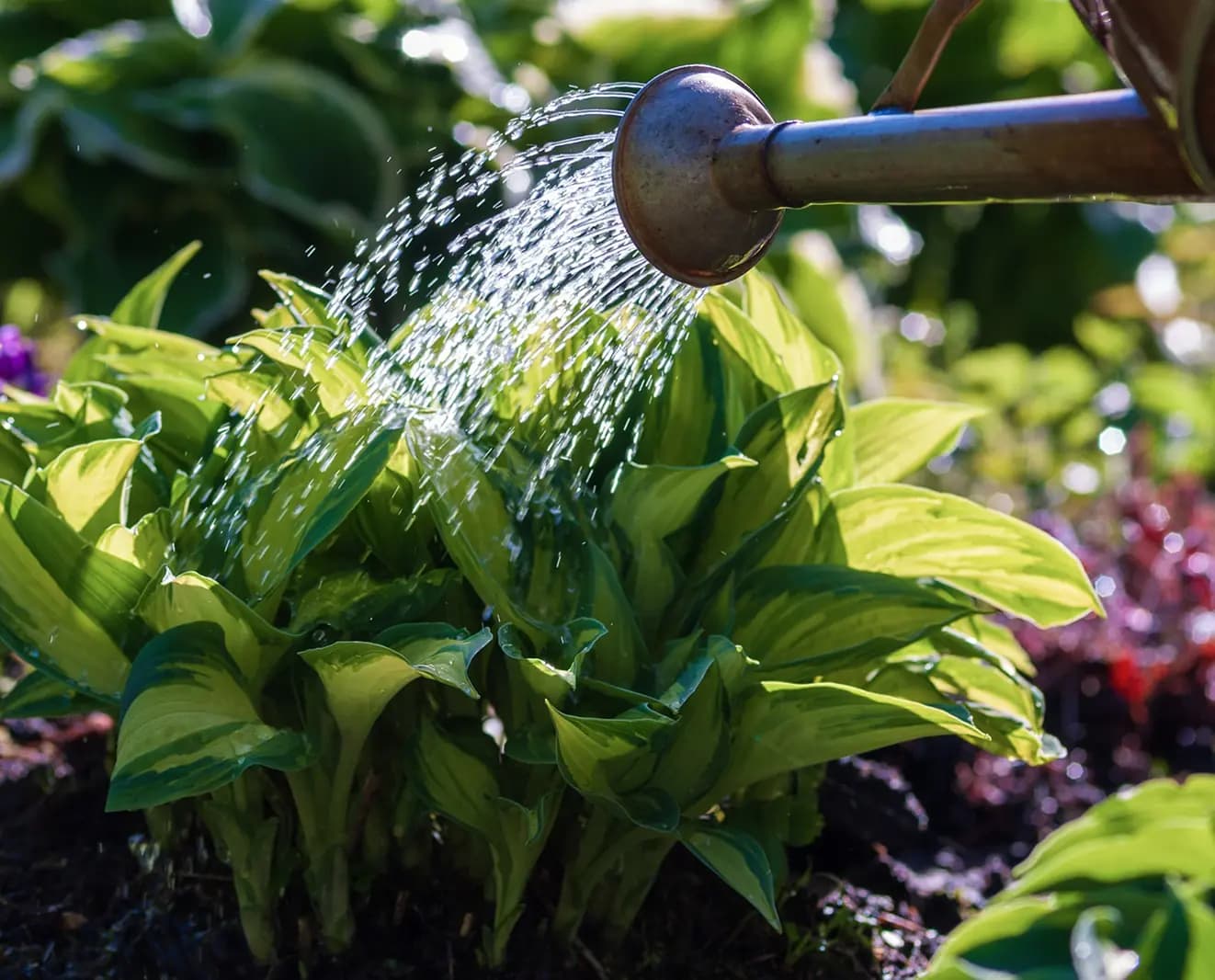
Watering a plant with a copper watering can
Best Fertilizer for Grass in Summer: How to Choose the Right One

6 min read · 18 Aug 2026

Best Fertilizer for Grass in Summer: How to Choose the Right One

The right fertilizer in summer can make a lawn thrive. The wrong one can damage it. Here, you’ll learn the best NPK ratios by grass type, when and how to apply your formula, and how to recognize the signs of over- or under-fertilizing.

Plant Care
Best Fertilizer for Grass in Summer: How to Choose the Right One
How to Bottom Water Plants: Complete Guide

6 min read · 13 Jul 2026

How to Bottom Water Plants: Complete Guide

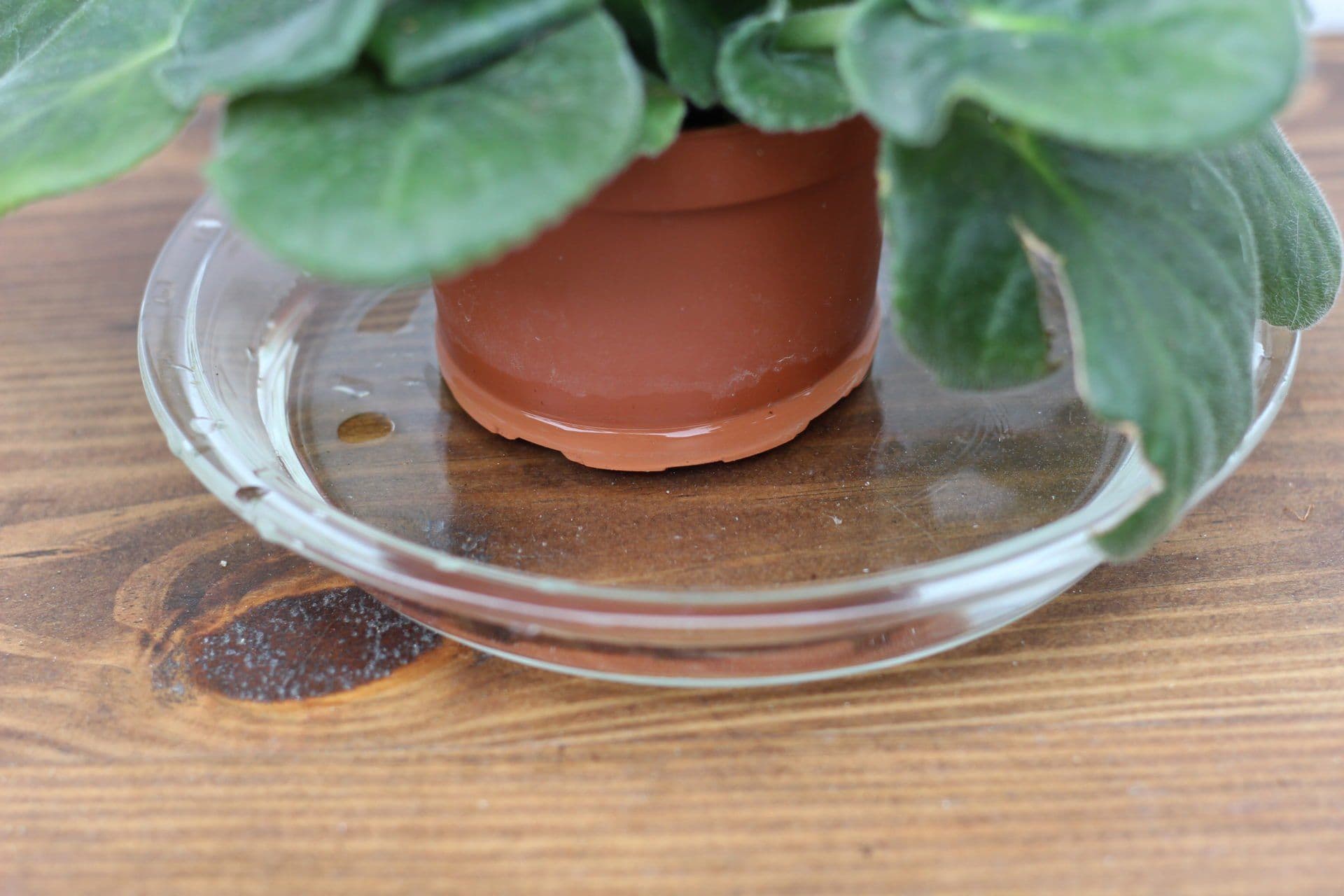
Bottom watering helps soil absorb moisture evenly and keeps foliage dry, reducing the risk of missed dry spots or root problems. Place the pot in a tray of water for a short time, then let it drain well.

Plant Care
How to Bottom Water Plants: Complete Guide
Planting Grass Seed in Summer – What Works and What Fails

7 min read · 6 Aug 2026

Planting Grass Seed in Summer – What Works and What Fails

Summer seeding succeeds when the grass type suits the season, and the soil stays moist. Find out how to prepare the seedbed and choose a safe window for planting.

Plant Care
Planting Grass Seed in Summer – What Works and What Fails