
African Violet (Streptocarpus ionanthus) Watering Guide

This page explains when, how often, and how much to water Streptocarpus ionanthus in straightforward terms.

Water Requirements

Moderate Water

Streptocarpus ionanthus Watering

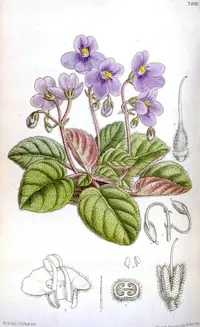
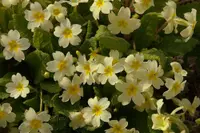
This compact houseplant prefers a steady, gentle moisture level that reflects its naturally humid, seasonally moist habitat. Streptocarpus ionanthus, commonly called African violet, dislikes being kept bone-dry or waterlogged for long periods.

Aim for lightly moist soil that dries just a bit between waterings, the core idea behind watering African Violet indoors. This overview sets the stage for how to water African Violet more precisely in later sections, including minor indoor–outdoor differences.

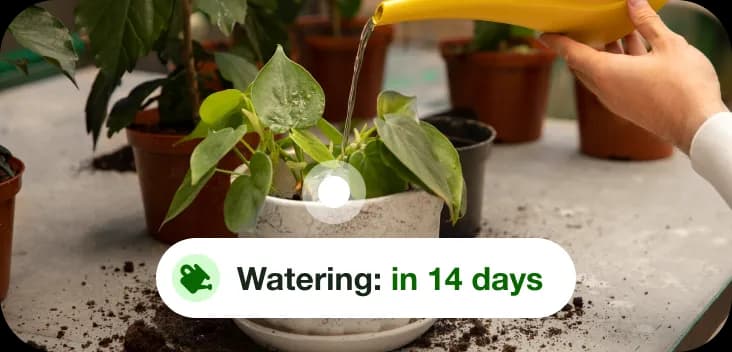
Water when the top 1–2 inches (3–5 cm) of soil feel dry and the pot feels slightly lighter. This usually means watering about once a week, though bright light or warm indoor temperatures can shorten the interval. In lower light or cooler rooms, the gap between waterings often lengthens.

Water African violet when the top 0.5 inch of soil feels dry, using gentle, even moisture and keeping sensitive foliage dry.

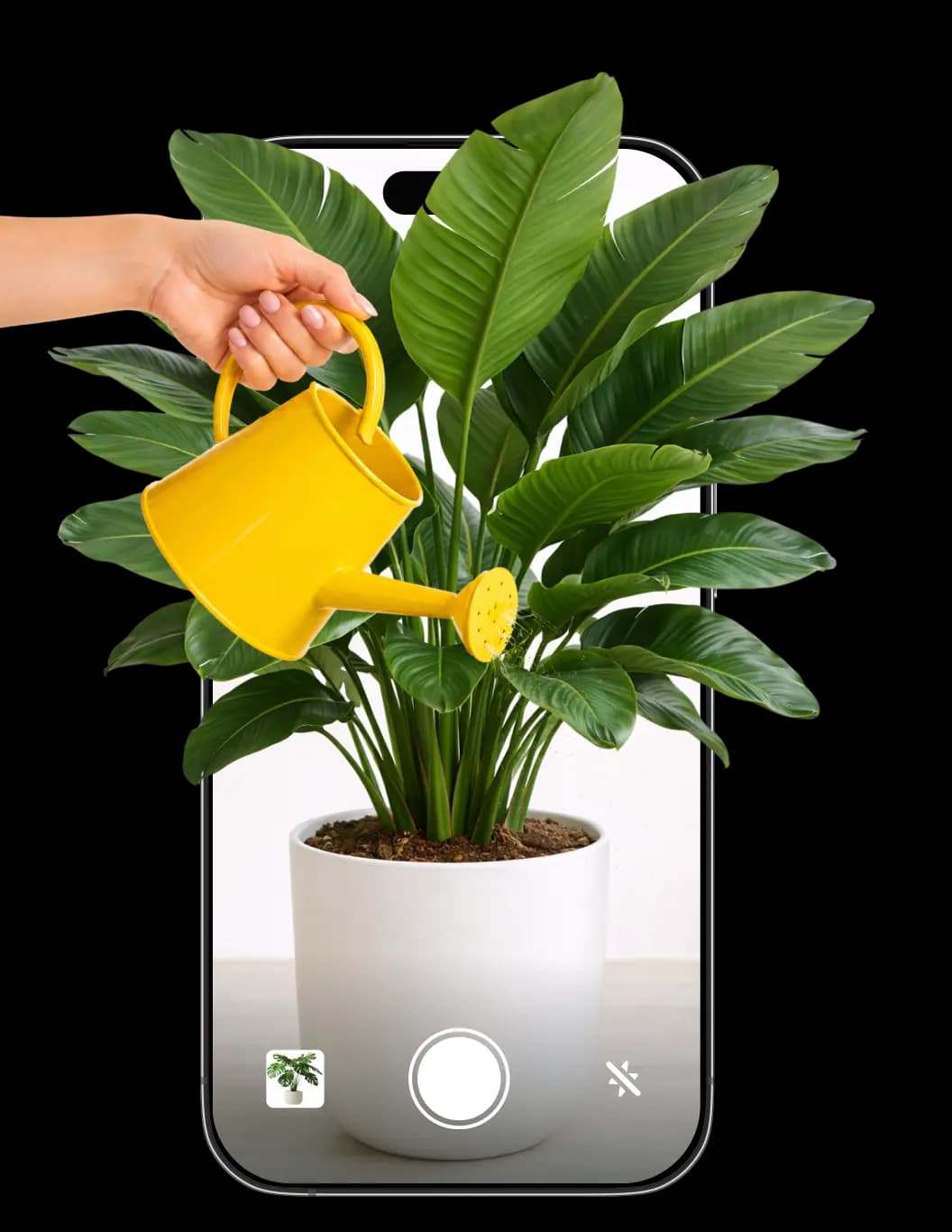
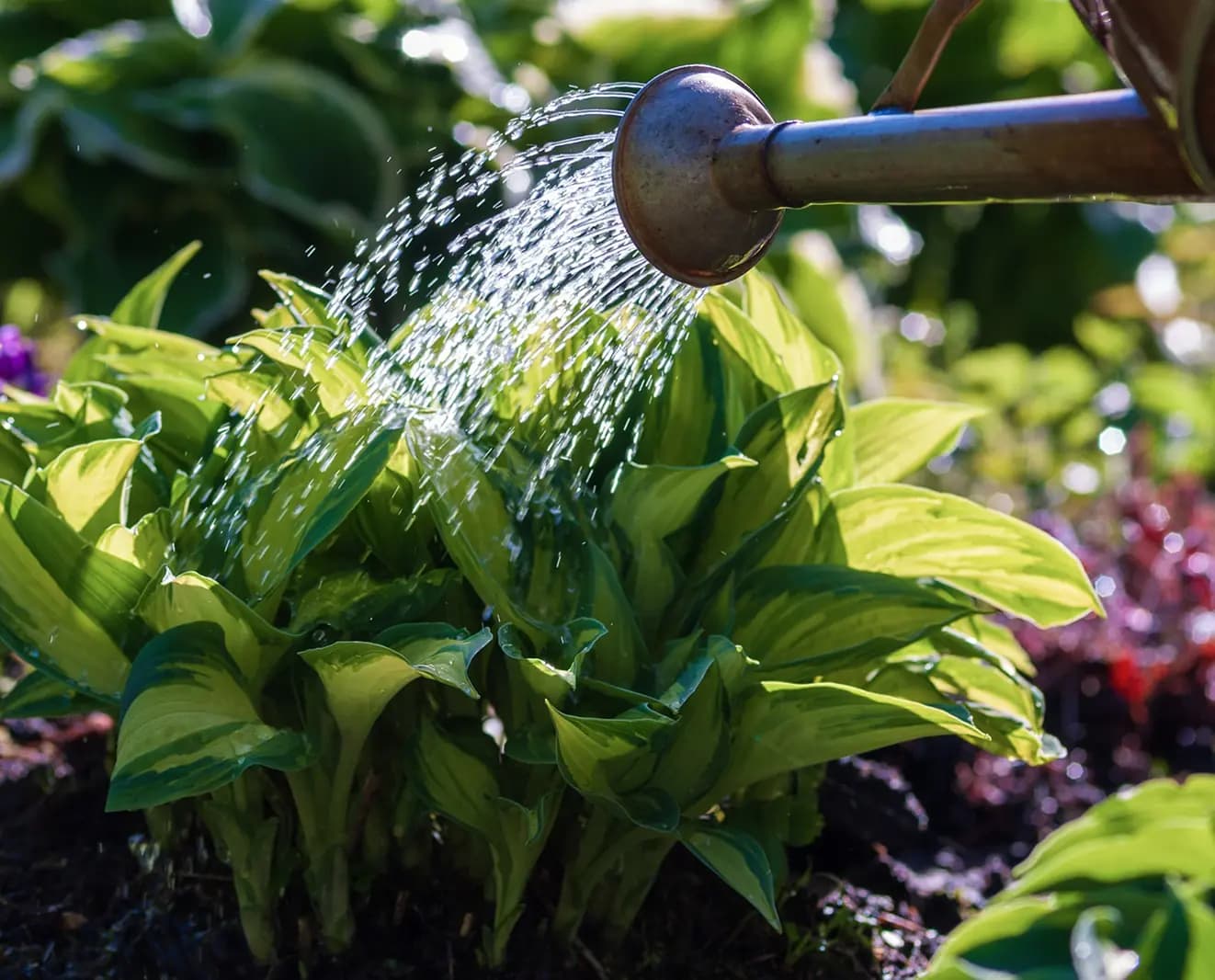
  • Pour room-temperature water slowly onto the soil surface near the pot edge, avoiding splashing the leaves and crown.
  • Moisten the entire root zone until water seeps from drainage holes, then stop to prevent prolonged pooling in the saucer.
  • After 10–15 minutes, discard any water collected in the saucer so the pot does not sit in standing moisture.
  • For bottom watering, place the pot in a shallow tray of water until the surface feels evenly moist, then remove.

Incorrect moisture levels often stress Streptocarpus ionanthus, disrupting growth and encouraging secondary health problems.

Yellowing Lower Leaves:

Older leaves fade and soften when soil stays wet too long, indicating developing root stress and suffocation.

Wilting Despite Damp Soil:

Limp foliage with moist mix usually signals root rot from chronic overwatering and poor aeration.

Crisp Leaf Edges:

Brown, papery margins often result from underwatering combined with low humidity or excessive heat.

Mushy Crown Center:

Soft, collapsing growth point commonly follows water collecting in the rosette and slow surface drying.

Dry, Shrinking Rootball:

Potting mix pulls from pot sides when repeatedly underwatered, reducing rewetting and root function.

Keep the root zone lightly moist, avoiding both soggy conditions and bone-dry cycles between waterings.

Unsuitable watering habits can stress Streptocarpus ionanthus, disturbing leaf, root, and flower development and making the plant more disease-prone.

  • Watering by calendar: Following a fixed schedule often keeps soil too wet or too dry; instead, water when the top surface just begins to feel dry.
  • Heavy, moisture-holding soil: Using dense garden soil suffocates roots; choose a light African violet mix with plenty of perlite for faster drainage.
  • Leaving water in saucer: Letting runoff sit under the pot keeps roots soaked; empty the saucer a few minutes after each watering.

Aim for evenly moist, airy soil, watering in response to dryness and drainage rather than fixed habits or convenience.

  • Spring: Growth usually increases; monitor soil more often and water when the top 0.5 inch feels dry, avoiding constant saturation.
  • Summer: In warm, bright rooms, water slightly more often and increase humidity, but keep the root zone lightly moist rather than wet.
  • Fall: As growth slows, extend the drying period a bit and reduce watering frequency while keeping leaves from wilting between waterings.
  • Winter: With cooler temperatures and shorter days, water less often, allowing the mix to dry a little deeper without letting it fully bone-dry.

Your African Violet Care Companion

Use Botan for a clear watering guide and simple care steps for Streptocarpus ionanthus, plus gentle photo-based checks that flag early signs of stress or common plant issues.

Botan plant care app — identify plants on mobile

FAQ

Check the top 0.5–1 inch (1–2 cm) of soil and water when it feels dry but before it becomes dusty or pulls from the pot edge. “How often to water” varies with light, temperature, and pot size.

More Plant Watering Guides

Is Your Watering Routine Hurting Your African Violet?

Botan helps review your watering routine so moisture stays within a healthy range.

Watering a plant with a copper watering can
What Plants Don't Like Epsom Salt?

11 min read · 29 Jul 2026

What Plants Don't Like Epsom Salt?

Learn which plants can be seriously damaged by Epsom salt and which will thrive on it. We’ll explain when and how to use it properly, provide tips for indoor & outdoor plants — read on and enjoy a healthy garden.

Plant Care
What Plants Don't Like Epsom Salt?
How to Water Houseplants: Watering Guide

7 min read · 24 Aug 2026

How to Water Houseplants: Watering Guide

Learn how often to water indoor plants, key factors for proper watering, and how to adjust the care routine by plant type, season, pot size, light, and indoor conditions.

Plant Care
How to Water Houseplants: Watering Guide
When to Harvest Carrots: Timing, Signs, and How to Pick Them

6 min read · 23 Oct 2026

When to Harvest Carrots: Timing, Signs, and How to Pick Them

Carrots are usually ready 60-80 days after sowing them in the soil, depending on the variety. Learn how to recognize maturity signs, choose the right harvest season, pull carrots without damaging them, and store roots after picking.

Plant Care
When to Harvest Carrots: Timing, Signs, and How to Pick Them