Firecracker plant (Russelia equisetiformis) Watering Guide

This page explains when, how often, and how much to water Russelia equisetiformis for consistent, reliable care.

Water Requirements

Moderate Water

Russelia equisetiformis Watering

Native to seasonally dry, warm regions, this plant experiences brief, heavier rains followed by lighter moisture periods. Russelia equisetiformis prefers slightly moist soil that never stays soggy for long. Watering Firecracker plant aims to mimic this alternating pattern of refreshment and mild drying.

Outdoors, it generally handles drier spells better than many flowering shrubs, while containers dry faster and demand closer monitoring. This basic balance between moisture and brief dryness guides all later watering decisions.

Let the top 1–2 inches (3–5 cm) of soil dry before watering again, keeping the root zone slightly moist but never soggy. In warm, bright conditions it typically needs water every few days, while in cooler weather or partial shade Russelia equisetiformis usually goes longer between waterings.

Water when the top 1-2 inches (3-5 cm) of soil feel dry, keeping Firecracker plant evenly moist, never soggy.

  • Pour room-temperature water slowly over the soil surface, circling the pot so moisture soaks the full root zone.
  • Continue adding water until it runs from the drainage holes, confirming the entire root ball is thoroughly moistened.
  • Let the pot drain completely over a sink or saucer, then discard any collected runoff after several minutes.
  • Keep water directed at the soil only, avoiding constant wetting of stems and foliage to reduce excess surface moisture.

Incorrect moisture levels disturb growth, stressing Russelia equisetiformis and weakening flowering performance over time.

Yellowing Lower Stems:

Older stems fade yellow and thin when soil stays wet, signaling poor drainage and oxygen-starved roots.

Soggy Potting Mix:

Persistently wet, heavy mix indicates overwatering or compacted soil, sharply increasing risk of root rot.

Crisp Brown Stem Tips:

Fine stems brown and crisp when containers dry completely, especially under intense sun and strong wind.

Sparse, Reduced Flowering:

Fewer tubular blooms appear when watering swings between extreme dryness and saturation, stressing developing shoots.

Wilting After Repotting:

Recently moved plants droop when disturbed roots sit in oversaturated mix, struggling to re-establish uptake.

Maintain lightly moist, fast-draining soil and avoid long periods of saturation or bone-dry conditions.

Unsuitable watering habits disrupt this plant’s preference for steady moisture and sharp drainage, making Russelia equisetiformis less resilient and floriferous.

  • Following a rigid schedule: Watering on a fixed calendar instead of checking soil moisture leads to stress; assess the top layer and adjust timing accordingly.
  • Using dense, soggy soil: Planting in heavy mixes that stay wet smothers fine roots; switch to a gritty, fast-draining blend with added mineral material.
  • Letting saucers stay full: Leaving pots standing in collected runoff keeps roots saturated; empty trays soon after watering to restore air space around roots.

Aim for a pattern of thorough watering followed by partial drying in a freely draining setup, guided by actual soil moisture.

  • Spring: Growth ramps up, so keep the root zone evenly moist, letting the top inch dry slightly between waterings, especially in containers.
  • Summer: In hot, dry weather, watering often increases; avoid full drying, but reduce frequency if planted outdoors in a rainy climate.
  • Fall: As temperatures ease and growth slows, gradually lengthen the dry period between waterings while still preventing complete soil dryness.
  • Winter: In mild, frost-free areas, maintain light but regular moisture; in cooler indoor settings, cut back watering to avoid cold, soggy soil.

Track Watering. Catch Problems Early

Use Botan for a clear watering guide and care steps for your Firecracker plant. The app can also help flag early issues from a simple photo so adjustments stay easy.

Botan plant care app — identify plants on mobile

Interesting Watering Facts

Thrives Near Water

In its native range from Mexico to Central America, this species is frequently found on rocky slopes and walls near streams or moist areas, indicating a natural preference for regular moisture with sharp drainage rather than arid desert-like conditions.


Rainfall Flush Flowering

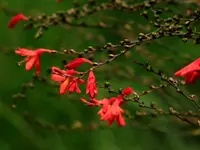
In warm climates, flowering often intensifies after periods of increased rainfall or irrigation, as the plant responds to higher soil moisture by producing more of its tubular red flowers that attract hummingbirds and nectar-feeding insects.

FAQ

Yes. Water lightly right after fertilizing to move nutrients into the root zone and avoid root burn. Use plain water, and ensure excess drains out so salts do not build up in the potting mix.

More Plant Watering Guides

Is Your Watering Routine Hurting Your Firecracker plant?

Botan reviews your watering pattern so adjustments stay simple and informed.

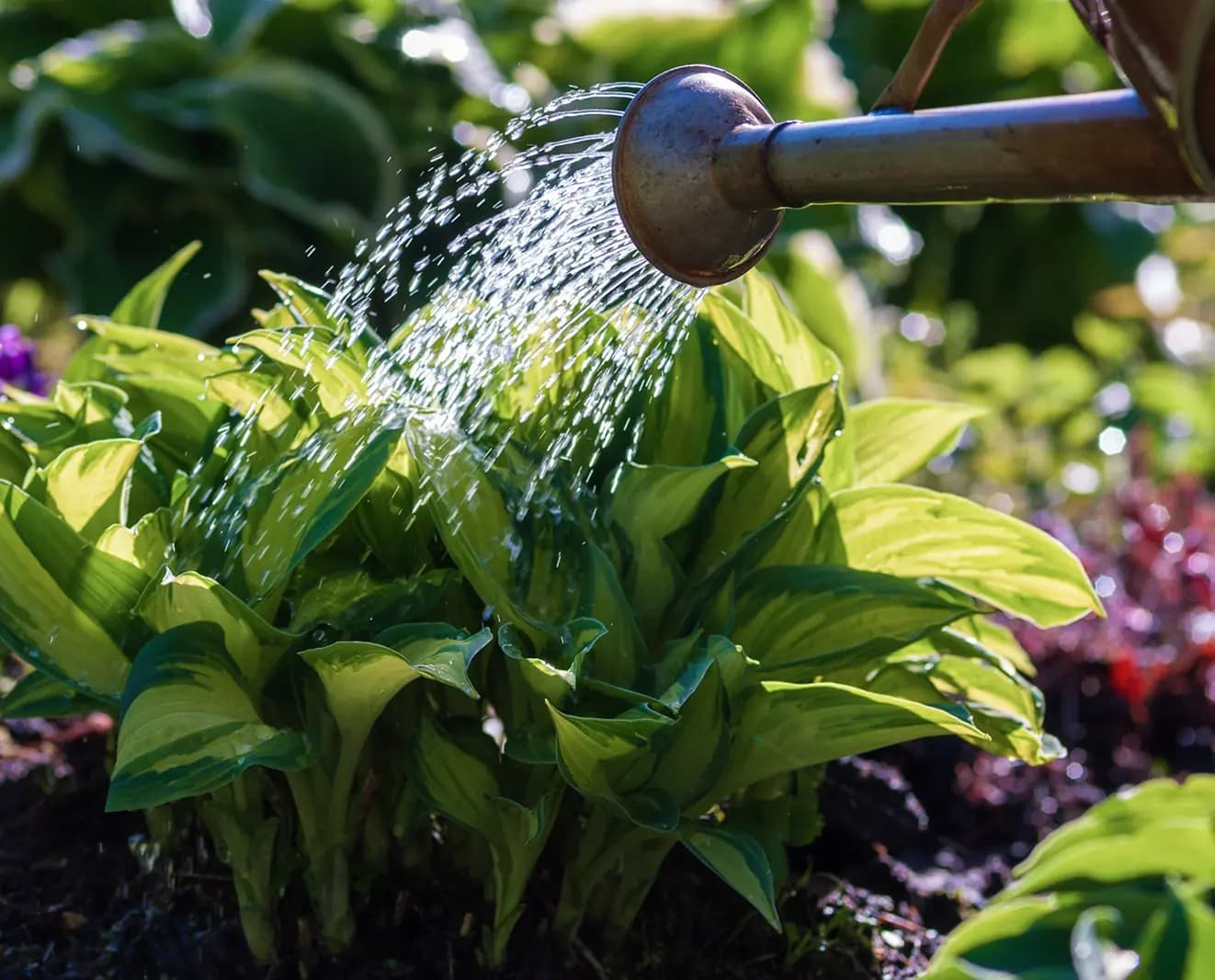
Watering a plant with a copper watering can
Best Time to Mow Lawn – A Complete Guide

5 min read · 10 Aug 2026

Best Time to Mow Lawn – A Complete Guide

Explore when to mow your lawn for its health and a pleasant green color. Find out the best time for this task during the summer heat, and follow practical tips for correctly cutting the grass, and learn common mistakes to avoid.

Plant Care
Best Time to Mow Lawn – A Complete Guide
How To Revive a Dying Plant: 6 Steps To Bring A Plant Back To Life

6 min read · 1 Sept 2026

How To Revive a Dying Plant: 6 Steps To Bring A Plant Back To Life

Drooping leaves and brown tips don't always mean the end, and a weakened plant can often recover with a little help. These six simple steps will help you revive a dying plant and restore its health.

Plant Care
How To Revive a Dying Plant: 6 Steps To Bring A Plant Back To Life
Top 5 Best Indoor Plants for Air Quality

5 min read · 11 Sept 2026

Top 5 Best Indoor Plants for Air Quality

Indoor plants can make a room feel fresher thanks to their air-purifying qualities. Here are 5 of the most suitable choices for your routine and living space.

Plant Recommendations
Top 5 Best Indoor Plants for Air Quality