peacock plant (Goeppertia makoyana) Watering Guide

This page explains when, how often, and how much to water Goeppertia makoyana for steady, healthy growth.

Water Requirements

Keep Soil Moist

Goeppertia makoyana Watering

Native to humid tropical forests, this plant thrives with steady moisture and dislikes extended dryness. Indoors, the goal is gently, consistently damp soil that never turns soggy. Goeppertia makoyana usually receives filtered moisture from its environment rather than intense dry spells.

For watering peacock plant successfully, think of light, regular replenishing instead of deep, infrequent soakings. Indoors, conditions are easier to control, while outdoor plants often face stronger swings in heat and airflow.

Water when the top 1–2 inches (3–5 cm) of soil feel dry, rather than by a fixed schedule. Indoors, this usually means about once a week in warm, bright conditions and less often in winter. Higher light and temperature shorten the interval, while lower light extends it.

Water peacock plant when the top 1 inch (2–3 cm) of soil feels dry, keeping moisture consistent but never saturated.

  • Pour room-temperature, low-mineral water slowly over the soil surface, circling the pot so moisture spreads evenly throughout.
  • Moisten the root zone until water begins to drain from the bottom, then pause briefly to let the soil settle.
  • Let excess water drain completely from the saucer within 10–15 minutes so the pot does not sit in standing water.
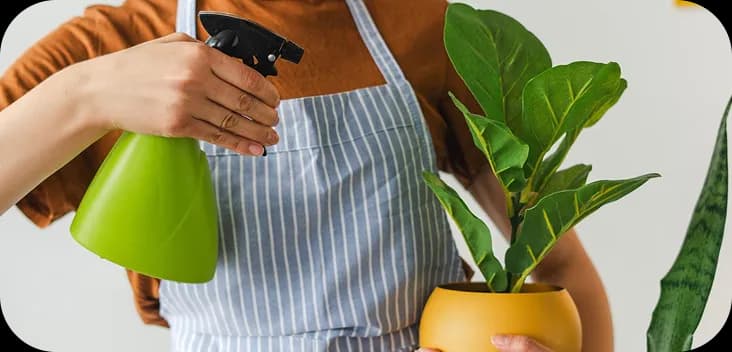
  • Keep water off the leaves and crown; direct the flow at the soil to reduce lingering surface moisture.

Incorrect moisture balance can trigger several health problems for Goeppertia makoyana indoors.

Brown Leaf Edges:

Crispy margins signal chronic underwatering or low humidity combined with fast-drying potting mix.

Yellowing Lower Leaves:

Older leaves turning pale and dropping usually indicate persistent excess moisture and poor drainage around roots.

Wilting Despite Moist Soil:

Floppy foliage with wet substrate often reflects early root rot from prolonged saturation.

Faded Leaf Pattern:

Dull, washed-out markings commonly result from irregular watering cycles and repeated near-complete drying.

Mushy Root System:

Soft, dark roots and sour-smelling soil confirm severe waterlogging requiring immediate repotting and pruning.

Keep roots in lightly moist, airy soil, avoiding both full dryness and prolonged saturation.

Unsuitable watering habits can quickly stress Goeppertia makoyana, disrupting growth and leaf patterning in this moisture-loving yet air-sensitive tropical plant.

  • Following a rigid schedule: Watering on a calendar instead of checking soil moisture can keep roots too wet or too dry; test the top layer first.
  • Using dense, heavy soil: Planting in compact soil holds water around roots too long; use a light mix with perlite or fine bark for drainage.
  • Letting runoff sit in saucers: Leaving drained water under the pot keeps the root zone saturated; empty saucers a few minutes after watering.

Aim for evenly moist, never soggy soil, adjusting watering to current room conditions and the potting mix’s drying speed.

  • Spring: Growth usually picks up, so check moisture more often and water when the top 1 inch feels slightly dry, not sooner.
  • Summer: Higher heat and faster evaporation mean soil may dry quickly; monitor closely but avoid keeping it constantly saturated to prevent root rot.
  • Fall: As growth slows, extend the time between waterings and let the surface dry a bit more before adding water.
  • Winter: In cooler, lower-light rooms, the plant drinks less; water sparingly but never allow the root zone to dry out completely.

Your peacock plant Care Companion

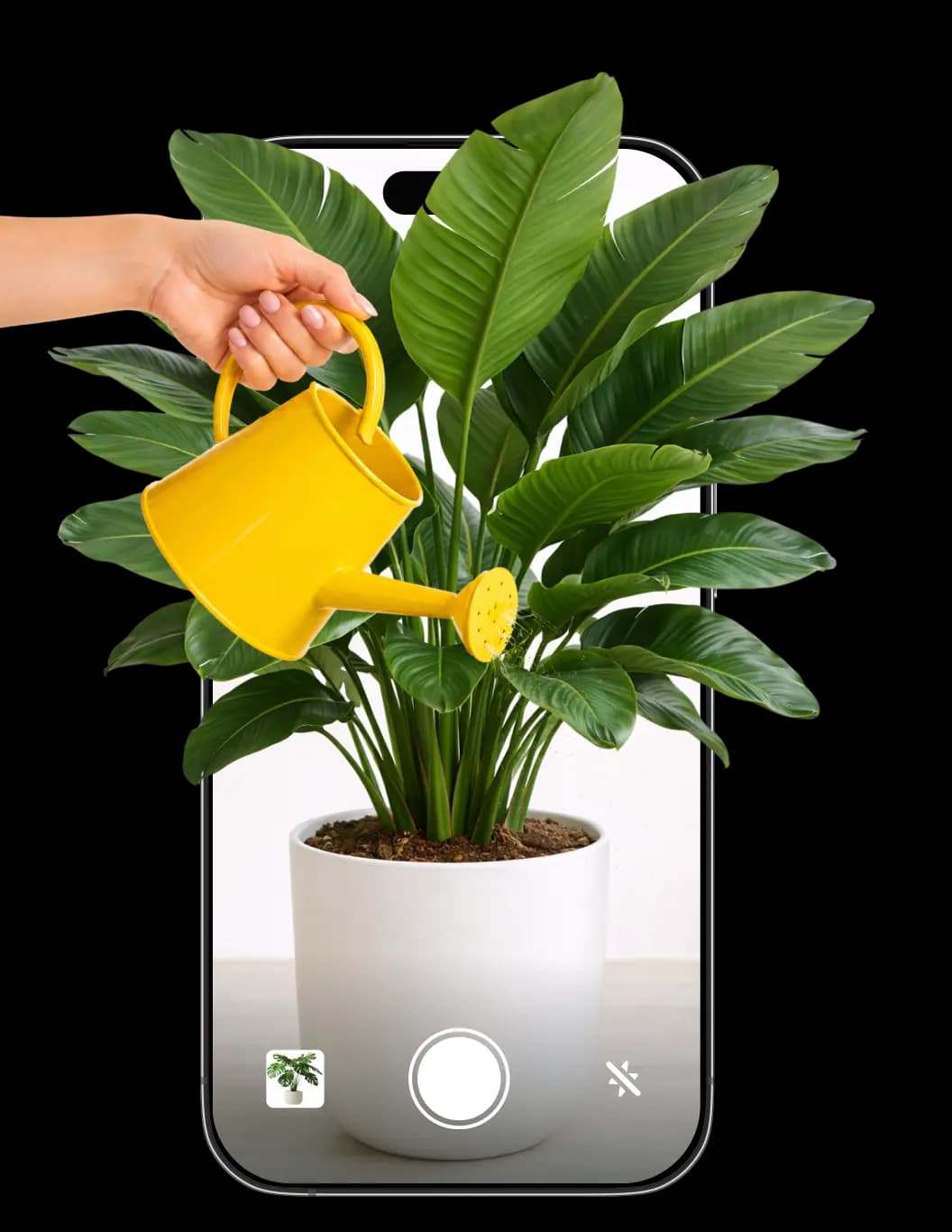
Use Botan for a clear watering guide and simple care steps for your peacock plant. The app can also review plant photos to help spot early issues and suggest gentle adjustments.

Botan plant care app — identify plants on mobile

FAQ

Yellowing after watering usually means roots stay too wet. Common causes are poor drainage, heavy soil, or watering too often. Let the top inch of soil dry, improve drainage, and empty saucers promptly.

Everything About peacock plant

More Plant Watering Guides

Is Your Watering Routine Hurting Your peacock plant?

Use Botan to see if current watering matches your plant’s needs.

Watering a plant with a copper watering can
How to Increase Humidity for Plants – 8 Simple Ways That Work

8 min read · 14 Aug 2026

How to Increase Humidity for Plants – 8 Simple Ways That Work

Dry indoor air stresses a lot of houseplants. You usually notice it first in the browning leaf tips. This guide describes 8 simple ways to raise the moisture around your plants, from humidifiers to pebble trays.

Plant Care
How to Increase Humidity for Plants – 8 Simple Ways That Work
10 Easy Garden Flowers to Grow

8 min read · 10 Sept 2026

10 Easy Garden Flowers to Grow

Discover 10 garden flowers that require minimal care. Learn which characteristics make plants easy to grow and follow tips on how to create a beautiful corner from beginner-friendly blooms on your property.

Beginner Guides
10 Easy Garden Flowers to Grow
12 Best Plants for Bathroom That Thrive in Humid Conditions

9 min read · 29 Sept 2026

12 Best Plants for Bathroom That Thrive in Humid Conditions

Discover the 12 best plants for bathroom spaces. Each pick comes with its own advantages, plus light, humidity, watering, and placement tips. Take a look and match the plant to your specific bathroom.

Plant Recommendations
12 Best Plants for Bathroom That Thrive in Humid Conditions