Rain-triggered flowering
In its native range, buds often swell and proceed to bloom after periods of increased rainfall and humidity, reflecting an adaptation to episodic wet seasons in tropical forests.

This page explains when, how often, and how much to water Epiphyllum oxypetalum for steady, controlled growth.

Water Requirements
Moderate Water

This rainforest cactus grows where tree bark dries between short bursts of humidity, so roots enjoy brief moisture, not saturation. Indoors, treating the potting mix like a lightly moist, fast-drying medium suits Epiphyllum oxypetalum well. For outdoor plants, garden soil can hold a touch more residual moisture than indoor containers.
In practice, watering Queen of The Night means letting the mix approach dryness, then rehydrating moderately. This overview frames how to water Queen of The Night before precise guidelines later.
Water when the top 1–2 inches (3–5 cm) of soil feel completely dry. This usually means about every 10–21 days in warm, bright indoor conditions, but treat the soil dryness as the main guide. Hotter weather or strong sun shortens the interval, while cooler rooms lengthen it.
Water Queen of The Night when the top 1-2 inches (3-5 cm) of soil feel dry, using a slow, controlled soak.
Incorrect moisture levels can disrupt Epiphyllum oxypetalum growth, stressing roots, stems, and flowers.
Segment edges wrinkle and hang when soil stays dry too long between thorough waterings.
Pale, soft segments suggest chronic saturation and poor drainage suffocating the root system.
Dark, collapsing joints usually indicate advanced rot from dense, waterlogged potting mix.
Tiny buds dry or drop when watering is inconsistent during active growth and bud formation.
Maintain lightly moist, fast-draining soil, letting the top layer dry before each deep watering.
Unsuitable watering habits can stress Queen of The Night, weakening its stems and limiting flowering over time, even in good light.
Prioritize freely draining soil, responsive watering based on dryness, and containers that release excess moisture to keep this epiphyte stable.

Plant Water Guide
Learn how much water your plant needs and keep its routine on track
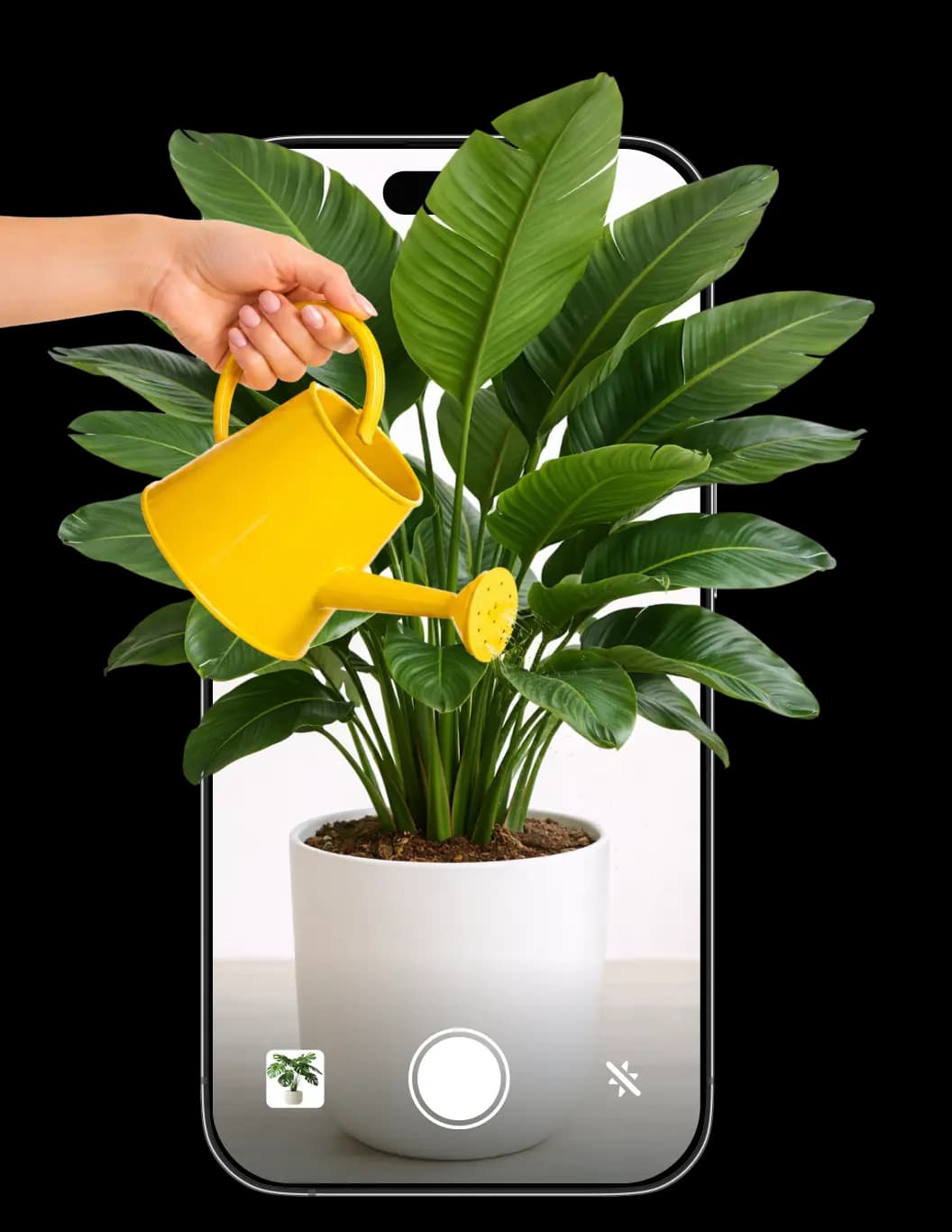
Use Botan for a clear Epiphyllum oxypetalum watering guide, step-by-step care reminders, and gentle photo-based checks that help notice leaf or stem issues before they worsen.
In its native range, buds often swell and proceed to bloom after periods of increased rainfall and humidity, reflecting an adaptation to episodic wet seasons in tropical forests.
Unlike many desert cacti, this species grows as an epiphyte in shaded, humid forest canopies, so its roots are adapted to brief moisture with rapid drainage rather than long, deep soil drying.
Use room‑temperature water and soak the soil evenly until excess drains from the pot. Let the top 1–2 inches (3–5 cm) dry before watering again to prevent root rot in this semi‑succulent species.
Botan quickly reviews your watering pattern so adjustments feel simple and informed.

9 min read · 29 Sept 2026
Discover the 12 best plants for bathroom spaces. Each pick comes with its own advantages, plus light, humidity, watering, and placement tips. Take a look and match the plant to your specific bathroom.
7 min read · 13 Aug 2026
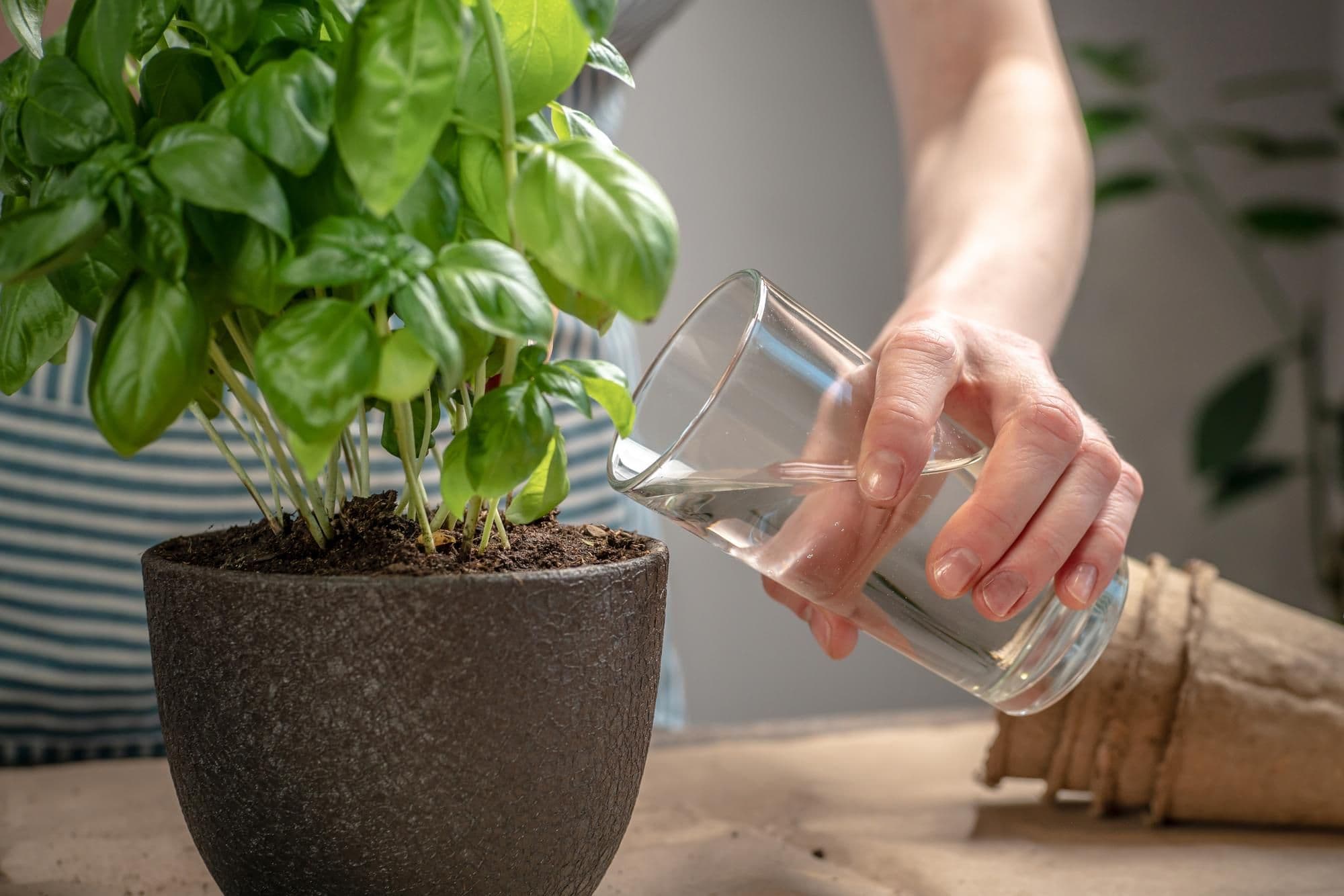
Rainwater, filtered, distilled, and tap water affect plants differently. Learn which types support healthy growth and which cause slow damage. Match each to your plants and discover how to easily improve tap water quality.
7 min read · 28 May 2026
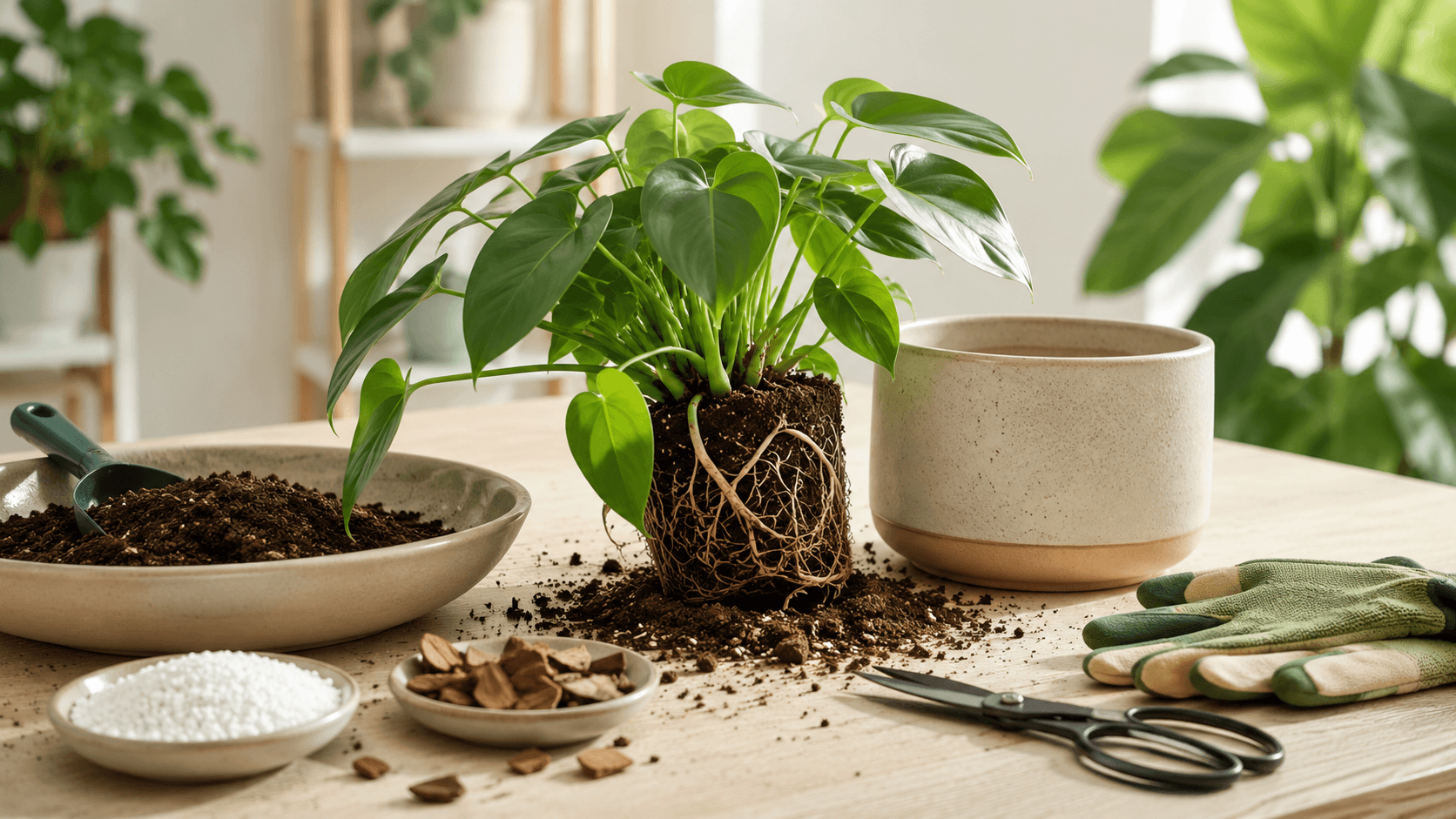
In spring, many plants need repotting—an essential part of care. To avoid stress, consider the plant’s type and size. This article offers a step-by-step guide for repotting indoors or outdoors and shows how to check plant health and get care tips using the Botan app.