Seasonal Leaf Shedding
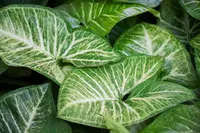
In its monsoon-influenced native range, Ficus benjamina often drops a noticeable number of leaves during the dry season, a response to reduced soil moisture that helps limit water loss through transpiration.

This page explains when, how often, and how much to water Ficus benjamina for steady, healthy growth.

Water Requirements
Moderate Water

This page introduces watering Weeping Fig in simple terms, focusing on steady moisture without staying saturated. In its warm, seasonally rainy habitats, Ficus benjamina experiences moist periods followed by gentle drying.
Indoors, treat it as a plant that likes slightly moist soil, not constant wetness or bone-dry conditions. The basic approach is moderate, balanced watering that respects this mild cycle before fine-tuning for your specific space.
Let the top 1–2 inches (3–5 cm) of soil dry before watering again; this is the main guide for Ficus benjamina. Indoors, this usually means watering about every 7–14 days, but brighter light or warm, active growth shortens the interval, while lower light or cooler rooms lengthen it.
Water Weeping Fig when the top 1–2 inches (3–5 cm) of soil feel dry, using slow, even applications to moisten the root zone.
Incorrect moisture around Ficus benjamina often leads to stress, leaf loss, and decline over time.
Older leaves turn pale, then drop, usually from chronically wet soil and sluggish drainage.
Leaf margins dry and crumble when the root zone stays too dry between waterings.
Large numbers of leaves fall after sharp shifts between soggy soil and underwatering.
Roots feel soft, soil smells sour, indicating prolonged saturation and possible root rot.
Irrigation pools instead of soaking in, suggesting compacted mix or obstructed drainage holes.
Aim for thorough watering, then allow the top mix to dry slightly, avoiding extremes in either direction.
Unsuitable watering habits weaken Ficus benjamina by stressing its fine roots, which prefer steady moisture, not extremes or stagnation.
Safer watering means checking the potting mix, then adding water thoroughly but allowing excess to drain and the surface to dry slightly.

Plant Water Guide
Learn how much water your plant needs and keep its routine on track
Use Botan for a simple Ficus benjamina watering guide, tailored care reminders, and gentle photo-based issue checks so problems are noticed and addressed earlier in your plant’s routine.

In its monsoon-influenced native range, Ficus benjamina often drops a noticeable number of leaves during the dry season, a response to reduced soil moisture that helps limit water loss through transpiration.
Wild Ficus benjamina commonly grows along riverbanks and seasonal floodplains, where it can tolerate short periods of waterlogged soil followed by drier conditions, making it adapted to fluctuating moisture rather than constant wetness.
This species develops dense, fine root mats near the soil surface that quickly exploit light rains or surface moisture, an adaptation to environments where water arrives in brief, irregular pulses rather than steady, deep soaking.
Let the top 1–2 inches (3–5 cm) of soil dry before watering again. In typical indoor conditions, this means about once a week, but adjust based on light, temperature, and potting mix.
Botan quickly checks if your plant’s watering pattern stays on track.
6 min read · 1 Sept 2026
Drooping leaves and brown tips don't always mean the end, and a weakened plant can often recover with a little help. These six simple steps will help you revive a dying plant and restore its health.

8 min read · 17 Sept 2026
Some plants thrive in dim rooms, shaded corners, and places with indirect light. In this guide, you’ll explore the top 15 species best suited to low-light conditions and how to care for them.
6 min read · 19 Aug 2026
A plant can lose its leaves, stop growing, or collapse and still remain alive. A closer look at the stems, roots, bulbs, and tubers can show whether the plant still has a chance to recover.