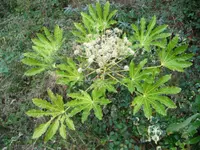
Japanese aralia (Fatsia japonica) Watering Guide

This page explains when, how often, and how much to water Fatsia japonica for steady, healthy growth.

Water Requirements

Moderate Water

Fatsia japonica Watering

This broadleaf evergreen comes from mild, rainfall-rich woodlands, so it prefers soil that stays slightly moist, not soggy. Fatsia japonica usually thrives with watering that mimics steady, gentle moisture rather than long dry spells.

Indoors, watering Japanese aralia focuses on stable moisture, while outdoor plants tolerate a bit more natural drying. Understanding how to water Japanese aralia starts with this balance between consistent dampness and brief, light drying at the surface.

Indoors, this plant typically needs watering about once every 7–10 days in active growth, but timing should follow soil dryness, not the calendar. Water again when the top 1–2 inches (3–5 cm) feel dry. Brighter light or warm outdoor conditions shorten the interval, while cooler, lower-light spots extend it.

Water Japanese aralia when the top 1–2 inches (3–5 cm) of potting mix feel dry, aiming for slow, even saturation.

  • Pour room-temperature water over the soil surface around the base, avoiding direct contact with stems and lower leaves.
  • Apply water in several passes until you see a steady trickle draining from the bottom of the pot.
  • Let the container drain fully, then empty saucers or cachepots so the root zone does not stand in leftover water.
  • For large containers, rotate the pot while watering to moisten the entire root ball, not just one side.

Incorrect moisture levels quickly stress Fatsia japonica and lead to avoidable health problems indoors or outdoors.

Yellowing Lower Leaves:

Older leaves turn uniformly yellow and drop from chronic overwatering, especially in poorly draining containers or beds.

Limp, Browning Leaf Edges:

Leaf margins dry, curl, and brown when soil repeatedly dries beyond the upper root zone.

Soft, Blackened Stems:

Basal stems feel mushy and darken when roots suffocate in saturated, airless soil conditions.

Wilting In Wet Soil:

Foliage droops despite moist mix, signaling root decline from prolonged waterlogging or compacted substrate.

Mossy, Sour-Smelling Surface:

Green growth and sour odor on potting mix indicate persistent excess moisture and inadequate evaporation indoors.

Keep soil consistently lightly moist, allowing the top layer to dry slightly while avoiding prolonged saturation.

Poor watering habits can stress Fatsia japonica, weakening growth and making Japanese aralia more vulnerable to pests, leaf loss, and disease.

  • Following a fixed schedule: Watering by calendar instead of checking soil moisture leads to stress; test the top inch and water only when it feels dry.
  • Using heavy, dense soil: Planting in compact potting mix holds too much water; choose a loose, chunky mix that drains quickly yet retains some moisture.
  • Letting water sit in saucers: Leaving runoff in saucers keeps roots submerged; always empty excess water shortly after watering so roots can breathe.

Focus on responsive watering: observe the soil, container, and environment, then adjust amounts and timing rather than following rigid routines.

  • Spring: Growth restarts, so check soil more often and water when the top layer dries, avoiding long periods fully dry.
  • Summer: In heat or bright outdoor shade, water more frequently, keeping soil lightly moist but not soggy, especially in containers.
  • Fall: As temperatures drop and growth slows, extend the time between waterings while preventing the root ball from completely drying out.
  • Winter: With reduced light and semi-dormant growth, water sparingly, letting the top half of the potting mix dry before rewatering.

Your Japanese aralia Care Companion

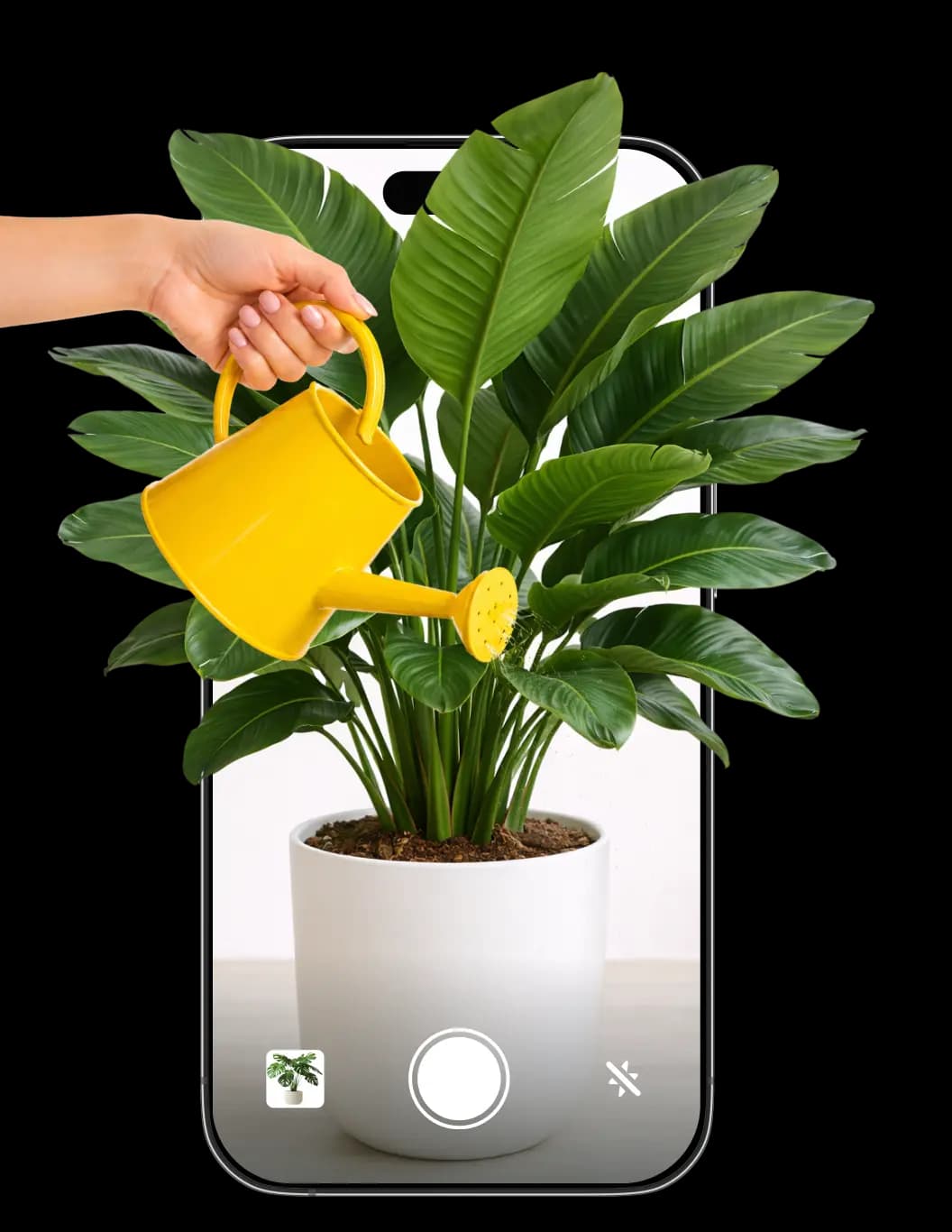
Use Botan for a clear watering guide and practical care steps for your Japanese aralia, plus gentle photo-based checkups that help spot early signs of stress or pests.

Botan plant care app — identify plants on mobile

Interesting Watering Facts

Thrives in moist shade

In its native Japanese woodland habitat, Fatsia japonica grows under tree canopies where soil stays evenly moist but not waterlogged, so in cultivation it prefers consistent moisture with good drainage rather than drying out completely.


Tolerant of coastal spray

Fatsia japonica is often planted in mild coastal regions because its thick, leathery leaves cope reasonably well with salt‑laden wind, as long as roots have access to fresh, not saline, soil moisture.

Handles brief dryness

Although it comes from naturally moist forests, Fatsia japonica can withstand short dry spells thanks to its relatively thick stems and leaves, which reduce water loss, but prolonged drought still leads to leaf scorch and drop.

FAQ

Check the top 1–2 inches (3–5 cm) of soil and water when dry. In average indoor conditions, this is often every 7–10 days, less in winter and more with strong heat or light.

Everything About Japanese aralia

More Plant Watering Guides

Is Your Watering Routine Hurting Your Japanese aralia?

Use Botan to review your watering routine and keep moisture levels on track.

Watering a plant with a copper watering can
Best Time to Water Grass in Summer – Lawn Watering Tips

5 min read · 21 Jul 2026

Best Time to Water Grass in Summer – Lawn Watering Tips

Summer watering is easy to get wrong. This guide explains when to turn on your sprinkler, how much liquid your grass needs each week, and how to tell if you're overwatering or underwatering.

Plant Care
Best Time to Water Grass in Summer – Lawn Watering Tips
Thorny Plants: A Comprehensive Guide

10 min read · 25 Aug 2026

Thorny Plants: A Comprehensive Guide

Many plants defend themselves with sharp thorns. This guide explores over 20 examples among flowers, shrubs, trees, and vines. You'll learn what each plant looks like, why it grows thorns, and how to quickly identify them.

Plant Recommendations
Thorny Plants: A Comprehensive Guide
Banana Peel Water for Plants: 5 Things to Know Before Trying It

5 min read · 9 Jul 2026

Banana Peel Water for Plants: 5 Things to Know Before Trying It

Banana water can provide potassium and some nutrients that may support plant growth, but it is not a universal fix. Use it carefully and only when the plant actually shows signs of nutrient deficiency rather than as a routine treatment.

Plant Care
Banana Peel Water for Plants: 5 Things to Know Before Trying It