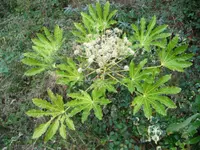






Best Soil for Japanese aralia (Fatsia japonica)

Fatsia japonica grows best in a moisture-retentive yet airy soil that supports steady root growth and long-term plant health.

Soil Texture

Loamy, Clay, Organic-rich

Soil pH

Acidic (5.5–6.5), Slightly acidic (6.5–7.0)

Soil Drainage

Moist but well-drained

Fatsia japonica Soil Guide

Native to Japan, Korea, and Taiwan, Fatsia japonica grows in mild, humid woodland conditions where soil stays evenly moist but not stagnant. That background explains why it prefers a loamy, organic-rich substrate that holds some moisture while still letting excess water move through.

The best soil for Japanese aralia feels open rather than dense. Its roots benefit from steady air in the root zone, so clay-heavy soil should still drain well and avoid staying waterlogged. Slightly acidic to near-neutral conditions also suit this species and support steady root function.

A custom mix helps balance moisture retention and airflow more precisely than many standard bagged products. For Fatsia japonica, aim for a mix that feels rich but not dense.

100% total mix = 20 scoops
15%
fine bark3 scoops
20%
perlite or pumice4 scoops
25%
compost or leaf mold5 scoops
40%
high-quality potting soil8 scoops

The finished blend should feel lightly springy, crumbly, and evenly moist, with excess water moving through without leaving the root zone soggy.

A slightly acidic to near-neutral range of about 5.5–7.0 suits Japanese aralia well. Within that range, key nutrients stay available without becoming overly restricted in the root zone.

Fatsia japonica is fairly comfortable across mild acidity, but strongly alkaline soil can reduce access to nutrients over time. A moderate pH helps support steady, balanced growth.

This species can struggle when the root zone stays stressed for long periods. Check the soil first when growth slows or the plant seems less vigorous.

Compacted soil:

Compacted soil: If the surface hardens and water lingers too long, gently loosen the top layer and plan to replace the mix with a more open one.

Waterlogged mix:

Waterlogged mix: A heavy, airless medium can keep roots oxygen-starved, so let excess moisture drain fully and move the plant into a better-structured substrate if needed.

Dry pockets:

Dry pockets: Peaty or old mix can repel water and stay unevenly moist, so rehydrate the root ball slowly and make sure future moisture spreads evenly.

Salt buildup:

Salt buildup: A crust on the soil surface may point to mineral accumulation, so remove the top layer and flush the mix thoroughly if drainage is good.

Find the Right Soil

Botan helps match this plant to a soil setup that fits its growth habit, container, and indoor conditions.

FAQ

Yes. Drainage holes help excess water leave the container, which lowers the risk of stale, airless conditions around the roots. That matters more than any single ingredient in the best soil for Japanese aralia.

Everything About Japanese aralia

More Plant Soil Guides

Scan for Soil Problems

Use Botan’s photo-based assessment to see whether a visible issue may be linked to soil conditions and what to check next.

Botan app helping with soil and plant care
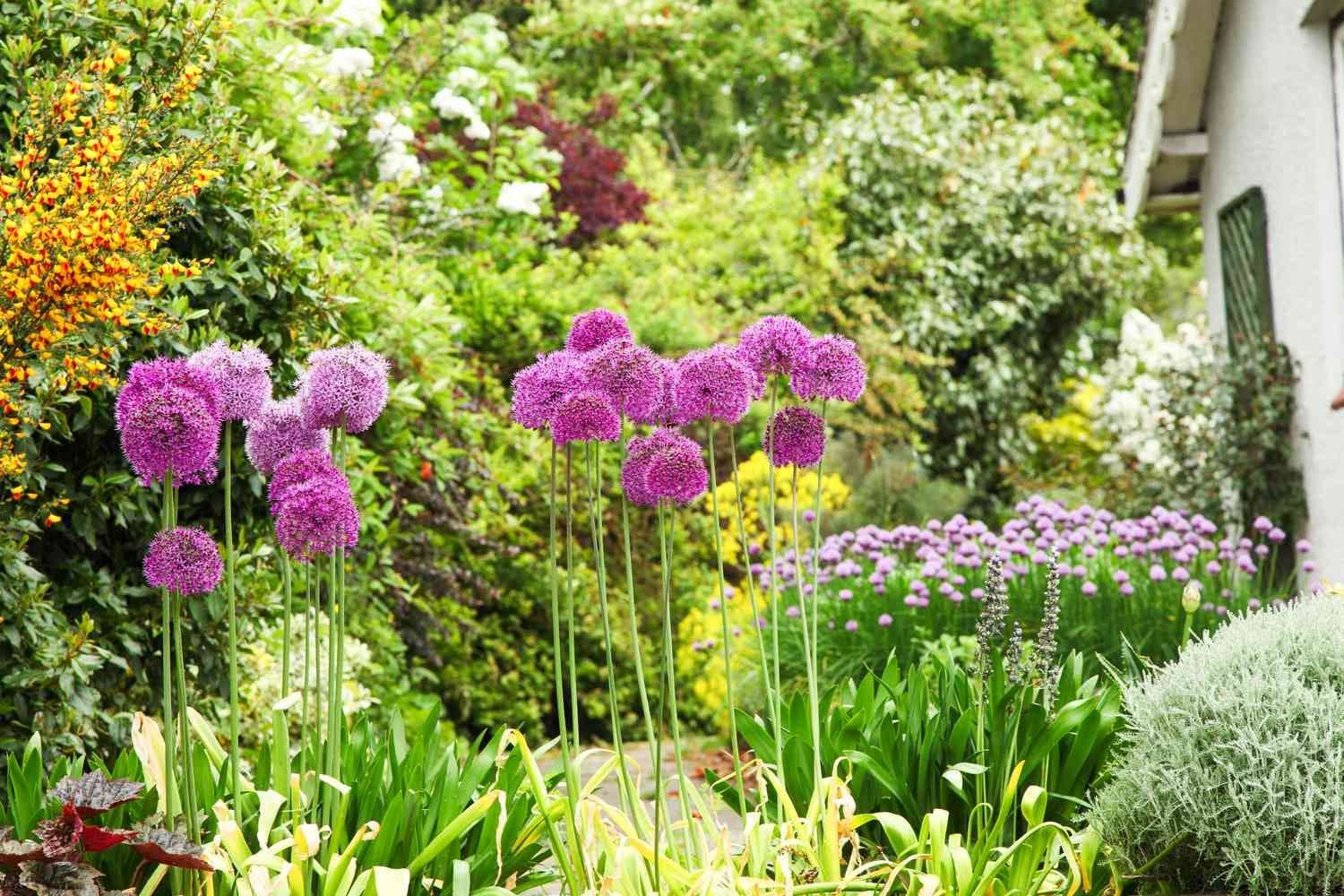
Plants That Repel Mosquitoes – 10 Effective Choices

8 min read · 6 Jul 2026

Plants That Repel Mosquitoes – 10 Effective Choices

Plants that repel mosquitoes can help mask human scent naturally and make outdoor spaces more comfortable. Explore the most effective options, their benefits and drawbacks, and choose the right plant for your space.

Plant Recommendations
Plants That Repel Mosquitoes – 10 Effective Choices
How to Clean Plant Leaves: A Simple Care Guide

6 min read · 4 Aug 2026

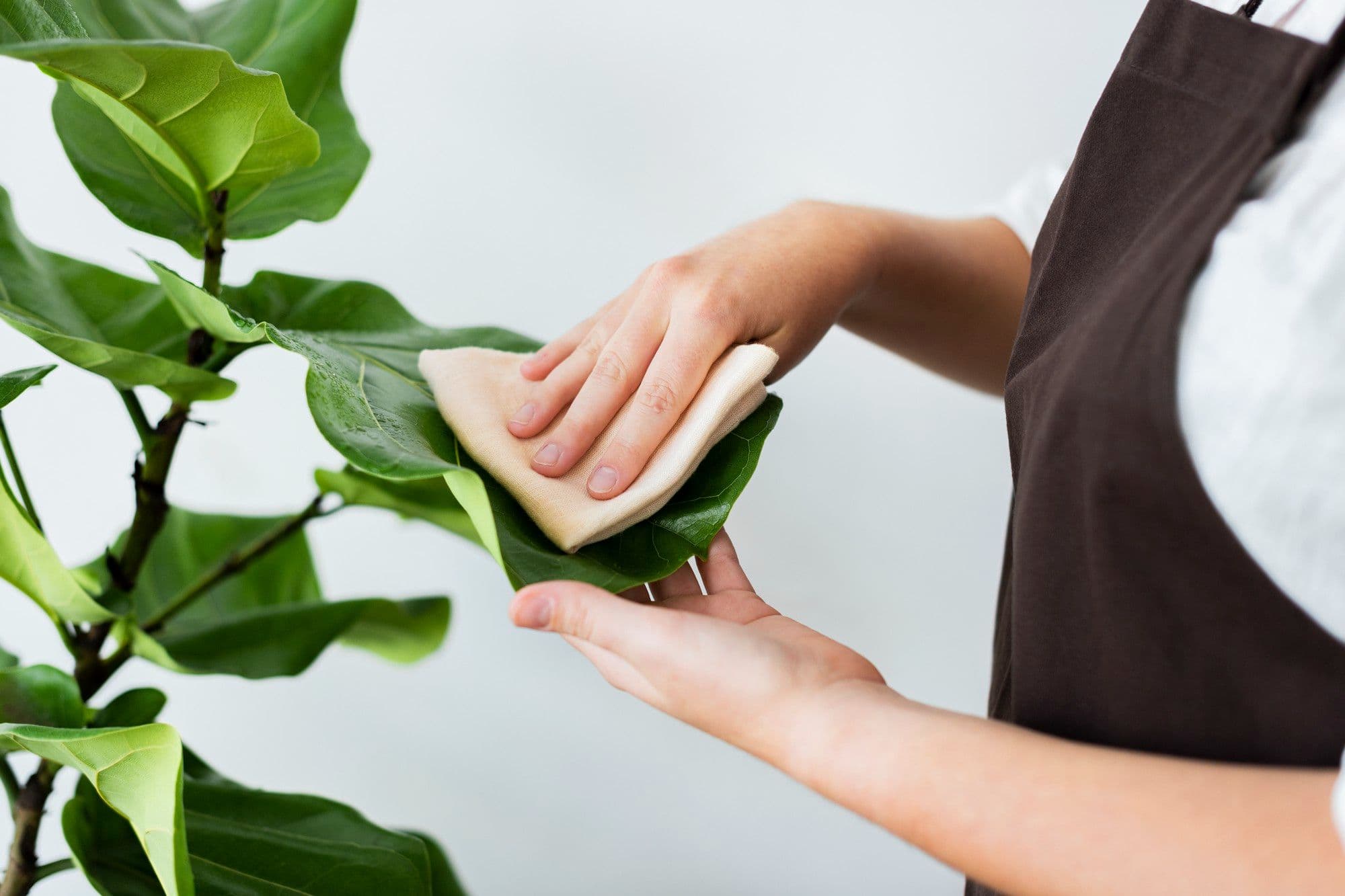
How to Clean Plant Leaves: A Simple Care Guide

Dusty leaves look dull and don't absorb light well. Below, you'll find simple ways to clean them, which tools are truly effective, how often you should do it, and what causes damage.

Beginner Guides
How to Clean Plant Leaves: A Simple Care Guide
Rice Water for Plants – Which Plants Love It and How to Make It

8 min read · 14 Jul 2026

Rice Water for Plants – Which Plants Love It and How to Make It

Rice water can be an ideal DIY solution for orchids, roses, or fruiting plants. It supports growth, leaf count, and height. We’ll share how to make and apply it correctly for your plant.

Plant Care
Rice Water for Plants – Which Plants Love It and How to Make It