Best Soil for Areca Palm (Dypsis lutescens)

Dypsis lutescens grows best in a loose, organic-rich mix with steady moisture, good drainage, and slightly acidic to near-neutral pH for healthy roots.

Soil Texture

Sandy, Loamy, Organic-rich

Soil pH

Acidic (5.5–6.5), Slightly acidic (6.5–7.0)

Soil Drainage

Moist but well-drained

Dypsis lutescens Soil Guide

Native to Madagascar, Dypsis lutescens grows in warm conditions where the ground stays lightly moist but still drains freely. That background explains why it prefers soil that holds some moisture without becoming dense or soggy.

A loose, sandy-loamy texture with plenty of organic matter suits its fine, fibrous roots. Good aeration helps those roots spread and take up water evenly, while steady moisture retention prevents the root zone from drying too fast. The best soil for Areca Palm is slightly acidic to neutral and consistently well-drained.


A simple homemade mix can give Dypsis lutescens the balance of airflow and moisture retention it needs in a container.

100% total mix = 20 scoops
15%
coarse sand or coco coir3 scoops
20%
perlite or pumice4 scoops
25%
pine bark fines or orchid bark5 scoops
40%
high-quality potting soil8 scoops

The finished blend should feel light, slightly springy, and crumbly, with enough structure to stay moist briefly but drain freely afterward.

Soil issues often develop gradually with this palm, especially when the root zone stays stale for too long. Areca Palm may react more to poor structure than many growers expect.

Compaction:

Compaction: If the surface hardens and water stops soaking in evenly, gently loosen only the top layer and plan to refresh the mix soon.

Sour soil:

Sour soil: A musty smell or lingering dampness can point to low airflow around roots, so increase aeration and let excess moisture escape fully.

Salt buildup:

Salt buildup: A pale crust on the surface suggests accumulated minerals, so scrape off the top layer and flush the container thoroughly.

Shrunken mix:

Shrunken mix: If the soil pulls away from the pot edge, rewet it slowly and check whether the structure has broken down too far.

Soil Help, Fast

Botan helps match this palm to a suitable soil setup based on its growth habit, container conditions, and the signs visible in your plant photos.

FAQ

Yes. Drainage holes help excess water leave the container, which protects root oxygen levels and keeps the potting mix from staying saturated too long.

Everything About Areca Palm

More Plant Soil Guides

Check What the Soil Is Doing

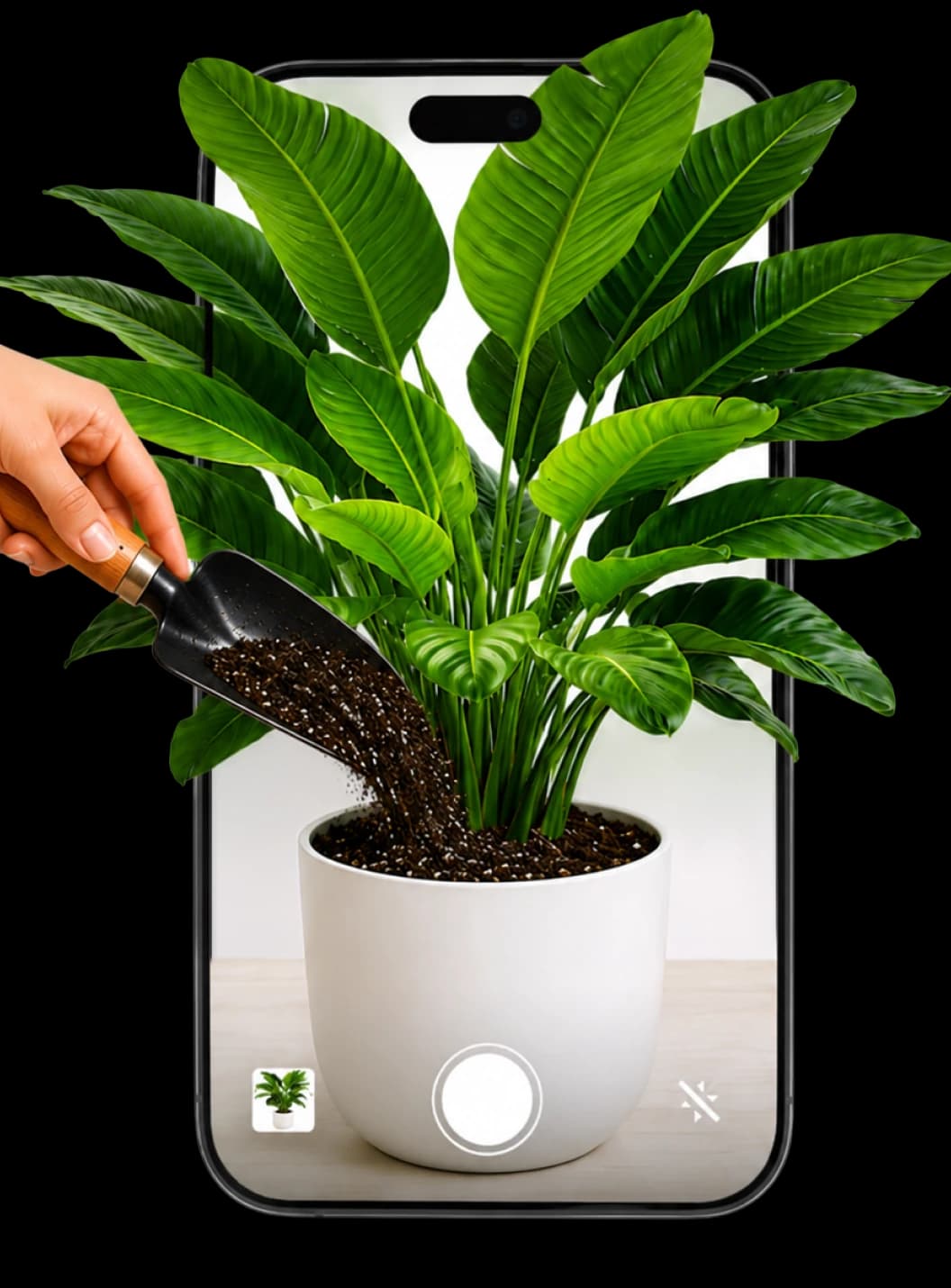
If growth looks off, soil may be part of the reason. Botan’s photo-based assessment can help point to likely soil-related factors to review.

Botan app helping with soil and plant care
How to Winterize Your Garden in 6 Steps

5 min read · 28 Sept 2026

How to Winterize Your Garden in 6 Steps

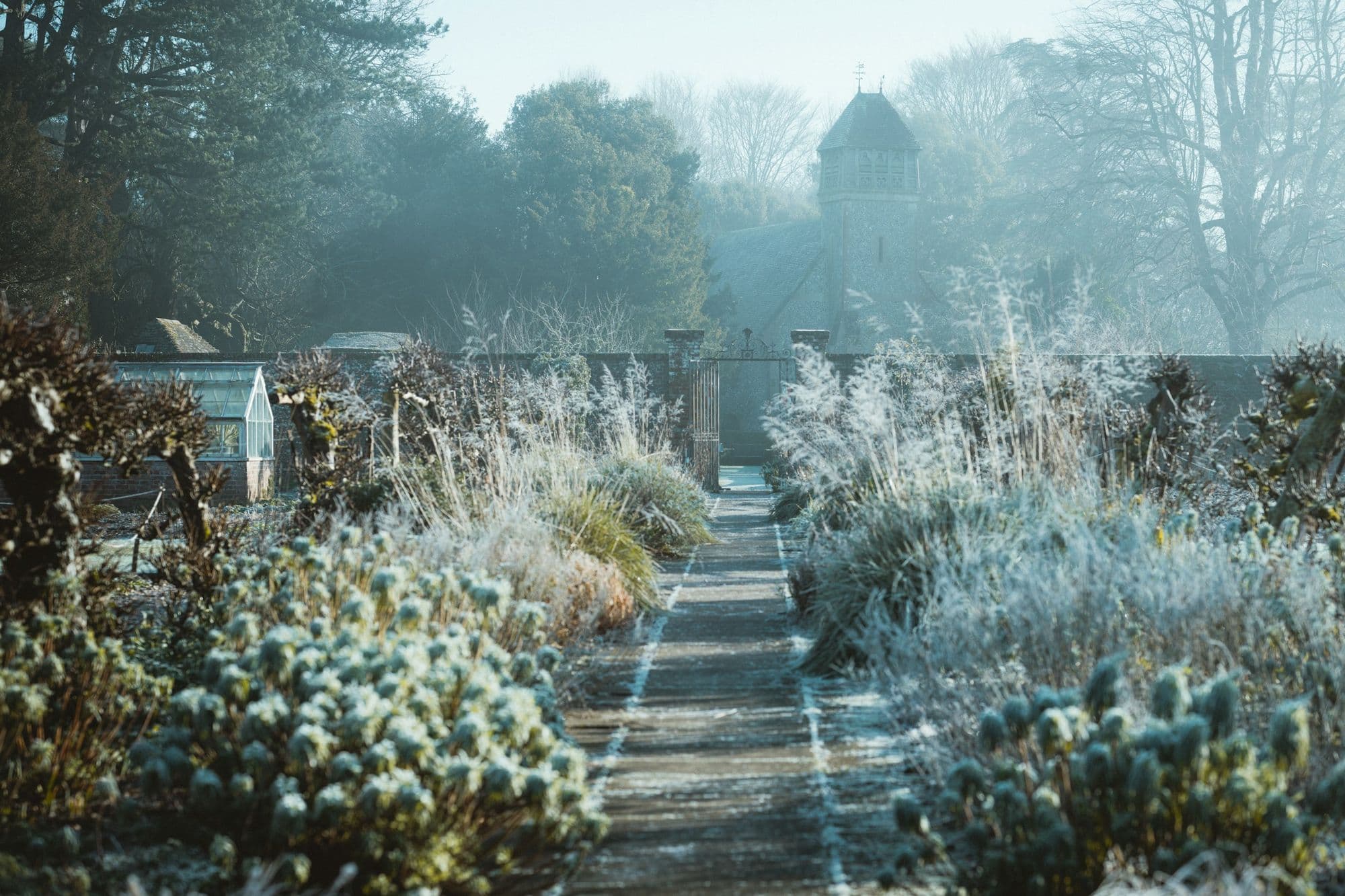
Learn how to prepare your garden for winter with a practical six-step checklist covering cleanup, tender plant care, watering, mulching, winter protection, and winterizing equipment and containers.

Plant Care
How to Winterize Your Garden in 6 Steps
12 Best Landscaping Trees for Your Garden

8 min read · 6 Oct 2026

12 Best Landscaping Trees for Your Garden

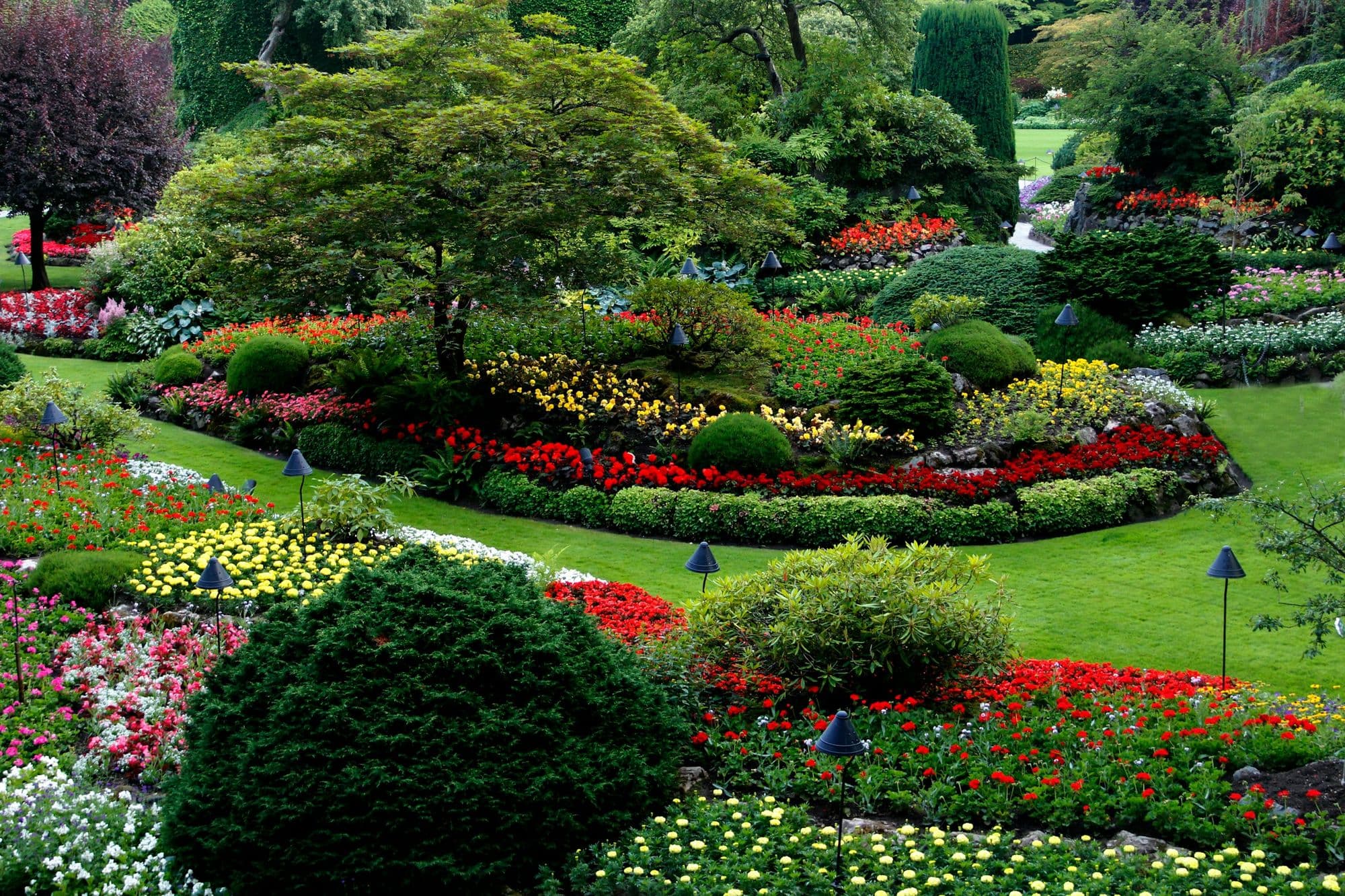
Choosing the landscape tree depends on what your garden needs most. These 12 options include compact flowering specimens, colorful deciduous trees, shade varieties, and evergreens suitable for screening and year-round structure.

Plant Recommendations
12 Best Landscaping Trees for Your Garden
Dill Companion Plants – What to Grow Next to Dill

9 min read · 17 Jul 2026

Dill Companion Plants – What to Grow Next to Dill

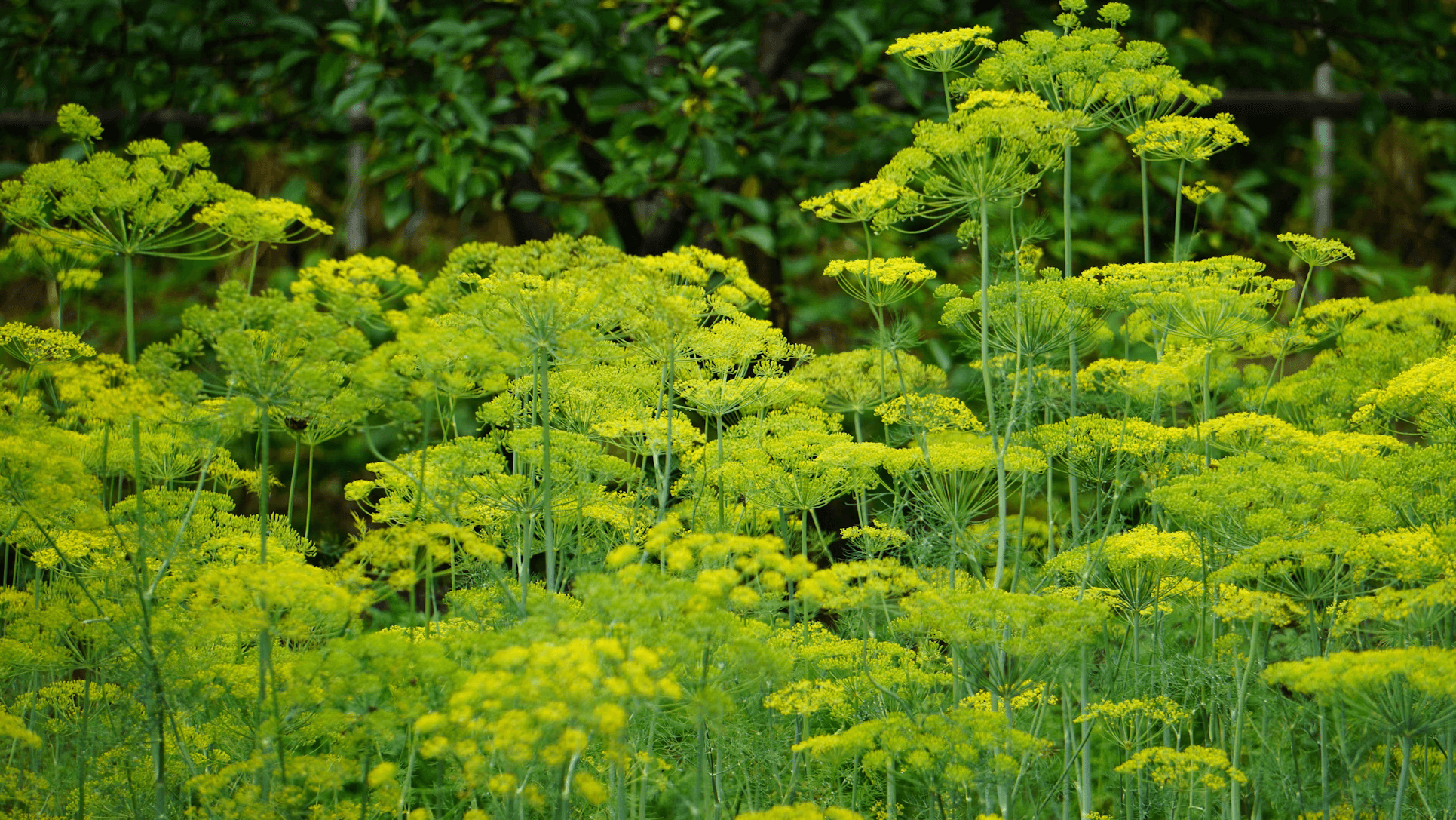
Dill is an easy-to-grow plant that gets along well with many vegetables. This guide describes 15 plants that can be planted alongside it, a few to avoid, and mistakes that can quietly sabotage the entire process.

Plant Recommendations
Dill Companion Plants – What to Grow Next to Dill