Areca Palm (Dypsis lutescens) Watering Guide

This page explains when, how often, and how much to water Dypsis lutescens for steady, healthy growth.

Water Requirements

Moderate Water

Dypsis lutescens Watering

Native to seasonally moist, tropical habitats, this palm prefers evenly light moisture rather than soggy or bone-dry soil. Indoors, Dypsis lutescens usually needs a bit more attention to moisture than many common houseplants.

For watering Areca Palm, aim for a gentle cycle of slight drying followed by thorough re-moistening. Outdoors in warm climates, in-ground plants often benefit from naturally steadier soil moisture than container-grown specimens.

In bright indoor light, water when the top 1–2 inches (3–5 cm) of soil feel dry, which typically means about once a week in warm months and every 10–14 days in cooler seasons. Higher light and outdoor summer heat shorten this interval; lower light or cooler rooms extend it.

Water Areca Palm when the top 1-2 inches (3-5 cm) of soil feel dry, using a slow, even approach.

  • Pour room-temperature water over the soil surface around the trunk bases, avoiding direct contact with stems and fronds.
  • Add water gradually until it reaches all sides of the pot, ensuring the entire root ball feels evenly moist, not soggy.
  • Allow water to run through the drainage holes, then empty saucers or cachepots so the pot does not sit in standing water.
  • Use only top watering for regular care, reserving any soaking method for rare, deeply dried soil emergencies under close monitoring.

Incorrect moisture encourages stress in Dypsis lutescens, leading to several preventable health problems.

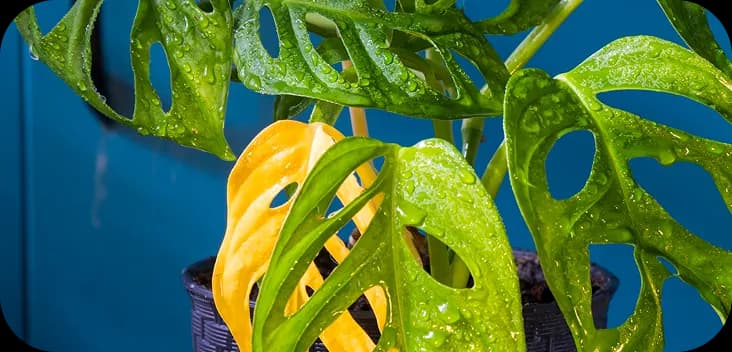
Yellowing Fronds:

Older leaves turn uniformly yellow when soil stays too wet, signaling chronic overwatering and poor drainage.

Brown Leaf Tips:

Crisp brown edges develop when soil repeatedly dries too far or salts concentrate from hard water.

Drooping Canes:

Stems lean and lose vigor from either prolonged dryness or waterlogged roots restricting oxygen availability.

Mushy Roots:

Soft, dark roots with sour odor arise after persistent saturation, often requiring immediate repotting into fresh mix.

Stalled New Growth:

New spears emerge slowly or remain stunted when watering swings between extremes instead of remaining moderately consistent.

Keep soil evenly moist but never saturated, allowing partial drying between thorough, slow waterings.

Unsuitable watering habits stress Dypsis lutescens by weakening roots, disturbing gas exchange, and making areca palm more vulnerable to pests and disease.

  • Watering by schedule: Following a fixed calendar instead of checking soil moisture leads to stress; test the top layer and adjust timing to conditions.
  • Heavy, dense potting mix: Using soil without perlite or bark drains slowly and suffocates roots; choose a loose, airy, peat-free or peat-light blend.
  • Letting runoff sit: Leaving water in the saucer keeps roots constantly wet; discard excess after draining to restore needed air pockets.

Aim for evenly moist, well-aerated soil, with watering based on current dryness and container drainage rather than routine or guesswork.

  • Spring: New fronds emerge, so allow the top inch of mix to dry, then water thoroughly, avoiding prolonged sogginess that can rot tender roots.
  • Summer: In warm, bright conditions and faster growth, drying happens quicker; check soil more often and water when the top layer feels dry.
  • Fall: Growth tapers as light levels drop, so extend the drying period slightly before watering while keeping humidity reasonably stable.
  • Winter: In cooler rooms and lower light, water less often, letting more of the root zone dry while never allowing the rootball to fully desiccate.

Your Areca Palm Care Companion

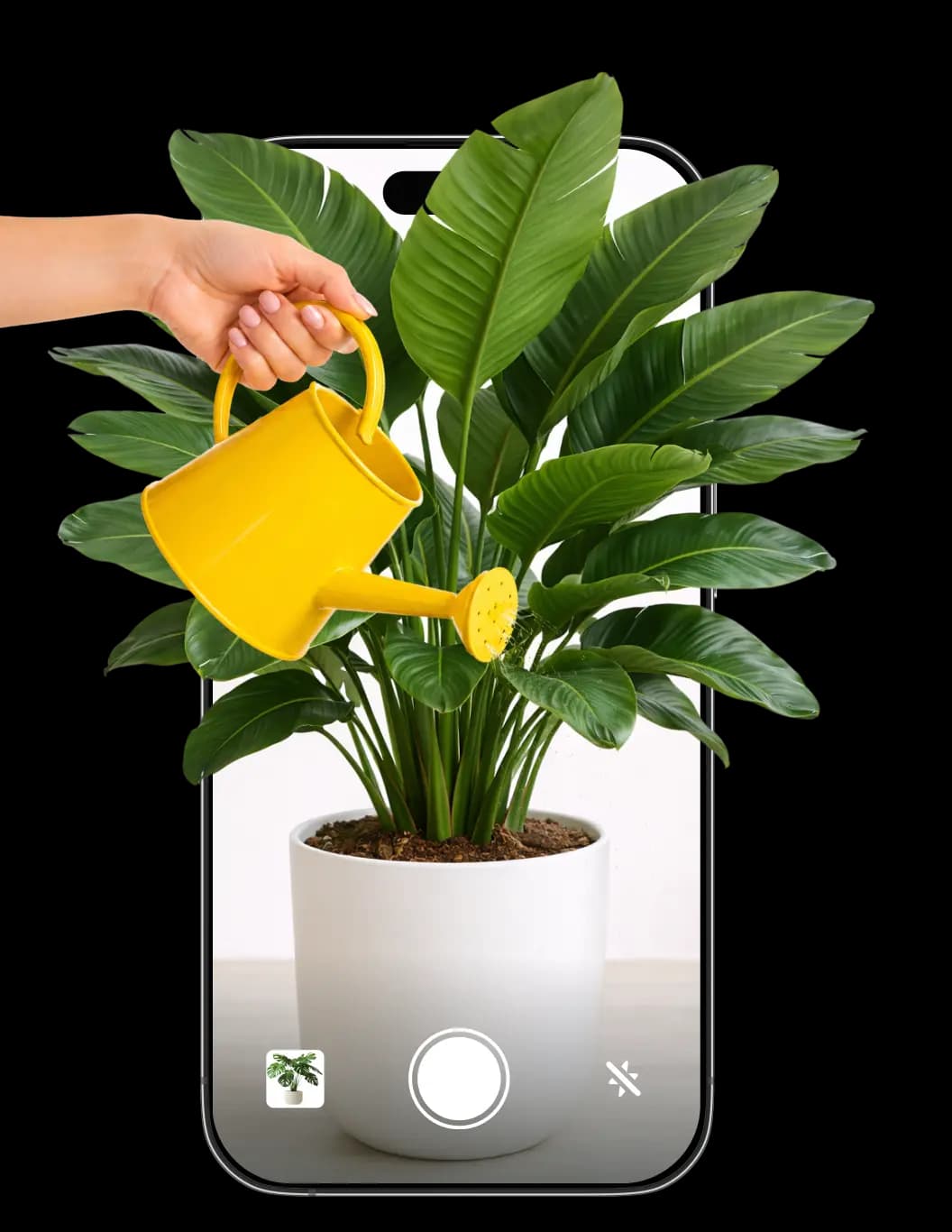
Use Botan to get a clear watering guide and practical care steps for Dypsis lutescens, plus gentle photo-based checkups that can flag early signs of stress or pests.

Botan plant care app — identify plants on mobile

Interesting Watering Facts

Groundwater‑seeking roots

In the wild, Dypsis lutescens often grows near high water tables, and its fibrous root system spreads widely in the upper soil layers to tap consistent groundwater, which is why it prefers evenly moist but well‑drained soil in containers.


Moisture from monsoon patterns

Native to humid parts of Madagascar, Dypsis lutescens experiences distinct wet and drier seasons, adapting to frequent rains followed by short drying periods, a pattern that aligns with letting potting mix partially dry between thorough waterings indoors.

FAQ

Larger pots hold more moisture longer, so this species dries slowly and needs less frequent watering. Small pots dry faster and may need water sooner. Always check the top 1–2 inches of soil before watering.

Everything About Areca Palm

More Plant Watering Guides

Is Your Watering Routine Hurting Your Areca Palm?

Use Botan to quickly check if your watering schedule suits the plant’s needs.

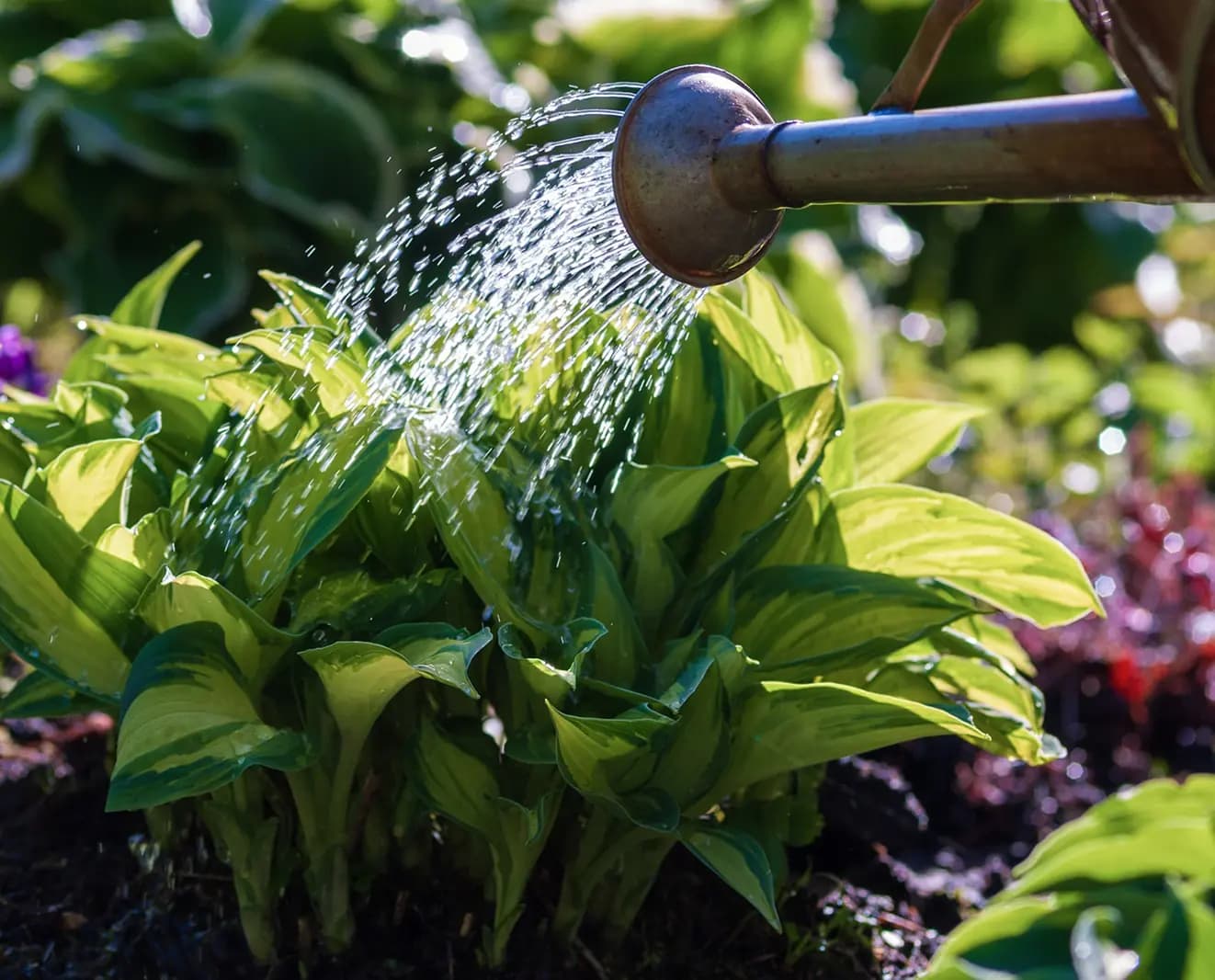
Watering a plant with a copper watering can
How to Tell if a Plant Is Dead

6 min read · 19 Aug 2026

How to Tell if a Plant Is Dead

A plant can lose its leaves, stop growing, or collapse and still remain alive. A closer look at the stems, roots, bulbs, and tubers can show whether the plant still has a chance to recover.

Beginner Guides
How to Tell if a Plant Is Dead
How Often to Water Fruit Trees

7 min read · 11 Aug 2026

How Often to Water Fruit Trees

Irrigation needs change as roots establish and weather shifts. This guide gives practical starting intervals, explains how soil and tree type change them, and shows how to recognize both excess moisture and drought stress.

Plant Care
How Often to Water Fruit Trees
What Plants Don't Like Epsom Salt?

11 min read · 29 Jul 2026

What Plants Don't Like Epsom Salt?

Learn which plants can be seriously damaged by Epsom salt and which will thrive on it. We’ll explain when and how to use it properly, provide tips for indoor & outdoor plants — read on and enjoy a healthy garden.

Plant Care
What Plants Don't Like Epsom Salt?