Mistletoe Cactus (Rhipsalis baccifera) Watering Guide

This page explains when, how often, and how much to water Rhipsalis baccifera for steady growth.

Water Requirements

Moderate Water

Rhipsalis baccifera Watering

This epiphytic cactus comes from humid tropical forests, so it tolerates brief dryness but not long parched periods. Rhipsalis baccifera prefers slight, even moisture, with soil allowed to dry a bit between thorough sessions.

For indoor pots, watering Mistletoe Cactus centers on balancing light dryness with gentle consistency over time. Outdoor plants usually experience more natural humidity and rainfall, so adjust how to water Mistletoe Cactus accordingly to maintain moderate moisture.

In bright indoor light, Rhipsalis baccifera usually needs water about every 7–14 days, but timing should follow soil dryness, not the calendar. Water again when the top 1–2 inches (3–5 cm) feel dry. Warmer temperatures or outdoor heat shorten this interval, while lower light often extends it.

Water when the top 1-2 inches (3-5 cm) of soil feel dry, using a gentle, even soak for Mistletoe Cactus.

  • Pour lukewarm water slowly over the soil surface, circling the pot so moisture reaches the entire root zone.
  • Continue watering until a steady trickle emerges from the drainage holes, indicating the mix is evenly saturated.
  • Let the pot drain completely, then empty any saucer or cachepot so the base does not sit in leftover water.
  • Keep stems mostly dry by directing the flow at the potting mix, not directly onto hanging foliage or crown areas.

Improper moisture levels may stress Rhipsalis baccifera and gradually weaken overall health and growth.

Yellowing Stems:

Pale yellow segments usually follow chronic overwatering in dense soil that drains too slowly indoors.

Soft, Mushy Segments:

Segments collapsing at a gentle touch indicate saturated mix and possible early root decay issues.

Shriveled, Thin Stems:

Slender, wrinkled segments commonly result from underwatering or very infrequent, shallow soakings over time.

Blackened Stem Bases:

Dark, sunken tissue at the pot line suggests prolonged wetness and advancing stem or root rot.

Crusty, Dry Potting Mix:

Hardened, pulling-away soil signals extended dryness and poor rehydration, limiting consistent moisture uptake.

Aim for lightly moist, fast-draining substrate that dries partway between thorough, even waterings.

Poor watering habits quickly stress Mistletoe Cactus, since Rhipsalis baccifera prefers steady moisture in airier conditions than desert cacti.

  • Following a fixed schedule: Watering on a strict calendar ignores changing light and temperature; instead, water when the top layer feels slightly dry to the touch.
  • Using dense, heavy soil: Planting in regular potting soil holds too much water; choose a chunky cactus-orchid mix that drains fast yet retains light moisture.
  • Leaving water in saucers: Letting the pot sit in collected runoff keeps roots soggy; empty saucers after draining so the mix can lightly dry.

Support this epiphytic cactus with moderate, responsive watering and quick-draining soil that stays lightly moist, not saturated or bone-dry.

  • Spring: Increase watering slightly as new growth appears, letting the top 1–2 inches of mix dry before each thorough soak.
  • Summer: In heat or strong light, check moisture more often and water when the upper layer feels dry, avoiding prolonged soggy conditions.
  • Fall: Gradually extend the drying period between waterings as growth slows, but prevent the potting mix from becoming completely bone dry for long.
  • Winter: With cooler temperatures and lower light, water sparingly, allowing the mix to dry deeper while protecting the roots from chill and excess moisture.

Your Mistletoe Cactus Care Companion

Use Botan to get a clear watering guide and simple care steps for Rhipsalis baccifera, plus gentle photo-based checks that help identify early signs of stress or other plant issues.

Botan plant care app — identify plants on mobile

Interesting Watering Facts

Epiphytic rainforest cactus

In its native tropical range, this species often grows on tree branches in humid forests, receiving frequent light rains and steady air moisture rather than deep soil soaking, which explains its preference for slightly moist but very airy potting mixes in cultivation.


Shade-tolerant water user

Rhipsalis baccifera naturally grows under forest canopies, so it is adapted to lower light and reduced evaporation, meaning its roots are efficient at absorbing moderate, regular moisture and can be prone to rot if kept in waterlogged conditions for long periods.

FAQ

Very cold water can shock roots, slowing growth and increasing stress. Use tepid or room‑temperature water, roughly 65–80°F (18–27°C), especially in winter or if the plant grows in cooler indoor conditions.

More Plant Watering Guides

Is Your Watering Routine Hurting Your Mistletoe Cactus?

Botan reviews your watering pattern so adjustments are easier to make confidently.

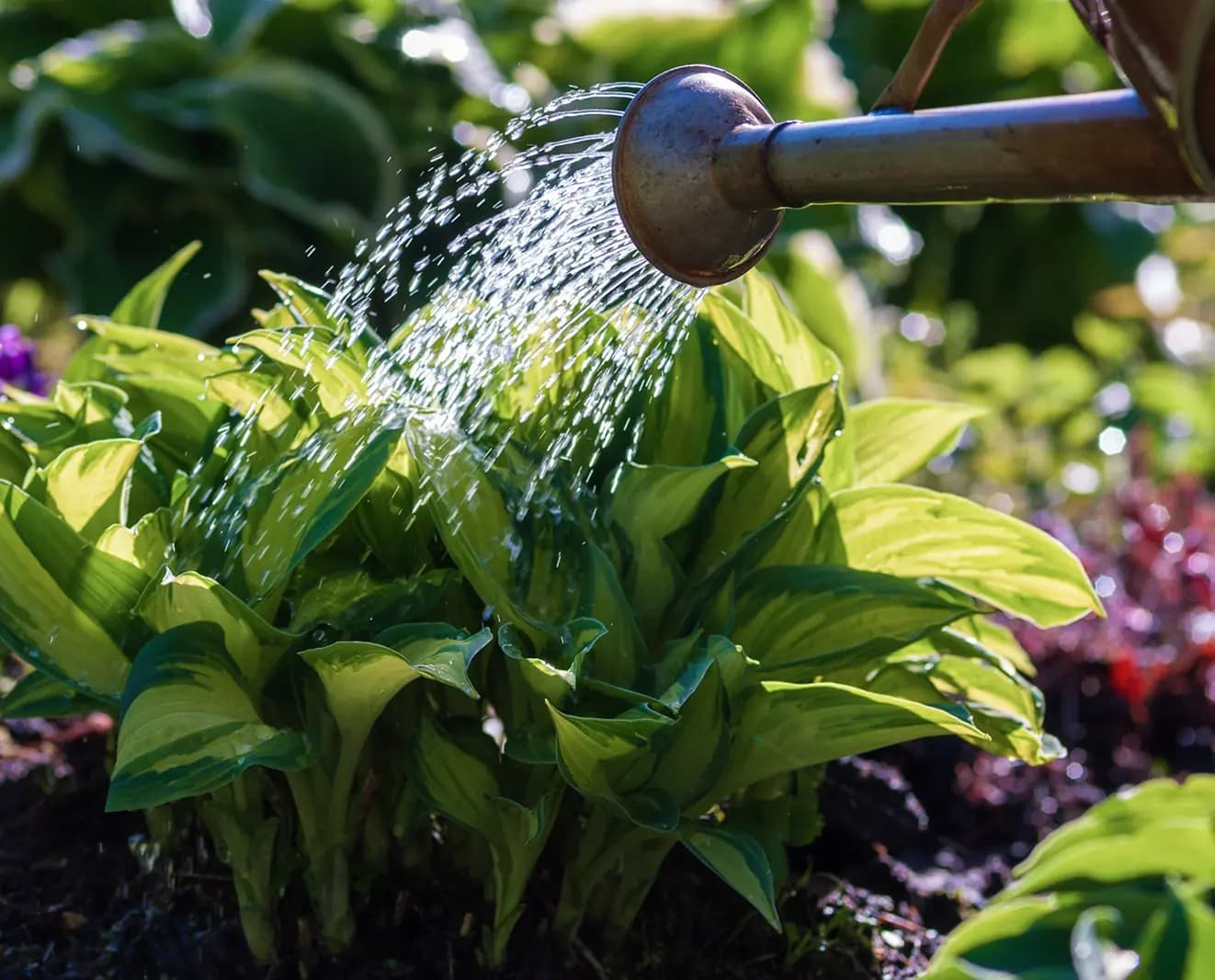
Watering a plant with a copper watering can
What Plants Don't Like Epsom Salt?

11 min read · 29 Jul 2026

What Plants Don't Like Epsom Salt?

Learn which plants can be seriously damaged by Epsom salt and which will thrive on it. We’ll explain when and how to use it properly, provide tips for indoor & outdoor plants — read on and enjoy a healthy garden.

Plant Care
What Plants Don't Like Epsom Salt?
How to Winterize Your Garden in 6 Steps

5 min read · 28 Sept 2026

How to Winterize Your Garden in 6 Steps

Learn how to prepare your garden for winter with a practical six-step checklist covering cleanup, tender plant care, watering, mulching, winter protection, and winterizing equipment and containers.

Plant Care
How to Winterize Your Garden in 6 Steps
20 Most Popular Fruits Around the World

7 min read · 22 Jul 2026

20 Most Popular Fruits Around the World

Curious which fruits the world actually eats the most? Here's the top-20 by production volume, an overview of what people choose in each region, and a few figures that defy common assumptions.

Plant Recommendations
20 Most Popular Fruits Around the World