Shallow, thirsty roots
Carica papaya has a shallow root system concentrated in the topsoil, which dries quickly, so it depends on frequent, moderate moisture rather than deep, infrequent watering, especially in light or sandy soils.

This page explains when, how often, and how much to water Carica papaya in straightforward, practical terms.

Water Requirements
Regular Water

Native to tropical, seasonally rainy regions, papaya appreciates steady moisture without prolonged sogginess. Carica papaya typically grows best when soil feels lightly moist most of the time, not parched or saturated.
In the ground, watering papaya focuses on supporting deep, consistent root hydration in warm weather. Containers dry out faster, so potted plants usually need closer attention to surface moisture when planning how to water papaya.
Water when the top 1–2 inches (3–5 cm) of soil feel dry, which for container-grown Carica papaya usually means about every 3–7 days in warm, bright conditions. Hot, windy outdoor weather shortens this interval, while cooler seasons or lower light stretch the time between waterings.
Water papaya when the top 1–2 inches (3–5 cm) of soil feel dry, aiming for deep, even moisture.
Incorrect moisture levels can stress Carica papaya and trigger several avoidable health problems indoors or outdoors.
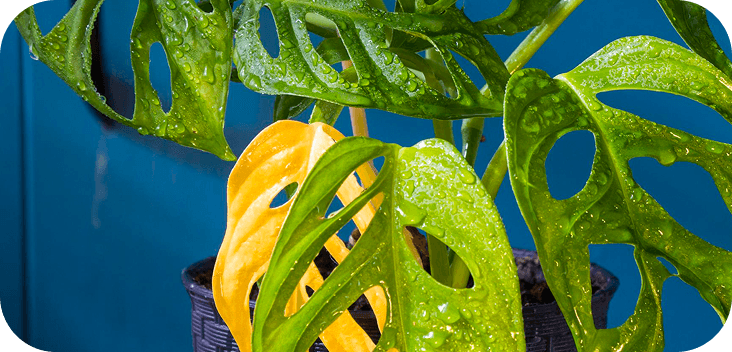
Older foliage turns uniformly yellow and drops early when roots sit in consistently waterlogged, compacted soil.
Leaf blades droop despite moist substrate, suggesting root suffocation or rot from chronic overwatering and poor drainage.
Margins crisp, curl, and brown when shallow watering or prolonged dryness repeatedly dehydrates the fine feeder roots.
New shoots emerge small and weak when alternating drought and saturation disrupt stable root oxygen and nutrient uptake.
Maintain evenly moist, freely draining soil, avoiding both standing water and extended periods of dryness.
Poor watering habits weaken Carica papaya, limiting growth, fruiting, and resilience to pests and temperature swings over time.
Aim for deep but infrequent watering in fast-draining soil, guided by actual moisture levels and quick removal of standing water.
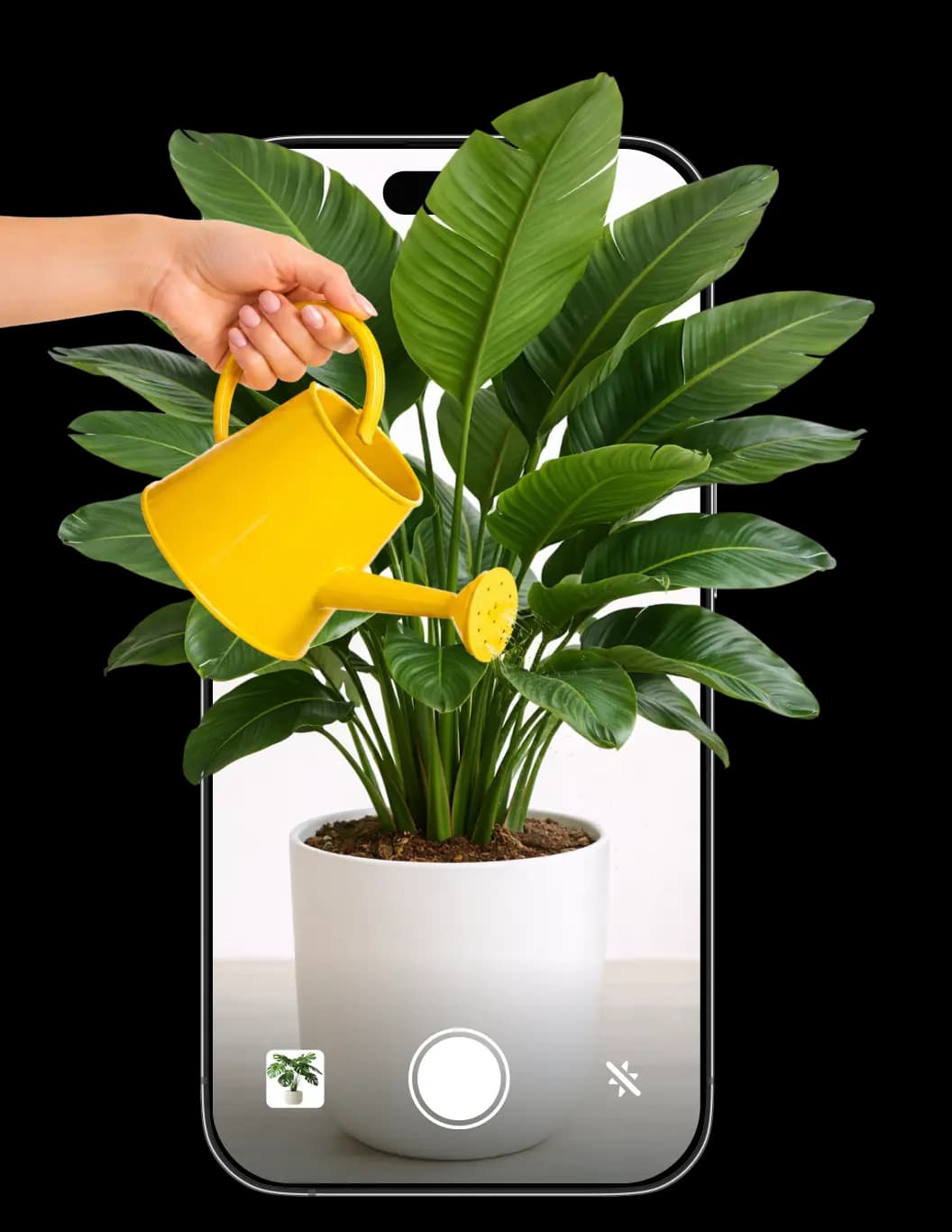
Is It Time to Water?
See whether your plant is ready for watering or needs more time to dry.
Use Botan for a clear watering guide and practical care steps for Carica papaya, plus gentle photo-based issue checks that can highlight potential problems before they worsen.
Carica papaya has a shallow root system concentrated in the topsoil, which dries quickly, so it depends on frequent, moderate moisture rather than deep, infrequent watering, especially in light or sandy soils.
In cultivation and field studies, papaya fruit yield and size closely track regular rainfall or irrigation, with periods of water stress during flowering and fruit fill leading to fewer and smaller fruits.
Carica papaya is notably intolerant of standing water; extended waterlogging around the trunk base is linked to rapid root decline and fungal collar rots, so well‑drained soil and careful irrigation are critical in wet climates.
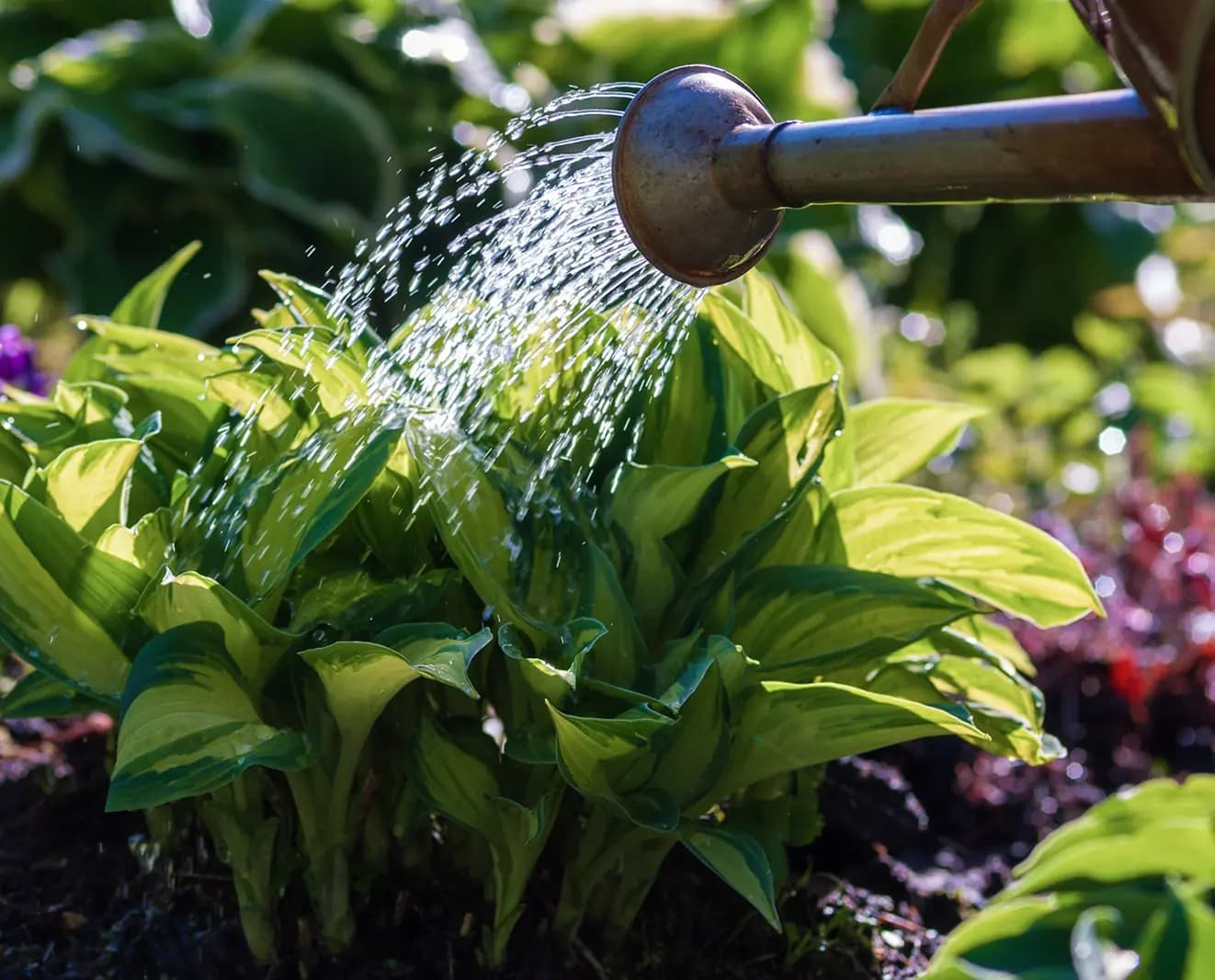
Early morning is best. Soil has time to absorb moisture before midday heat, reducing evaporation and leaf burn. In humid regions, morning papaya watering also lets foliage dry quickly, which helps limit fungal diseases.
Botan reviews your watering pattern and flags when adjustments may be helpful.
6 min read · 1 Sept 2026
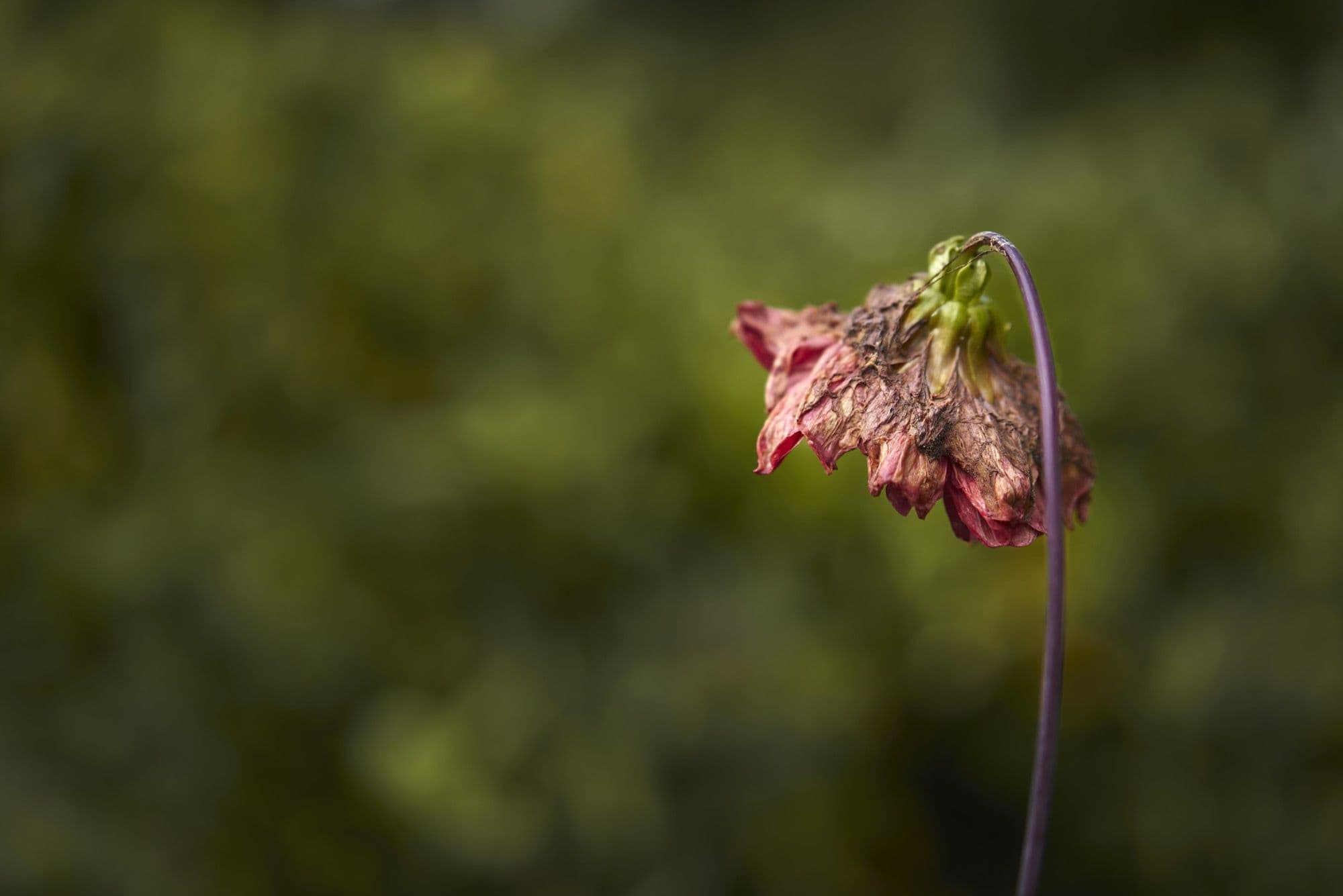
Drooping leaves and brown tips don't always mean the end, and a weakened plant can often recover with a little help. These six simple steps will help you revive a dying plant and restore its health.
9 min read · 29 Sept 2026
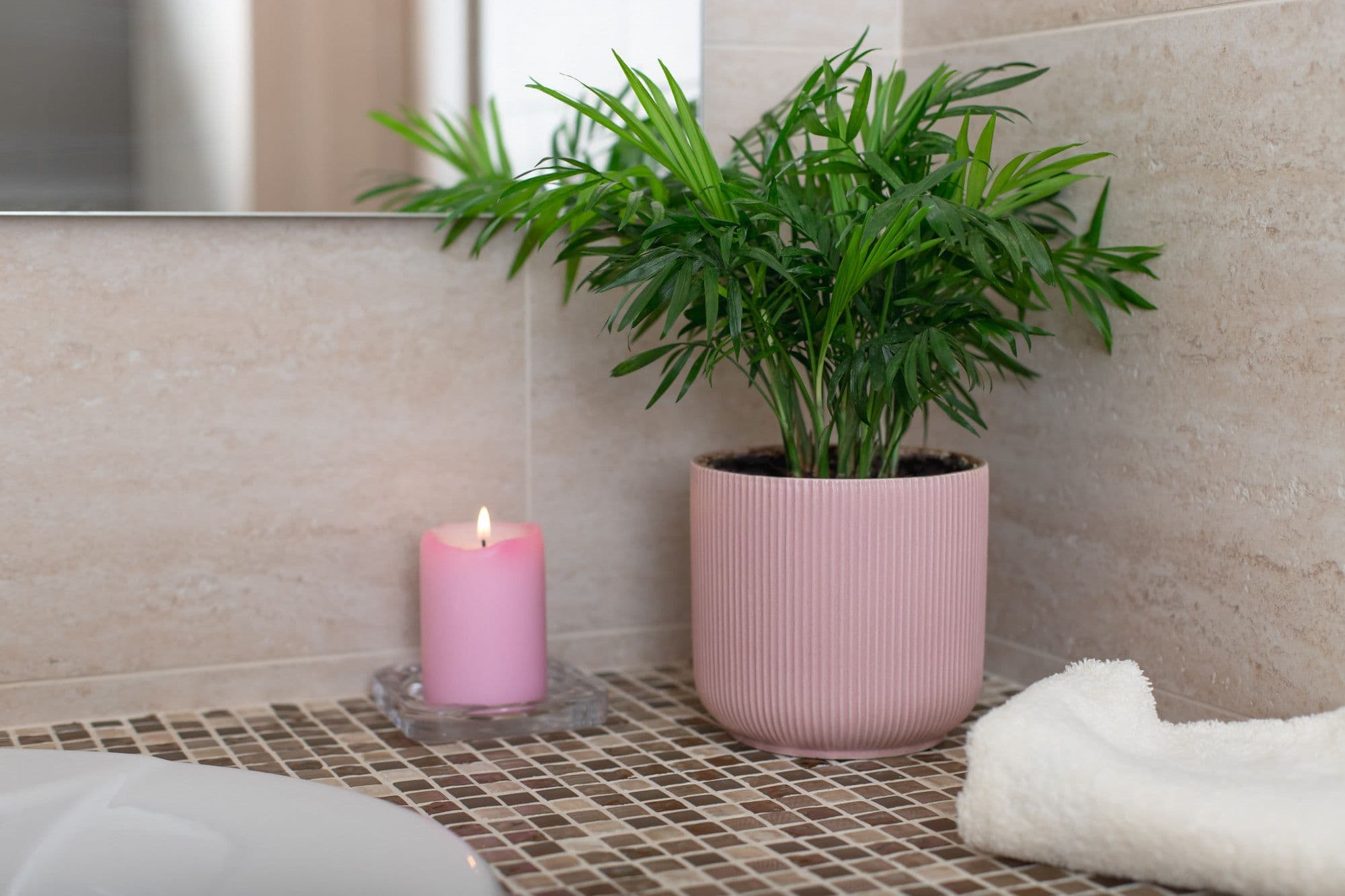
Discover the 12 best plants for bathroom spaces. Each pick comes with its own advantages, plus light, humidity, watering, and placement tips. Take a look and match the plant to your specific bathroom.
10 min read · 25 Aug 2026
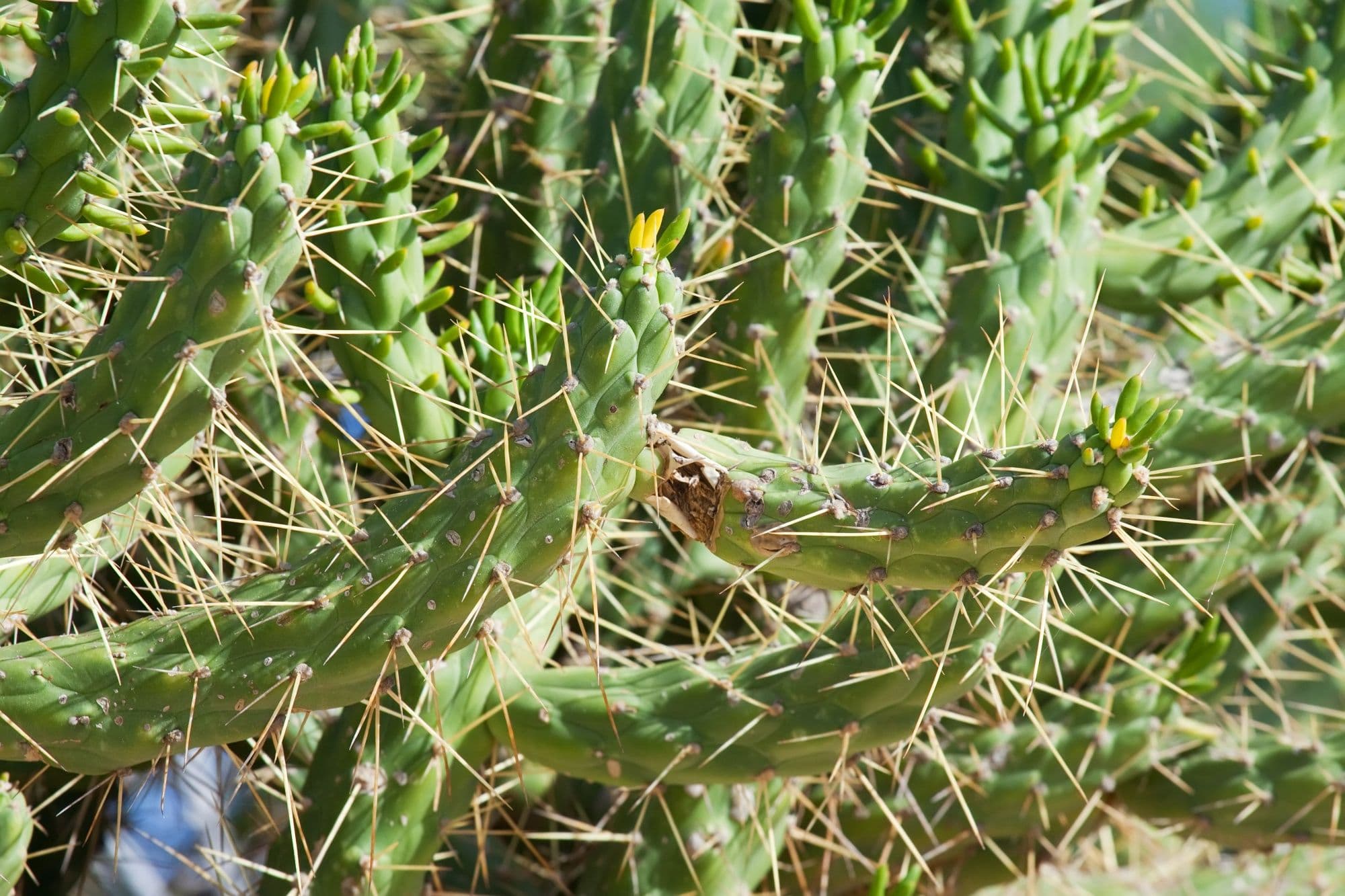
Many plants defend themselves with sharp thorns. This guide explores over 20 examples among flowers, shrubs, trees, and vines. You'll learn what each plant looks like, why it grows thorns, and how to quickly identify them.