Monsoon‑driven growth
In its native South Asian range, Curcuma longa starts vigorous leaf and rhizome growth with the onset of the monsoon rains, then slows and enters dormancy as soils dry after the wet season ends.

This page explains when, how often, and how much to water Curcuma longa for steady, healthy growth.

Water Requirements
Keep Soil Moist
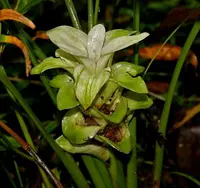
Native to monsoon-influenced regions, turmeric experiences strong seasonal rain followed by lighter moisture, shaping its watering needs. Curcuma longa prefers evenly moist, not soggy, soil and dislikes prolonged dryness around the roots.
For watering turmeric, aim for steady moisture, adjusting frequency with temperature and light rather than following fixed dates. Indoors, moisture stays stable longer than outdoors, so compare surface dryness and recent conditions before deciding how to water turmeric.
Let the top 1–2 inches (3–5 cm) of soil dry before watering again; this is the main cue for Curcuma longa. Indoors, this typically means watering about once a week during active growth. Hotter, brighter conditions or outdoor summer heat often shorten the interval, while cooler, lower-light spots extend it.
Water turmeric when the top 1-2 inches (3-5 cm) of soil feel dry, keeping moisture steady but not soggy.
Incorrect moisture levels can stress Curcuma longa, weakening growth and encouraging disease problems over time.
Older foliage turns pale and drops early from chronically soggy soil and declining root health.
Underground stems feel soft and foul-smelling after extended waterlogging and poor drainage conditions.
Brown, papery margins develop when potting mix dries completely between waterings and humidity stays low.
Emerging stems remain short with small leaves when watering is irregular during active growing periods.
Soil remains wet while foliage is gone, increasing rot risk during the natural rest phase.
Keep soil evenly moist in active growth, then reduce watering sharply once foliage dies back.
Poor watering habits can stress Curcuma longa, limiting foliage and rhizome growth and shortening its active season indoors or outdoors.
Safer watering relies on a free‑draining mix, containers that release excess moisture, and checks of soil dryness before each drink.
Plant Water Guide
Learn how much water your plant needs and keep its routine on track
Use Botan for a clear watering guide and simple care steps for Curcuma longa, plus gentle photo-based checkups that help spot leaf or watering issues before they progress.
In its native South Asian range, Curcuma longa starts vigorous leaf and rhizome growth with the onset of the monsoon rains, then slows and enters dormancy as soils dry after the wet season ends.
The thick rhizomes of Curcuma longa store water along with starch, which helps the plant survive the dry season underground when top growth dies back and surface soil moisture is low.
Water until moisture reaches the full root zone and a little drains from the pot, then stop. In larger containers, pour slowly in stages so the mix absorbs water evenly without becoming waterlogged.
Botan quickly checks if your watering pattern matches your plant’s needs.
5 min read · 21 Jul 2026
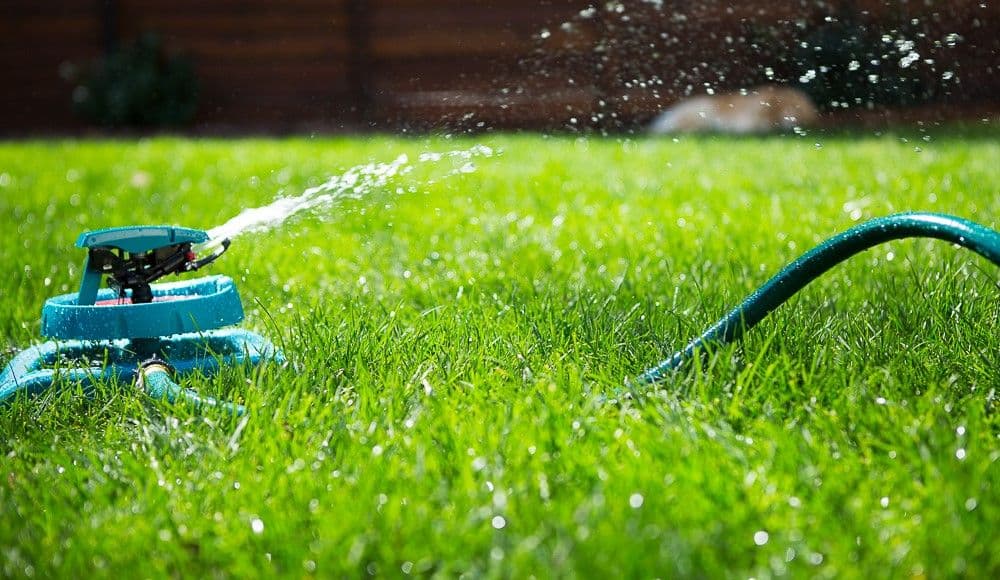
Summer watering is easy to get wrong. This guide explains when to turn on your sprinkler, how much liquid your grass needs each week, and how to tell if you're overwatering or underwatering.
11 min read · 29 Jul 2026
Learn which plants can be seriously damaged by Epsom salt and which will thrive on it. We’ll explain when and how to use it properly, provide tips for indoor & outdoor plants — read on and enjoy a healthy garden.
8 min read · 14 Jul 2026
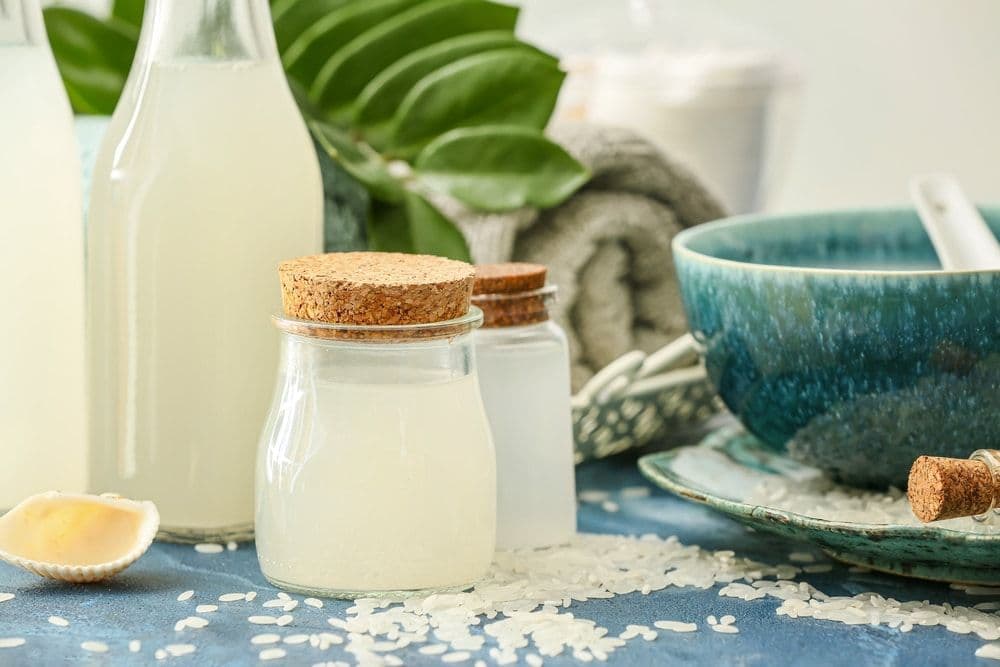
Rice water can be an ideal DIY solution for orchids, roses, or fruiting plants. It supports growth, leaf count, and height. We’ll share how to make and apply it correctly for your plant.