turmeric Care (Curcuma longa)

Also known as: Turmeric
turmeric

About turmeric

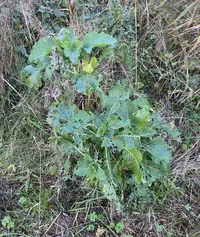
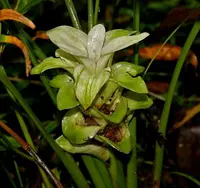
Turmeric, Curcuma longa, is a tropical perennial herb grown for its aromatic underground rhizomes. It belongs to the ginger family and forms dense clumps of lush, broad leaves. In suitable conditions it produces upright flower spikes with pale bracts and a compact habit that fits well in pots or garden beds.

The species is native to South and Southeast Asia, thriving in warm, humid climates with rich, moist, but well-drained soil. It prefers bright, filtered light and steady warmth, which makes indoor growing possible in cooler regions. These traits make it moderately easy to grow if you understand how to care for turmeric and can provide a frost-free environment.

Main Plant Requirements

Care Difficulty

Moderate Care

Light Preference

Partial Shade

Water Requirements

Keep Soil Moist

Temperature Preference

Tropical / Frost Sensitive

Hardiness Zone

8–11

Soil Texture

Loamy, Silty, Organic-rich

Soil pH

Acidic (5.5–6.5), Slightly acidic (6.5–7.0)

Soil Drainage

Moist but well-drained

Fertilization

Moderate (every 2–4 weeks)

Get Personalized Care Plan

Scan your plant to receive care tips personalized for your specific plant

Available on iOS and Android

How to Care for the turmeric

Curcuma longa needs bright, indirect light to form strong stems and full foliage.

  • Provide 4–6 hours of gentle morning sun with light shade or filtered light in the afternoon, especially in hot summer climates.
  • In warm regions, plant where it receives dappled light under taller plants or trees; it tolerates partial shade but may flower less.
  • Leaves that bleach, curl, or scorch indicate too much direct sun, while weak, stretched stems point to insufficient light.

Curcuma longa prefers consistently moist but not waterlogged soil during its active growing season.

  • Water when the top 2–4 cm of soil feels dry, aiming for even moisture around the rhizomes without standing water.
  • Use soil that drains freely; soggy conditions cause yellowing, limp leaves, and soft, rotting rhizomes, classic signs of overwatering.
  • In late fall and winter, reduce watering sharply as foliage dies back; very dry, crisp leaves during growth indicate underwatering.

This species grows best in warm, humid conditions similar to a tropical summer.

  • Ideal growth occurs at 75–90°F (24–32°C); plants grow slowly or stop if temperatures fall much below this range.
  • Curcuma longa is highly sensitive to cold and should be protected when temperatures approach 50°F (10°C) and kept above 40°F (4°C).
  • It tolerates short heat waves up to about 95°F (35°C) if soil moisture is stable; frost or freezing quickly kills foliage and can damage rhizomes.

This species prefers steadily moist, warm air and reacts quickly to dry indoor conditions.

  • Aim for 60–70% humidity, as turmeric foliage is adapted to tropical understory air moisture.
  • Expect leaf edges to brown, tips to crisp, and new leaves to distort if humidity drops below ~40%.
  • Increase humidity by grouping plants, placing the pot on a pebble tray with water below the pot base, or running a nearby humidifier.

Curcuma longa grows best in loose, moist, and aerated soil that never stays waterlogged.

  • Use a loamy, organic-rich mix that holds moisture yet drains freely, such as 2 parts peat- or coco-based potting mix, 1 part compost, and 1 part perlite or coarse sand.
  • Ensure the soil structure is crumbly, not compacted, so rhizomes can expand easily and roots receive enough oxygen.
  • Maintain slightly acidic to neutral pH, around 6.0–7.0, which supports nutrient availability for strong leafy growth and rhizome development.
  • Avoid heavy clay, poorly drained sites, or mixes with a high proportion of fine peat that stays soggy and promotes rot.

This species is suitable for container growing when the pot is sized and stabilized for its rhizomes and tall foliage.

  • Select a wide, relatively deep pot to allow horizontal rhizome spread and vertical root growth without crowding.
  • Choose a heavier or broader-based container outdoors so the tall foliage mass does not tip the pot in wind.
  • Use a pot material that matches your climate, such as thicker terracotta to moderate moisture in very wet regions or plastic to prevent rapid drying in hot, dry areas.

Curcuma longa benefits from moderate, consistent feeding during its active growth phase.

  • Use a balanced liquid fertilizer (for example, 10-10-10) at half strength every 2–4 weeks in spring and summer.
  • Alternatively, mix slow-release granules into the top 5–8 cm of soil at the start of the growing season.
  • Supplement with a light layer of well-rotted compost once per year to support rhizome development.
  • Stop feeding once foliage starts yellowing and the plant enters dormancy, then resume only when new shoots emerge.

Curcuma longa needs minimal structural pruning but benefits from periodic clean-up.

  • In late season, remove yellowing or dead leaves at the base to limit disease and encourage tidy growth.
  • Cut off damaged or spotted foliage with clean, sharp scissors or pruners to improve air flow around remaining leaves.
  • After flowering, clip spent flower stalks near the soil line so resources return to the rhizomes.
  • Avoid heavy cutting of healthy green leaves, since this can reduce photosynthesis and weaken the plant.

This species forms clumping rhizomes that sometimes require division and a larger root zone.

  • Plan to repot or transplant every 2–3 years, or when roots circle the pot and growth becomes crowded or weak.
  • Carry out the work in spring, just before or as new shoots appear, to shorten recovery time for Curcuma longa.
  • Gently loosen the root ball, separate healthy rhizomes with at least one bud, and plant them in fresh, well-drained soil.
  • Water thoroughly after planting, then keep soil slightly moist and shaded for 1–2 weeks to reduce transplant shock.

Most home growers multiply this plant by dividing its rhizomes rather than using seeds.

  • Divide rhizomes in late winter to early spring, before vigorous new growth begins.
  • Select firm, healthy pieces with at least 1–2 visible buds or eyes for reliable sprouting.
  • Plant divisions 5–8 cm deep in a loose, moist, warm mix at 70–80°F with bright, indirect light.
  • Maintain even moisture and good air circulation until new shoots reach 5–10 cm, then transition to normal care.

Curcuma longa is frost sensitive and needs protection in climates colder than USDA zone 9.

  • In ground, allow foliage to die back, then mulch the rhizome area with 5–10 cm of dry leaves or bark.
  • In colder regions, lift rhizomes after foliage yellows, dry them slightly, and store cool and frost-free.
  • For container plants, move pots indoors to a bright, cool, frost-free space and keep soil barely moist during dormancy.

Care Tips

Pre-sprout rhizomes

Before planting, pre-sprout rhizome pieces in a shallow tray of just-moist sterile mix at 77–86°F, then pot them up only after buds reach about 1–2 cm, which reduces rot losses and speeds uniform emergence when growing turmeric.

Rotate pots seasonally

Turn containers 90° every 1–2 weeks during active growth so the foliage canopy develops evenly and rhizomes fill the pot more symmetrically, making future division and harvest easier.

Mark harvest zones

When potting, place rhizome pieces closer to one side of the container and mark that side on the rim, so at harvest you can disturb only that section and leave the youngest shoots and roots on the opposite side to regrow next season.

Staggered dormancy cue

About 4–6 weeks before planned dormancy, gradually reduce day length and feeding rather than stopping abruptly, which helps the plant store more carbohydrates in rhizomes and results in stronger shoots next cycle.

Post-harvest curing

After lifting rhizomes, rinse gently, air-dry in a single layer at 70–80°F with good air movement for 3–7 days, then store only firm, unblemished pieces in slightly dry medium to minimize fungal issues in the next cycle of Curcuma longa plant care.

Common Pests and Diseases

Rhizome rot

This disease affects the underground rhizomes, causing them to become soft, water-soaked, and foul-smelling, often leading to yellowing and collapse of the foliage. Symptoms include poor sprouting, stunted growth, and rhizomes that break apart easily when handled.

Solution

Discard all mushy, discolored rhizomes and replant only firm, healthy pieces in fresh, well-drained soil, avoiding waterlogged sites. Reduce watering, improve drainage with coarse material, and if growing turmeric repeatedly in the same bed, rotate the planting area and drench the soil with a biological fungicide labeled for Pythium or similar rhizome rots.

Leaf blotch

This disease causes small, water-soaked spots on leaves that enlarge into irregular brown or tan lesions with yellow halos, often starting on older foliage. In humid conditions, affected areas may coalesce, leading to large dead patches and premature leaf drop.

Solution

Remove and dispose of infected leaves promptly and avoid overhead watering to keep foliage as dry as possible. Increase spacing or airflow around plants and, in severe or recurring cases, apply a copper-based or other registered fungicide according to label directions as part of Curcuma longa care.

Leaf spot

Symptoms include small, round to oval brown spots scattered across the leaf surface, sometimes with a darker margin and lighter center. Under heavy pressure, spotted leaves can yellow and dry from the tips and edges inward.

Solution

Cut off and discard badly spotted leaves and keep the plant on a regular schedule of watering at the soil level rather than on the foliage. Improve air circulation, avoid crowding plants, and use a targeted fungicide labeled for leaf spot on ornamentals or edibles if cultural steps are not sufficient.

Shoot borer

This insect pest tunnels into young pseudostems and leaf sheaths, causing wilting of central leaves, distorted growth, and frass (sawdust-like material) near entry holes. Affected shoots may fail to unfurl properly or die back from the top.

Solution

Inspect shoots regularly and cut out and destroy any infested or wilted pseudostems to remove larvae before they spread. Keep planting areas free of crop residues where adults can overwinter, use light traps or pheromone traps where available, and consider applying a systemic insecticide approved for edible rhizomes if other measures do not control damage.

Rhizome scale insects

These insects feed on rhizomes and lower stems, appearing as small, hard, brown or white bumps that cause yellowing foliage and weak growth. Heavy infestations can reduce yield and leave plants more prone to secondary infections.

Solution

Lift and inspect rhizomes during division or storage, scrubbing off scales with a soft brush and discarding heavily infested pieces. For growing plants, improve vigor with proper fertilization and watering, wash stems periodically with soapy water, and use a horticultural oil drench around the rhizome zone if the label allows soil application for scale control.

Interesting Facts

Rhizome’s natural defense

The bright yellow-orange color of the rhizome comes from curcumin, a compound that helps protect the plant’s underground storage organ against herbivores and microbial attack.

Sterile under cultivation

Most cultivated turmeric plants rarely set viable seed and are propagated almost entirely by dividing rhizomes, so many global turmeric crops are essentially giant clonal lineages.

Monsoon growth strategy

In its native South Asian monsoon climate, the plant spends the dry season dormant as rhizomes and then rapidly produces leaves and flowers with the onset of warm, rainy weather.

Botan icon

Did you know?

Archaeobotanical and residue studies indicate that turmeric has been used in the Indian subcontinent for at least 4,000 years, including as a stable yellow pigment detected on ancient ceramics and in historical food preparations.

FAQs about turmeric

Yellowing often starts as the plant enters dormancy, especially in late season, when foliage naturally dies back. Earlier yellowing usually indicates nutrient deficiency, compacted or soggy soil, or root damage, rather than a leaf disease.

Grow Healthy Plants with Botan Care

Keep your plants happy and healthy with plant identification, disease detection, and easy care guidance.

Botan plant care app — identify plants on mobile

Explore More Plants