Use shallow pots
Select a wide, relatively shallow pot with several drainage holes, as this species forms surface roots and stolons that stay healthier when they can spread laterally rather than sitting in a deep, wet root zone.

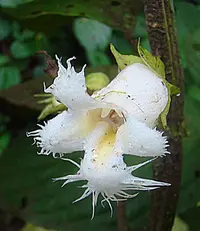
Drymonia lanceolata is a tropical evergreen from the Gesneriaceae family, grown mainly as an ornamental foliage plant. It typically forms trailing or arching stems with medium-sized, lance-shaped leaves that may show subtle texture or veining.
In the wild, it occurs in humid forest habitats of Central and South America, often growing as an epiphyte on trees. Under cultivation, it is considered moderately easy, provided it receives stable warmth, high air humidity, and shelter from direct, harsh sun.
It prefers airy, fast-draining substrates and consistent, light moisture around the roots. Understanding how to care for Drymonia lanceolata starts with recreating its naturally warm, sheltered forest conditions indoors.

Care Difficulty
Moderate Care

Light Preference
Bright Indirect Light

Water Requirements
Keep Soil Moist

Temperature Preference
Tropical / Frost Sensitive

Hardiness Zone
11–12

Soil Texture
Loamy, Peaty, Organic-rich

Soil pH
Acidic (5.5–6.5)

Soil Drainage
Moist but well-drained

Fertilization
Light (every 4–6 weeks)
Scan your plant to receive care tips personalized for your specific plant
Available on iOS and Android
This species prefers bright, filtered light that mimics tropical understory conditions.
This plant prefers evenly moist, well-aerated substrate without staying saturated.
This species grows best in stable, warm, frost-free conditions.
This species benefits from elevated, stable humidity to maintain healthy foliage.
Drymonia lanceolata prefers a loose, airy, organic-rich mix that drains quickly but does not dry out instantly.
This species is well suited to container growing due to its manageable root system and shoot habit.
This species benefits from light, consistent feeding during the active growing season.
Pruning helps maintain a compact, flowering form without stressing the plant.
Container-grown plants need periodic repotting to maintain healthy roots and growth.
This plant is commonly propagated from stem cuttings under warm, humid conditions.
This tropical species is frost-sensitive and needs protection in regions with cold winters.

Plant Health Check
Not sure what's wrong with your plant? Check your plant's health inside the app.
This species naturally grows as an epiphyte or hemi-epiphyte on tree trunks and large branches in humid Neotropical forests, anchoring to bark rather than rooting primarily in soil.
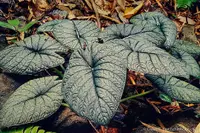
Its lance-shaped leaves develop a fine, velvety surface with pronounced venation, an adaptation that can help manage light and moisture on shaded, humid forest understories while also giving it strong ornamental value.
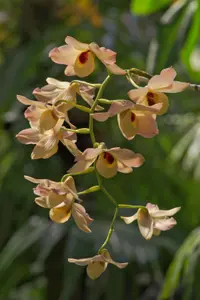
The plant produces tubular, often reddish to orange-yellow flowers that are adapted to pollination by hummingbirds, which are attracted to the flower shape and nectar rewards in its native range.
This species performs best in warm, humid, sheltered conditions, so it is usually more reliable indoors or in a greenhouse. Outdoors it struggles with cool nights, low humidity, and wind exposure in most temperate regions.
Keep your plants happy and healthy with plant identification, disease detection, and easy care guidance.