star sansevieria Care (Dracaena pethera)

star sansevieria

About star sansevieria

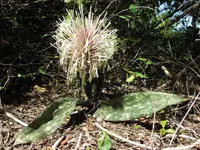
Star sansevieria, Dracaena pethera, is a compact succulent plant known for its stiff, triangular leaves arranged in a star-like rosette. The leaves are usually mottled green with pale bands and can develop reddish or brownish edges in strong light. Native to dry regions of East Africa, it is adapted to intense sun and long dry periods. This background makes it a resilient houseplant that tolerates missed waterings and lower indoor light. It grows slowly and stays relatively low, which suits small spaces and container displays. For those learning how to care for star sansevieria, its preference for bright light, sparse watering, and sharply draining soil makes it straightforward to keep healthy indoors.

Main Plant Requirements

Care Difficulty

Easy Care

Light Preference

Bright Indirect Light

Water Requirements

Low Water

Temperature Preference

Tropical / Frost Sensitive

Hardiness Zone

10–12

Soil Texture

Sandy, Loamy, Organic-rich

Soil pH

Acidic (5.5–6.5), Slightly acidic (6.5–7.0)

Soil Drainage

Well-drained

Fertilization

Light (every 4–6 weeks)

Get Personalized Care Plan

Scan your plant to receive care tips personalized for your specific plant

Available on iOS and Android

How to Care for the star sansevieria

Dracaena pethera prefers bright, indirect light and tolerates some direct sun if introduced gradually.

  • Provide 4–6 hours of bright, filtered light daily; light morning sun is ideal, while strong afternoon sun should be softened with a sheer curtain or light shade outdoors.
  • Tolerates partial shade but growth slows and leaf patterns fade in very low light, especially for star sansevieria grown indoors or on shaded patios.
  • Watch for pale, stretched leaves as a sign of insufficient light and brown, crispy patches as a sign of sunburn from excessive direct sun, especially in summer.

Water needs for Dracaena pethera are low to moderate and depend on season, potting mix, and light level.

  • Allow the top 3–5 cm (1–2 in) of soil to dry before watering; in warm, bright conditions this may mean watering every 10–20 days, less often in low light.
  • Use a fast-draining mix and a pot or bed with excellent drainage to prevent water from sitting around the roots, which increases risk of rot.
  • Overwatering shows as soft, yellowing, or mushy leaves and a sour smell from the soil; underwatering shows as wrinkling and folding leaves but firm roots.

This species prefers warm, stable conditions and is sensitive to frost and prolonged cold.

  • Ideal growth occurs around 65–85°F (18–29°C); maintain the soil on the drier side when temperatures are at the lower end of this range.
  • Protect from cold below 50°F (10°C); brief dips to 45°F (7°C) may be tolerated if the soil is dry, but repeated exposure slows growth and can scar leaves.
  • In hot spells above 95°F (35°C), increase shade and airflow, avoid dark containers in full sun, and water early in the day so roots cool without staying saturated overnight.

This species handles typical indoor humidity well and rarely needs special adjustment.

  • Performs reliably in 30–50% humidity, similar to most heated and air-conditioned homes.
  • Tolerates dry air but extremely arid rooms can cause brown, crispy leaf tips and slower growth.
  • If air is very dry, increase humidity slightly by grouping plants together or placing the star sansevieria pot on a pebble tray with water below the pot base.

Dracaena pethera prefers a fast-draining, mineral-rich mix that mimics dry, rocky soils.

  • Use a gritty mix such as 50–60% cactus potting mix blended with coarse perlite, pumice, or horticultural sand to improve drainage and aeration.
  • Aim for slightly acidic to neutral pH around 6.0–7.0, which supports balanced nutrient availability without stressing the roots.
  • Incorporate only a small amount of organic matter, such as fine bark or compost, since heavy peat-based mixes retain too much water.
  • Avoid dense, clayey, or compacted substrates that stay wet for longer than 2–3 days, as this greatly increases the risk of root rot.

This species is very suitable for container growing due to its compact, architectural rosette habit.

  • Choose a pot only 2–4 in wider than the root mass so the mix dries evenly rather than staying wet around empty space.
  • Select a heavy ceramic or clay container if the plant becomes tall and top-heavy, to reduce tipping risk.
  • Ensure large, unobstructed drainage holes and keep any decorative cover pot separate so excess water can drain away immediately.

Dracaena pethera grows well with modest feeding when actively growing.

  • Use a balanced liquid fertilizer (around 10-10-10 or 20-20-20) diluted to 25–50% strength for star sansevieria indoor care.
  • Feed every 4–6 weeks in spring and summer only, after watering to avoid root burn.
  • Skip fertilizing in late fall and winter when growth slows in normal indoor light.
  • Organic options like light compost tea or slow-release pellets can be used sparingly in the growing season.

Dracaena pethera benefits from light, corrective pruning rather than heavy cutting.

  • Carry out minor pruning in spring or early summer, when recovery is quickest.
  • Remove dead, damaged, or shriveled leaves at the base using clean, sharp scissors or pruning snips.
  • Trim only clearly blemished leaf tips, cutting just above healthy tissue to preserve leaf area.
  • Limit pruning to shaping and tidying; this species is valued mainly for foliage, not flowers.

This species prefers slightly tight roots and does not need frequent repotting.

  • Repot every 3–4 years, or when roots circle the pot, emerge from drainage holes, or growth slows despite good care.
  • Plan repotting for late spring to early summer, when the plant resumes active growth.
  • Choose a pot only 2–5 cm wider, using a gritty, fast-draining mix to limit waterlogging and root rot risk.
  • Gently loosen the root ball, remove dead roots, water lightly after repotting, and keep in bright, indirect light for 1–2 weeks to reduce stress.

Dracaena pethera is most commonly propagated by division or leaf cuttings under warm, bright conditions.

  • Divide offsets from the parent clump in late spring or early summer, keeping several roots attached to each division.
  • Use healthy, mature leaves or leaf sections as cuttings, and allow cut edges to callus for 1–2 days before planting.
  • Place cuttings or divisions in a sterile, very well-draining mix, kept slightly moist, not wet, at 70–80°F.
  • Provide bright, indirect light and high airflow; avoid direct sun and heavy watering until new roots and growth appear.

Dracaena pethera is frost tender and needs indoor or warm conditions in winter in most climates.

  • Keep temperatures above 55°F; growth is best at 65–75°F indoors.
  • Move container plants indoors before the first frost and place in bright, indirect light.
  • Water sparingly in winter, allowing the mix to dry almost completely between waterings to prevent root rot.
  • Avoid cold drafts, unheated windowsills, and sudden temperature swings that stress foliage.

Care Tips

Rotate For Symmetry

Turn the pot 90° every 2–3 weeks so each leaf rosette gets equal light, which keeps the plant compact and prevents leaning or twisting toward one direction.

Use Heavy Containers

Plant in a stable, heavier pot such as ceramic or clay to counterbalance the top-heavy rosettes and reduce the risk of tipping, especially on shelves or narrow stands.

Crowd Control Division

When the pot becomes congested with multiple rosettes, divide and repot only the strongest, healthiest offsets to maintain good airflow and reduce rot risk in the crown area.

Targeted Dust Removal

Wipe the thick leaves with a barely damp microfiber cloth every 1–2 months to remove dust, which improves photosynthesis and allows earlier detection of scale or mealybugs.

Dry Quarantine Routine

Quarantine any new succulent or sansevieria-type plant for 2–3 weeks and keep the soil on the dry side, which makes it easier to spot pests early and protects existing plants while growing star sansevieria in a collection.

Common Pests and Diseases

Spider mites

This pest commonly appears on star sansevieria grown in dry indoor air and on stressed plants with low air movement. Symptoms include fine webbing between leaves, tiny moving dots, and dull, stippled, or rough-looking leaf surfaces.

Solution

Rinse foliage thoroughly under a strong, lukewarm water stream, including leaf bases, then let the plant dry with good air circulation. If mites persist, treat both leaf surfaces with insecticidal soap or a ready-to-use horticultural oil every 7–10 days for 3–4 cycles, and increase humidity slightly while keeping the plant in bright, indirect light.

Mealybugs

These insects often hide in the tight leaf rosettes and at the base of thick leaves, where they appear as white, cottony clusters. Symptoms include sticky honeydew, sooty mold growth, and slowed or distorted new growth.

Solution

Remove visible clusters with a cotton swab dipped in isopropyl alcohol, then rinse the plant to dislodge remaining insects from crevices. For heavier infestations, apply insecticidal soap or a systemic insect control labeled for indoor succulents, repeating at 10–14 day intervals until no new mealybugs appear.

Scale insects

These insects attach firmly to the rigid leaves and leaf bases as small, brown or tan bumps that do not brush off easily. Symptoms include yellowing patches, reduced vigor, and sticky honeydew that can attract black sooty mold.

Solution

Gently scrape off or wipe individual scales with a soft cloth or cotton swab dipped in isopropyl alcohol, then wash the plant with lukewarm water. For recurring problems, use an insecticidal soap or horticultural oil, ensuring thorough coverage of leaf undersides and bases, and isolate the plant from others during treatment.

Southern blight

This disease, caused by soil-borne fungi, affects star sansevieria grown in heavy, poorly drained mixes, especially in warm conditions. Symptoms include sudden leaf collapse at the soil line, tan lesions at the base, and white fungal growth with small, mustard-colored sclerotia on the soil surface or lower stem.

Solution

Remove and discard the entire plant and all surrounding soil, then disinfect the pot before reuse to prevent spreading the pathogen. Future Dracaena pethera plant care should include using a fast-draining succulent mix, watering only when the mix is dry, and avoiding reuse of contaminated soil or contact with garden soil where southern blight is known to occur.

Leaf spot

This disease develops as irregular tan, brown, or dark spots on the stiff leaves, often starting on older foliage that stays wet for long periods. Symptoms include spots with yellow halos and, in severe cases, coalescing lesions that cause partial leaf dieback.

Solution

Prune and discard affected leaves or leaf sections with clean tools, and improve airflow by spacing plants and avoiding overhead watering. Keep foliage dry, water at the base, and if the problem continues, apply a copper-based fungicide labeled for ornamental foliage plants according to label directions.

Interesting Facts

Rosette spiral architecture

The leaves of this species emerge in a tight radial rosette and often twist slightly, creating a star-like spiral pattern that maximizes light capture while minimizing self-shading in bright, arid habitats.

CAM-like water strategy

Like many succulent relatives in the former Sansevieria group, it shows crassulacean acid metabolism (CAM)-like behavior, opening stomata mainly at night to reduce water loss in its dry native environment.

Thick cuticle defense

Its very thick, waxy leaf cuticle and dense internal water-storage tissue make the leaves unusually resistant to desiccation and sun scorch compared with many other dracaena species.

Botan icon

Did you know?

In its native East African range, this species often grows in exposed, rocky sites where many other broad-leaved plants cannot survive, using its compact star-shaped rosettes to channel scarce rainfall toward the root zone and reduce wind exposure of the leaf surface.

FAQs about star sansevieria

Brown tips or patches usually come from low humidity, fluoride or salts in tap water, or physical damage. Large mushy brown areas indicate rot from excess moisture around the roots or crown. Remove damaged tissue and correct the cause.

Grow Healthy Plants with Botan Care

Keep your plants happy and healthy with plant identification, disease detection, and easy care guidance.

Botan plant care app — identify plants on mobile

Explore More Plants