Selenicereus validus Care

Selenicereus validus

About Selenicereus validus

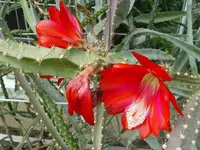
Selenicereus validus is a climbing cactus with long, slender, segmented stems that often scramble over rocks or other plants. It produces large, showy, night-blooming flowers typical of many epiphytic cacti.

This species is native to parts of South America, where it grows in warm, relatively dry habitats, often as an epiphyte on trees or among rocky outcrops. Its drought tolerance and modest nutrient needs can make it manageable in cultivation if key conditions are met.

Light, airy soil, bright indirect light, and careful watering are the main points to watch when you care for Selenicereus validus.

Main Plant Requirements

Care Difficulty

Moderate Care

Light Preference

Partial Sun

Water Requirements

Low Water

Temperature Preference

Tropical / Frost Sensitive

Hardiness Zone

11–12

Soil Texture

Sandy, Loamy, Rocky

Soil pH

Slightly acidic (6.5–7.0), Neutral (7.0)

Soil Drainage

Well-drained

Fertilization

Light (every 4–6 weeks)

Get Personalized Care Plan

Scan your plant to receive care tips personalized for your specific plant

Available on iOS and Android

How to Care for the Selenicereus validus

This climbing cactus prefers bright, indirect light that mimics open woodland or rocky habitat edges.

  • Provide 4–6 hours of bright, filtered light daily; light morning sun is preferred, while hot afternoon sun should be softened with shade cloth or dappled shade.
  • Tolerates light partial shade, but very low light leads to weak, etiolated stems and poor flowering in Selenicereus validus.
  • In summer, protect from intense reflected heat; in winter, move closer to bright windows or brighter outdoor exposure to compensate for shorter days.

Watering should mimic an epiphytic cactus in a climate with distinct dry pauses between rains.

  • Allow the top 3–5 cm of soil to dry before watering, then soak thoroughly so excess drains away, avoiding any standing water around the roots.
  • During active growth in spring and summer, drying intervals shorten; in fall and winter, extend gaps between waterings as growth slows and evaporation drops.
  • Yellowing, soft stems signal overwatering and possible root rot, while thin, shriveling stems and very light pots indicate underwatering in Selenicereus validus.

This species thrives in warm, frost-free conditions typical of subtropical to tropical climates.

  • Aim for 65–85°F (18–29°C) for steady growth, with slightly cooler nights improving overall vigor and flowering response.
  • Protect from temperatures below 50°F (10°C); brief dips to 40–45°F (4–7°C) may be survived but can stress tissue and slow recovery.
  • Tolerates short heat spikes up to about 95°F (35°C) if shaded and well ventilated, but prolonged extreme heat or hot, dry winds can scorch stems and buds.

This cactus handles typical indoor humidity well and rarely needs special humidity management.

  • Aim for 30–50% humidity, similar to most heated or air-conditioned homes.
  • Tolerates dry air but prolonged levels below 25% can cause shriveling stems and brown, dry rib edges.
  • Increase humidity slightly in very dry homes with a nearby water tray or grouping plants, without wetting the stems constantly.

Provide a sharply draining, airy mix that mimics rocky, organic-poor desert soil.

  • Use a cactus mix amended with extra coarse material, such as 30–50% pumice, perlite, or coarse sand for fast drainage.
  • Aim for a gritty, open texture where water runs through in seconds and the mix dries within a few days.
  • Keep pH around 6.0–7.5, avoiding strongly acidic or alkaline substrates that can limit nutrient uptake.
  • Avoid dense peat, unamended compost, or heavy garden soil that compacts, holds water, and restricts root aeration.

This species is well suited to container growing, especially for controlling its long, vining stems.

  • Choose a wide, heavy pot that resists tipping as the stems lengthen and shift the center of gravity.
  • Select unglazed clay if moisture dries slowly in your environment, as it increases evaporation from the mix.
  • Use a container only slightly larger than the root ball to limit water retention and reduce the risk of prolonged saturation.

Light feeding supports steady growth in Selenicereus validus without forcing soft, weak tissue.

  • Use a balanced liquid cactus fertilizer (around 10-10-10) at 1/4–1/2 strength during active growth in spring–summer.
  • Apply every 4–6 weeks when nights stay above 60°F and the plant is producing new stems.
  • Skip feeding in late fall and winter when growth slows or stops to avoid root burn.
  • Avoid heavy compost or rich slow-release pellets that keep soil wet; prioritize fast-draining media.

Thoughtful pruning helps Selenicereus validus stay manageable and encourages healthy new growth.

  • Carry out pruning in late winter or early spring before strong new growth begins.
  • Remove dead, shriveled, storm-damaged, or diseased stems first, cutting back to healthy tissue.
  • Thin overly crowded or tangled stems to improve airflow and light penetration, refining the plant’s shape.
  • Use clean, sharp pruning shears or a knife, and let cut surfaces dry and callus to reduce infection risk.

Container-grown plants benefit from occasional repotting to maintain root health and strong growth.

  • Check for roots circling the pot, pushing through drainage holes, or noticeably slowed growth as signs Selenicereus validus needs more space.
  • Plan to repot every 2–3 years in late winter or early spring, just before the main growth period.
  • Choose a pot only 2–5 cm wider, with excellent drainage, and use a gritty cactus mix to limit waterlogging.
  • Minimize root disturbance, water lightly after repotting, and keep in bright, indirect light for 1–2 weeks to reduce stress.

Stem cuttings are the most reliable way to increase Selenicereus validus.

  • Take 10–20 cm healthy stem segments in late spring or early summer using a clean, sharp knife.
  • Allow cut pieces to dry and callus for 3–7 days in a shaded, airy place before planting.
  • Insert cuttings slightly into a dry, gritty cactus mix and keep in bright, indirect light.
  • Mist or lightly water only when the mix is almost dry; maintain warmth around 70–80°F to encourage rooting.

Cool, dry winter conditions help this cactus rest and prepare for next season’s growth.

  • Selenicereus validus is frost sensitive and should be kept above 40–45°F, ideally around 50–60°F in winter.
  • Move container plants indoors or into a greenhouse before the first frost threat.
  • Provide the brightest possible light indoors and reduce watering so the mix dries almost completely between waterings.
  • In mild climates, outdoor plants benefit from a light, dry mulch around the root zone to buffer temperature swings.

Care Tips

Provide Climbing Support

Install a sturdy trellis, wire grid, or moss-free pole early, then loosely tie young stems with soft ties so the cactus can anchor and form thicker, more stable growth over time.

Nighttime Flower Boost

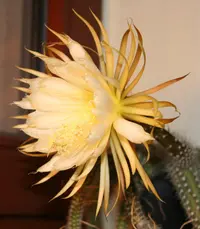
If the plant is mature, extend its access to cooler, moving air and keep it slightly drier in late spring evenings, which can help trigger bud formation on older, well-lit stems.

Segment Propagation Timing

Take 15–25 cm stem cuttings only from firm, well-ripened segments in late spring, allow the cut end to callus for 5–7 days, then root in a small pot to reduce rot risk and encourage fast establishment.

Root Zone Monitoring

Use a narrow wooden skewer or chopstick inserted into the root zone to check moisture at depth before watering, which is especially useful for this long-stemmed cactus in tall or hanging containers.

Container Weight Management

For heavy hanging baskets or tall pots, use a lightweight, mineral-rich mix and a plastic or resin container, and secure hooks or brackets into studs or masonry to safely support the mature plant’s trailing mass when growing Selenicereus validus.

Common Pests and Diseases

Mealybugs

This pest feeds on stems and areoles, forming white cottony clusters along the ribbed shoots. Symptoms include stunted growth, yellowing segments, and sticky honeydew on nearby surfaces.

Solution

Isolate the plant, then dab visible insects with cotton swabs dipped in 70% isopropyl alcohol and repeat weekly until clear. Improve light and airflow, rinse stems with a gentle shower, and use a systemic insecticide labeled for cacti if infestations persist as part of Selenicereus validus care instructions.

Red spider mites

These insects thrive in warm, dry conditions and attack the thin, ribbed stems, causing a dull, grayish appearance and fine webbing. Symptoms include tiny yellow speckles and overall loss of vigor.

Solution

Increase humidity around the plant, then rinse stems thoroughly under a strong but gentle stream of water to remove mites and webs. Follow with 2–3 applications of insecticidal soap or horticultural oil at 7–10 day intervals, ensuring full coverage of all stem surfaces.

Scale insects

This pest appears as small, brown or tan bumps along stems and at nodes where the elongated shoots branch. Symptoms include yellowing, slow growth, and sticky honeydew that can support sooty mold.

Solution

Scrape or rub off individual scales with a soft cloth or toothbrush, then treat the plant with horticultural oil, paying attention to crevices and branch points. Repeat treatments every 10–14 days and prune heavily infested stem sections if necessary.

Fungal stem spot

This disease affects elongated, pendulous stems, leading to small sunken brown spots that can expand into corky or soft lesions. Symptoms include localized stem collapse if infection spreads around the stem circumference.

Solution

Cut out affected stem segments several cm beyond visible damage using a sterile knife and discard them, then allow cuts to dry and callus in bright, dry conditions. Improve drainage and air circulation, avoid wetting stems during watering, and apply a sulfur or copper-based fungicide if new spots continue to appear.

Bacterial soft rot

This disease causes water-soaked, mushy areas on stems that may ooze and develop a foul odor, often starting at injury sites or overwatered segments. Symptoms include rapid collapse of affected portions of the cactus.

Solution

Immediately remove and discard all soft, discolored tissue, cutting back into firm, healthy stem and sterilizing tools between cuts. Allow remaining healthy cut surfaces to dry completely in warm, airy, bright shade, reduce watering, and do not replant affected cuttings until all tissue is firm and rot-free for several days.

Interesting Facts

Nocturnal flower opening

The flowers of this species open only at night, a strategy linked to pollination by nocturnal animals such as moths or bats, and they usually fade by the following morning.

Climbing, scrambling cactus

This cactus naturally grows as a tall, scrambling climber that uses other vegetation or supports to reach light, producing long, often angular stems rather than the compact shapes many people associate with cacti.

Epiphytic growth habit

In nature it often grows epiphytically, anchored on trees or rocks rather than in deep soil, which influences its preference for very well-drained, airy substrates in cultivation and informs many Selenicereus validus care instructions.

FAQs about Selenicereus validus

Lack of flowers usually comes from insufficient light, not enough nighttime temperature drop, or a plant that is still immature. A short dry rest period and slightly cooler, darker nights often trigger bud formation on healthy stems.

Grow Healthy Plants with Botan Care

Keep your plants happy and healthy with plant identification, disease detection, and easy care guidance.

Botan plant care app — identify plants on mobile

Explore More Plants