Winter exposure management
In cold climates, keep outdoor plants in raised, sharply drained beds and avoid insulating snow removal so the stems stay cold and dry rather than cold and wet, which greatly improves winter survival.

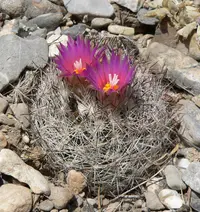
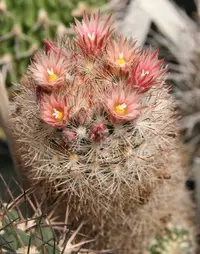
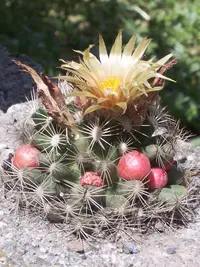
Spinystar (Escobaria vivipara) is a small, clumping cactus native to dry, rocky habitats in North America, from the Great Plains into parts of Canada. It usually forms rounded stems covered with tight clusters of white to brown spines that can create a dense, bristly cushion over time.
In spring to early summer, it produces relatively large, bright pink to magenta flowers that stand out against its compact body. The plant’s slow growth, drought tolerance, and minimal nutrient needs make it suitable for patient beginners.
It favors strong light, very well-draining, gritty soil, and careful watering that allows the roots to dry between soakings. Understanding how to care for spinystar mainly involves avoiding excess moisture and poor drainage.

Care Difficulty
Easy Care

Light Preference
Full Sun

Water Requirements
Low Water

Temperature Preference
Cold Hardy

Hardiness Zone
3–8

Soil Texture
Sandy, Loamy, Rocky

Soil pH
Slightly acidic (6.5–7.0), Neutral (7.0)

Soil Drainage
Well-drained

Fertilization
Minimal (feed rarely)
Scan your plant to receive care tips personalized for your specific plant
Available on iOS and Android
This cold-hardy cactus prefers strong, direct light similar to open prairie or rocky slope conditions.
This species is highly drought-tolerant and must dry thoroughly between waterings to avoid rot.
This hardy cactus tolerates a wide temperature range but needs specific conditions for best growth and winter survival.
This desert cactus prefers very dry air and does not need added humidity.
This species needs a very fast-draining, mineral-based substrate that mimics rocky desert soil.
This cactus is well suited to container growing outdoors in sunny, dry locations.
Escobaria vivipara is adapted to poor, rocky soils and needs only light feeding in cultivation.
Escobaria vivipara needs minimal pruning, mainly to maintain health and remove damaged tissue.
This species is often grown in rock gardens, but container plants may need infrequent repotting or transplanting.
Escobaria vivipara is commonly propagated by offsets and by seed in cultivation.
Escobaria vivipara is quite cold hardy but benefits from dry, well-drained conditions in winter.

Plant Health Check
Not sure what's wrong with your plant? Check your plant's health inside the app.
This cactus survives winter temperatures well below freezing and naturally occurs in regions that experience heavy snow cover, which acts as an insulating blanket over the stems.
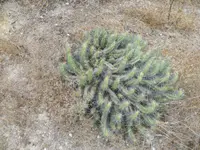
It spreads by producing numerous basal offsets that form tight cushion-like clumps, a growth pattern that helps stabilize plants in rocky soils and increases survival in harsh habitats.
The bright pink to magenta flowers open in late spring and attract native bees and other pollinators, providing an important nectar and pollen source in open, dry habitats.

Some northern populations of this species enter a marked winter shrinkage phase in which the stems contract and partially retract into the soil, reducing exposure to desiccating cold and wind at the snow surface.
Lack of flowers usually comes from insufficient light, overly rich soil, or too much water and fertilizer. This species needs strong sun, a cool dry rest in winter, and lean, very free‑draining substrate to set buds.
Keep your plants happy and healthy with plant identification, disease detection, and easy care guidance.